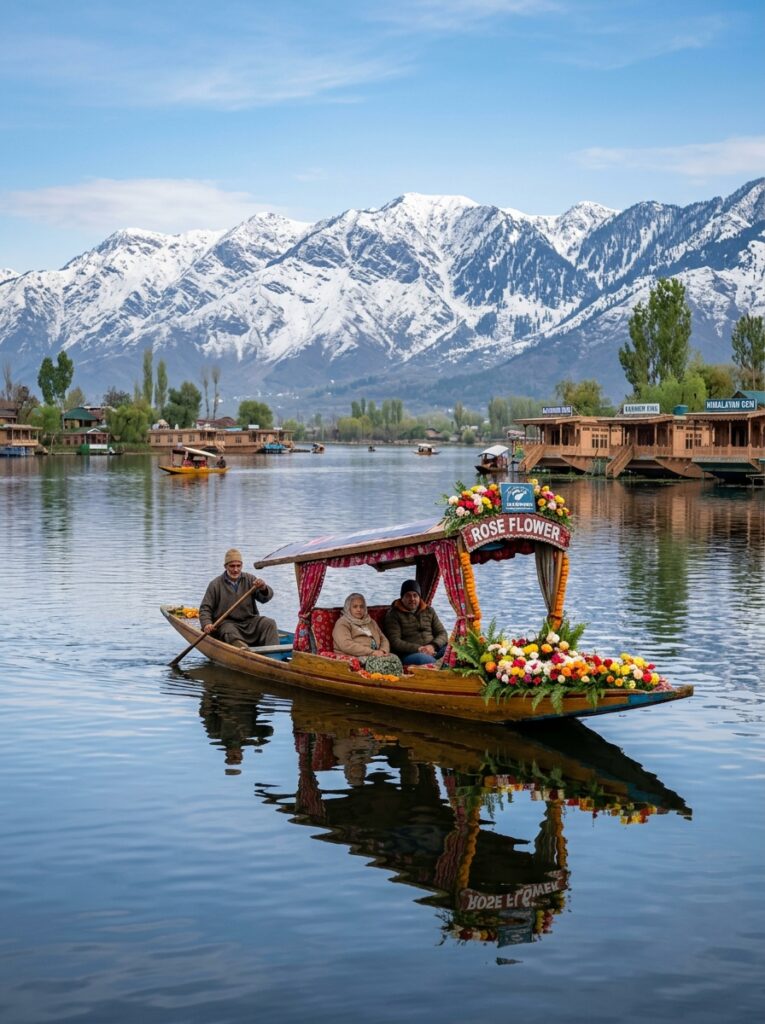

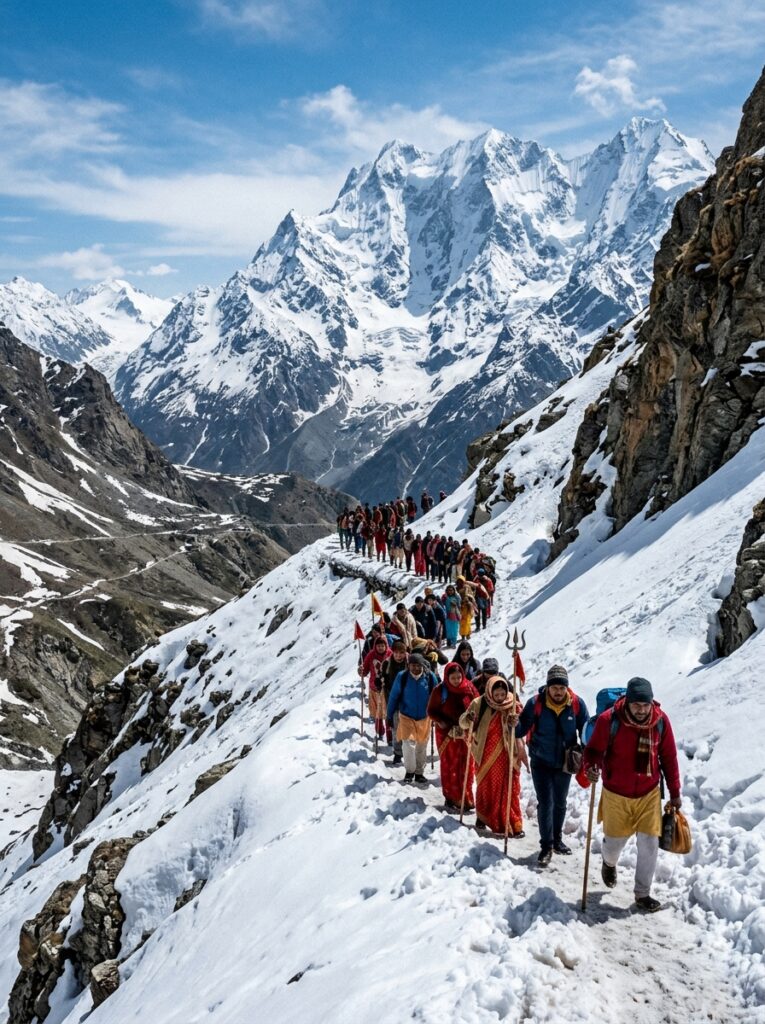
Amarnath Yatra 2026: Registration, Route Information & Preparation Tips
Every year, between the months of July and August, lakhs of devotees from around the world embark on one of the most sacred and physically demanding pilgrimages in Hinduism: the Amarnath Yatra. Situated at an altitude of 3,888 meters (12,756 feet) in a narrow gorge in the union territory of Jammu and Kashmir, the holy Amarnath Cave houses a natural ice stalagmite, revered as the Ice Lingam of Lord Shiva. The ice lingam waxes and wanes with the phases of the moon. Witnessing this divine form of Baba Barfani is a lifetime dream for many, but the journey to the cave is not a walk in the park. It requires traversing rugged terrain, facing unpredictable weather, and dealing with extreme high-altitude conditions. Whether you are planning to trek the traditional path or take a helicopter, this ultimate Amarnath Yatra guide covers registration, routes, helicopter bookings, physical fitness, and packing tips to ensure your pilgrimage is smooth and spiritually fulfilling. — Amarnath Yatra Overview Here is a quick snapshot of the key facts about the Yatra: Feature Details Location Anantnag District, Jammu & Kashmir (3,888 meters altitude) Primary Deity Lord Shiva (Baba Barfani / Ice Lingam) Duration Typically 45 to 60 days (Starting late June/early July to Shravan Purnima in August) Starting Points Pahalgam (Traditional Route) or Baltal (Short Route) Age Limits 13 years to 70 years (No children under 13, no adults over 70, no pregnant women beyond 6 weeks) Key Requirements Compulsory Health Certificate (CHC) and Yatra Permit — Step 1: Compulsory Health Certificate & Registration Process Due to the extreme altitude and thin air, the Shri Amarnathji Shrine Board (SASB) mandates that every pilgrim obtain a Compulsory Health Certificate (CHC) before registering for the Yatra. How to Get the Compulsory Health Certificate (CHC) 1. Authorized Doctors: Download the official CHC form from the SASB website. You can only get it signed by doctors or hospitals authorized by your state government for the Amarnath Yatra. 2. Medical Checks: The doctor will check your blood pressure, ECG, and general fitness to ensure you do not suffer from respiratory diseases, heart conditions, or severe hypertension. 3. Validity: The CHC must be issued after the official date announced by SASB (usually in March or April). Online & Offline Registration Steps Online Registration: Visit the SASB official portal. Upload your photo, the scanned copy of your CHC, and pay the registration fee online. Once approved, you can download your official Yatra Permit (RFID-enabled card). Offline Registration (Bank Branches): You can also register through designated branches of Punjab National Bank (PNB), Jammu & Kashmir Bank, and YES Bank by submitting the CHC, application form, photos, and registration fee. RFID Cards (Mandatory): From recent years, SASB has made RFID tracking cards compulsory. You must collect your RFID card at designated counters in Jammu or Srinagar before starting the trek. No pilgrim is allowed past domestic checkpoints without it. — Step 2: Choosing Your Route (Pahalgam vs. Baltal) There are two distinct routes to reach the Amarnath Cave. Choosing the right one depends on your physical stamina, time availability, and age. “`mermaid graph TD A[Srinagar] –>|90 km| B(Baltal Route) A –>|95 km| C(Pahalgam Route) B –>|14 km steep trek / 1 Day| D[Amarnath Holy Cave] C –>|Drive 16 km| E[Chandanwari] E –>|Trek 12 km steep| F[Sheshnag] F –>|Trek 4.6 km| G[Mahagunas Pass 14,500 ft] G –>|Trek 6.4 km| H[Panchtarni] H –>|Trek 6 km| D “` Route 1: The Pahalgam Route (Traditional & Scenic) This is the traditional route taken by sages and pilgrims for centuries. It starts from Pahalgam (Nunwan Base Camp), which is about 95 km from Srinagar. The Journey: Chandanwari (16 km drive from Pahalgam) ➔ Pissu Top ➔ Sheshnag ➔ Mahagunas Pass (the highest point at 14,500 feet) ➔ Panchtarni ➔ Holy Cave (total trek distance is around 32 km one-way). Time Taken: 3 to 4 days of trekking. Difficulty: Moderate. While the route is longer, the incline is gradual, making it easier for acclimatization. Why Choose It: Beautiful alpine meadows, lake views (Sheshnag Lake), and plenty of time for your body to adjust to high altitudes. Route 2: The Baltal Route (Short & Steep) This route starts from Baltal (near Sonamarg), which is about 90 km from Srinagar. The Journey: Baltal Base Camp ➔ Domel ➔ Barari Marg ➔ Sangam ➔ Holy Cave (total trek distance is 14 km one-way). Time Taken: 1 to 2 days. Fit pilgrims can complete a same-day return journey (28 km total). Difficulty: High. The path is narrow, extremely steep, and prone to sudden rockfalls or mudslides during rains. Why Choose It: If you have limited time or prefer a short, challenging trek. — Step 3: Helicopter Booking & Logistics If trekking is physically impossible or you are short on time, taking a helicopter is a highly convenient option. Helicopter Routes: Baltal Route: Helicopters fly from Neelgrath (Baltal) to Panjtarni. From Panjtarni, it is a 6 km walk/pony ride to the cave. Pahalgam Route: Helicopters fly from Pahalgam to Panjtarni. Booking Rules: Bookings must be made online via the official SASB portal. Tickets sell out within minutes of release, so keeping track of dates is vital. A valid Compulsory Health Certificate (CHC) is still required to board the helicopter. Carry a printout of your helicopter ticket, registration card, and original ID card (Aadhaar or Passport). — Step 4: Physical Preparation & Acclimatization Tips Do not underestimate the physical demands of this trek. Thin air, low oxygen levels, and cold winds can cause Acute Mountain Sickness (AMS). 1. Physical Training (Start 2 months before the Yatra) Cardio: Walk 4–5 km daily. Practice climbing stairs or walking uphill. Breathing Exercises: Practice Pranayama or deep-breathing exercises to improve lung capacity. Strength Training: Do squats and core exercises to prepare your legs for long descents. 2. Packing Essentials Clothing: Heavy woolens, thermals (2 pairs), windproof jacket, waterproof raincoat or poncho (weather changes in minutes), woolen gloves, cap, and extra socks. Footwear: Broken-in trekking shoes with a good grip. Normal sports