
Nepal Honeymoon

Hidden Gems and Quiet Spots in Sarangkot Sunrise: Offbeat Guide

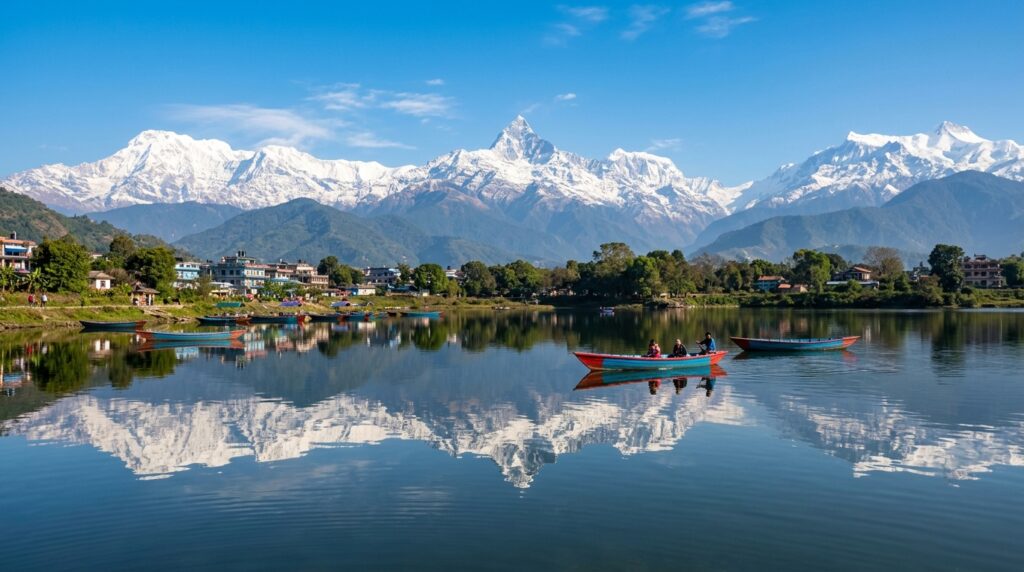
Overview Sarangkot is globally celebrated as Pokhara’s premier vantage point for witnessing the golden dawn illuminate the Annapurna Massif, Fishtail (Machhapuchhre), and Dhaulagiri peaks. However, most commercial itineraries funnel hundreds of tourists to the main Sarangkot View Tower by 5:15 AM, resulting in crowded concrete decks, noisy tour groups, and selfie-stick clutter that breaks the spiritual silence of a Himalayan sunrise. For travelers seeking serenity, discovering the hidden gems in Sarangkot Sunrise transforms an otherwise chaotic morning into an intimate encounter with nature. Beyond the main crowd-frequented observation deck lie tranquil ridge walks, undisturbed village viewpoints, historic fort ruins, and secluded hillside cafes. This comprehensive offbeat guide by Travel Path Holiday (TPH) reveals the finest quiet spots, hidden hiking trails, and practical local advice to help you experience Sarangkot’s famous sunrise away from the crowds, tailored specifically for travelers departing from Central India. Local Logistical Advice for Indore Travelers Planning a seamless trip from Indore to Sarangkot requires understanding air connectivity, climate shifts, mobile connectivity, and local transport logistics. For detailed itinerary planning, travelers can review our master guide on Indore to Nepal Tour Packages. 1. Flight & Transit Coordinates from Indore (IDR) to Pokhara (PKR) Air Route (Recommended & Fastest): Board an early morning flight from Indore’s Devi Ahilya Bai Holkar Airport (IDR) to Indira Gandhi International Airport in Delhi (DEL) via IndiGo or Air India (approx. 1 hour 30 minutes). Connect on an international flight from DEL to Kathmandu’s Tribhuvan International Airport (KTM) (approx. 1 hour 45 minutes). From Kathmandu, take a swift 25-minute domestic flight with Buddha Air or Yeti Airlines to Pokhara International Airport (PKR). Total transit time is roughly 6 to 8 hours including layovers. Overland / Rail Route (Budget Option): Board an overnight train from Indore Junction to Gorakhpur Junction (Uttar Pradesh) on the Indore–Gorakhpur Express. From Gorakhpur, hire a private cab for the 95 km drive to the Sonauli Indo-Nepal Border crossing (approx. 2.5 hours). After completing immigration procedures (Indian nationals require a valid Voter ID card or Passport; no visa is needed), hire a private cab from Sonauli to Pokhara (180 km via Siddhartha Highway, taking 6 to 7 hours through scenic mountain terrain). Getting from Pokhara Lakeside to Sarangkot: Sarangkot is located about 11 km uphill from Pokhara’s tourist hub, Lakeside. A private SUV ride takes approximately 30 minutes. Departure from your Lakeside hotel should be at 4:30 AM in summer and 5:00 AM in winter. 2. Climate & Altitude Transition (Indore to Sarangkot Hill) Temperature Shift: Indore sits on the Malwa Plateau at an altitude of ~550m with a dry tropical climate. Sarangkot rests at an elevation of 1,592m (~5,223 ft) on an exposed mountain ridge. Pre-Dawn Weather Expectations: Even during warm months (April–May) when Indore experiences high temperatures above 38°C, Sarangkot pre-dawn temperatures drop to 12°C–15°C with cool ridge winds. During winter months (November to February), early morning temperatures range between 2°C and 8°C. For month-by-month weather patterns, check our guide on the Best Time to Visit Pokhara & Phewa Lake. Packing Advice for Indori Travelers: Layering is essential. Pack thermal innerwear, a windproof fleece or down jacket, a warm woolen beanie, and light gloves for early morning viewing. As the morning sun rises, temperatures warm up rapidly, allowing you to shed outer layers easily. 3. Prepaid Tourist SIM & Mobile Connectivity on Arrival Important International Roaming Tip: Standard Indian prepaid mobile SIM cards (Jio, Airtel, Vi) will not function under domestic roaming in Nepal. International roaming packs on Indian SIMs can be expensive and offer limited high-speed data. Buying a Local Tourist SIM / eSIM: We strongly advise acquiring a local Nepali tourist SIM card or eSIM immediately upon arrival. You can purchase an Ncell Tourist SIM or Nepal Telecom (NTC) Tourist SIM at: Tribhuvan International Airport (KTM) International Arrival Hall counters. Pokhara International Airport (PKR) arrival terminal exit. Sonauli Indo-Nepal Border immigration counter office. Documents Needed & Cost: Bring your original Indian Passport or Voter ID card plus 1 passport-size color photograph. Tourist SIM packages cost around NPR 300 to NPR 600 (~INR 190–375) and include 10GB to 25GB of 4G/5G data valid for 7 to 14 days. Having reliable local data is vital for live GPS navigation along offbeat Sarangkot hiking trails and staying in touch with your private driver. Complete Details & Practical Guidelines Quiet Sunrise Viewpoints Away from the Sarangkot Main Tower If you want to avoid the noisy crowds at the main Sarangkot View Tower entrance (where hundreds of travelers gather on tiered concrete steps), head to these tranquil alternative spots. (If you prefer staying directly on the ridge in comfort, explore our selection of Luxury Resorts in Sarangkot). #### 1. Methlang Hill (Methlang Ridge) Location & Elevation: Located on a parallel ridge southeast of Sarangkot proper, at an altitude of ~1,400m. Why it’s a Hidden Gem: Methlang offers an unobstructed 270-degree panorama of the Annapurna Range, Machhapuchhre, and the entire Pokhara Valley below, yet receives less than 5% of the tourist traffic that visits Sarangkot main tower. Access: A 20-minute drive from Lakeside Pokhara via a scenic winding road through pine trees, or a gentle 45-minute uphill hike from the Sedi Bagain area. Best For: Photographers, couples, and travelers seeking quiet coffee shops (like Methlang Organic Farm Cafe) offering hot ginger-lemon tea right at sunrise. #### 2. Kaskikot Ancient Fort & Village Ruins (Kaski Durbar) Location: 5 km west of Sarangkot main peak along the top ridge road (altitude ~1,780m). Historical Significance: Kaskikot is the ancestral hill fort of the Shah Kingdom, featuring stone ruins, a hilltop temple, and ancient stone-paved courtyards. The Sunrise Experience: Standing on the stone parapets of Kaski Durbar at dawn provides a breathtaking view of the first light touching the Dhaulagiri, Annapurna I, and Annapurna South peaks. The spot is serene, visited mostly by local villagers bringing morning temple offerings. Access: A 15-minute drive past Sarangkot main village along a narrow asphalt/dirt ridge road. #### 3. Toripari Village & Upper Phewa Rim Ridge Location: Located on

Nepal Honeymoon

Cultural Etiquette and Traditions in Everest View Point Nagarkot

Overview Nagarkot, a serene hilltop village situated at an altitude of 2,175 meters on the northeastern rim of the Kathmandu Valley, is world-famous for offering breathtaking panoramic views of the Eastern Himalayas, including distant peaks of Mount Everest on clear mornings. Beyond its majestic sunrise vistas, Nagarkot is deeply rooted in ancient Newari, Tamang, and Nepalese hill traditions where sacred Hindu shrines, Buddhist chortens, and peaceful village hamlets coexist harmoniously. For travelers visiting from Indore and Central India, understanding and respecting the local cultural etiquette in Everest View Point Nagarkot ensures a warm, authentic, and culturally rich journey. From traditional greetings like *Namaste* and proper temple dress codes to the sacred practice of walking clockwise around Buddhist prayer wheels and following photography guidelines, honoring local customs opens doors to genuine mountain hospitality. Travel Path Holiday brings you this comprehensive cultural etiquette guide tailored specifically for Indori travelers seeking an unforgettable Nepal getaway. Local Logistical Advice for Indore Travelers Planning a seamless trip from Indore to the tranquil ridges of Nagarkot requires clear logistical preparation regarding travel routes, climate adaptation, currency, and local connectivity. Flight Routes from Indore: The fastest and most comfortable way to reach Nepal from Indore is by booking a direct or connecting flight from Indore’s Devi Ahilya Bai Holkar Airport (IDR) to Kathmandu’s Tribhuvan International Airport (KTM). Leading domestic carriers like IndiGo and Air India operate daily connecting flights via Indira Gandhi International Airport (DEL) in New Delhi or Chhatrapati Shivaji Maharaj International Airport (BOM) in Mumbai. A typical connection from IDR to DEL takes approximately 1 hour and 30 minutes, followed by a 1-hour 45-minute international flight into Kathmandu, bringing total transit time to around 5.5 to 7 hours including layover transitions. Overland & Rail Options: For travelers who prefer train or road travel, popular routes include taking an overnight express train from Indore Junction (INDB) to Gorakhpur Junction (GKP) in Uttar Pradesh. From Gorakhpur, private taxis or luxury buses operate to the Sonauli border crossing into Nepal (approx. 100 km / 3 hours). After completing immigration clearance at Sonauli, private tourist vehicles arranged by Travel Path Holiday transfer you directly through Narayangarh and Kathmandu up to Nagarkot. Kathmandu to Nagarkot Hill Drive: Nagarkot is located roughly 32 kilometers east of Kathmandu. The private drive via the historic city of Bhaktapur takes approximately 1.5 to 2 hours along winding pine-forested hill roads. Travel Path Holiday provides experienced mountain drivers operating high-clearance vehicles like Innova Crysta or Mahindra XUV700 for a smooth uphill ascent. Climate Transition & Clothing: Moving from Indore’s tropical dry climate (where summer temperatures range from 35°C to 42°C and winters stay mild between 10°C and 25°C) to Nagarkot’s high-altitude mountain climate requires proper clothing preparation. Nagarkot sits at 2,175 meters above sea level, where early morning temperatures at sunrise viewpoints can plummet to 2°C–5°C during winter months (November to February) and remain crisp at 12°C–16°C during spring and autumn. Indori travelers should pack thermal base layers, fleece jackets, windproof heavy coats, woolen caps, gloves, and sturdy walking shoes for dawn treks to the observation tower. Prepaid SIM Cards & Connectivity: Standard Indian prepaid mobile SIM cards operating on national roaming do not work seamlessly in Nepal. Upon landing at Tribhuvan International Airport (KTM) in Kathmandu, travelers are strongly advised to purchase an official local tourist eSIM or physical SIM card from dedicated Ncell or Nepal Telecom (NTC) counters located immediately outside the customs arrival hall. A 14-day tourist SIM with 10GB to 20GB of high-speed data costs approximately 500 NPR to 1,000 NPR (approx. ₹310 to ₹625 INR). You must present a physical copy of your Indian passport or Voter ID along with a passport-sized photograph. Local SIM cards guarantee reliable GPS navigation and cellular network coverage across the Nagarkot ridge. Currency & Documentation for Indian Citizens: Indian citizens traveling to Nepal do not require a visa; however, you must carry a valid original Indian Passport or an original Voter ID card issued by the Election Commission of India (Aadhaar cards and Driving Licenses are not valid immigration entry documents at KTM airport). The currency in Nepal is the Nepalese Rupee (NPR), pegged at 1 INR = 1.60 NPR. Indian currency notes of ₹100 denomination are widely accepted throughout Nagarkot, while notes of ₹200, ₹500, and ₹2,000 are legally restricted. Currency conversion can easily be done at KTM airport or licensed money exchangers in Thamel and Bhaktapur. Complete Details & Practical Guidelines 1. Traditional Nepalese Greetings & Social Courtesy In Nepal, social interactions are rooted in warmth, modesty, and deep spiritual respect. Understanding the nuances of daily greetings will help you build instant rapport with villagers, hotel staff, and mountain guides in Nagarkot. The Sacred “Namaste” & “Namaskar”: The universal Nepalese greeting is *Namaste* (or *Namaskar* when addressing elders or respected figures). Press both palms together flat at chest height, bow your head slightly, and utter “Namaste” with a gentle smile. This gesture acknowledges the divine presence within the other person. Avoid casual handshakes unless a local resident initiates one. Using Both Hands for Respect (Dhoog): When handing over money, receiving a cup of tea, or accepting a gift, always use your right hand while supporting your right wrist or elbow with your left hand. This classic gesture, known locally as showing *Dhoog* or *Saman*, signifies sincerity and high regard. Polite Terminology: Address local elders courteously using affectionate Nepalese honorifics. Call older men *Dai* (elder brother) or *Baabaa* (father), older women *Didi* (elder sister) or *Ama* (mother), and younger people *Bhai* (younger brother) or *Bahini* (younger sister). In Tamang and Sherpa villages around Nagarkot, using the traditional Buddhist greeting *”Tashi Delek”* (wishing peace and good fortune) is warmly received. Personal Space & Public Displays of Affection: Nepalese culture, especially in rural hill stations like Nagarkot, is conservative. Refrain from intense public displays of affection such as hugging or kissing in public streets, village squares, or near religious monuments. 2. Temple, Shrine & Sacred Site Dress Codes Nagarkot and its surrounding rural hills

Nepal Honeymoon

Photography and Sunset Spots in Chitwan Jungle Safari: Guide

Overview Chitwan National Park, Nepal’s premier UNESCO World Heritage wildlife sanctuary, is a dream destination for wildlife photographers, landscape enthusiasts, and visual storytellers. Nestled in the sub-tropical Terai floodplains, Chitwan offers a vivid tapestry of misty river basins, dense Sal forests, towering elephant grass, and iconic wildlife like the Greater One-Horned Rhinoceros, Royal Bengal Tiger, and endangered Gharial crocodiles. For travelers visiting from Indore, capturing the golden dusk hues across the Rapti River or framing a rhino amidst morning fog requires both creative positioning and practical preparation. This comprehensive guide details the top photography vantage points in Chitwan—including the famous Rapti River sunset banks, wildlife composition strategies on 4×4 open-top jeep safaris, low-angle aquatic framing during canoe rides, equipment care against jungle dust and tropical humidity, and strict regional drone rules. With expert planning from Travel Path Holiday, Indori travelers can experience a seamless photography expedition tailored to Central Indian travel preferences. Local Logistical Advice for Indore Travelers Planning a dedicated wildlife photography trip from Central India to Chitwan National Park involves specific transport schedules, climate adaptations, and connectivity setup. Here is practical advice for travelers departing from Indore: Transit Coordinates: Flying & Overland Options from Indore Optimal Flight Route (Fastest): Book a flight from Indore’s Devi Ahilya Bai Holkar Airport (IDR) to New Delhi (DEL) via IndiGo or Air India (approx. 1 hour 30 minutes). From Delhi, take a connecting flight to Kathmandu’s Tribhuvan International Airport (KTM) (approx. 1 hour 45 minutes). From Kathmandu, take a brief 25-minute domestic flight to Bharatpur Airport (BHR), which serves as the direct air gateway to Chitwan. Travel Path Holiday arranges private AC vehicle transfers (such as an Innova Crysta) from Bharatpur Airport directly to your lodge in Sauraha or Kasara (approx. 30 to 40 minutes). Overland / Hybrid Option: For travelers seeking an extended landscape journey, take a train from Indore Junction to Gorakhpur (such as the Malwa Express or Gorakhpur Express), followed by a private cab to the Sonauli border crossing into Nepal. From the border, a scenic 4 to 5-hour drive along the Mahendra Highway brings you to Sauraha. Climate & Environmental Shift for Central India Travelers Indore travelers are accustomed to Central India’s dry tropical climate, characterized by warm dry summers and low ambient humidity. In contrast, Chitwan is situated in Nepal’s humid sub-tropical Terai belt: Winter (November to February): Crisp mornings with dense, atmospheric mists hovering over the river channels—ideal for dramatic sunrise mist photography, though temperatures can drop to 8°C–10°C. Spring & Summer (March to May): Warm temperatures ranging between 28°C and 38°C with dry, dusty forest trails. High dust levels require specialized camera protection. Monsoon (June to September): High humidity and heavy downpours turn the floodplains lush green, but river levels rise significantly and jungle trails become muddy. Mobile Connectivity & Local SIM Cards on Arrival Standard Indian SIM cards (Airtel, Jio, Vi) switch to expensive international roaming once you enter Nepal. For uninterrupted field communication, downloading camera settings guides, and instant social updates: Tourist SIM/eSIM Purchase: Acquire a local Nepali tourist SIM card (Ncell or Nepal Telecom / NTC) upon arrival at Kathmandu Airport’s arrival terminal or at authorized counters in Sauraha village. Requirements & Cost: Bring your original Passport or Voter ID and two passport-sized photographs. Data packages ranging from 10 GB to 25 GB cost approximately NPR 500 to NPR 1,200 (INR 300 to INR 750) and offer reliable 4G connectivity across Sauraha and park buffer zone areas. Document & Currency Reminders for Indian Citizens Travel Documents: Indian citizens do not require a visa for Nepal but must carry a valid original Passport or Voter ID card for airport immigration and checkpost verification. (Aadhaar cards and driving licenses are not accepted as valid travel documents). Currency Guidelines: Indian Rupee notes of INR 100 denominations are widely accepted in Sauraha and Chitwan lodges. Higher denomination notes (INR 500) are restricted under Nepalese monetary regulations. It is advisable to exchange currency into Nepali Rupees (NPR) at authorized counters in Kathmandu or Sauraha for local purchases. Complete Details & Practical Guidelines 1. Premier Photography & Sunset Vantage Points #### A. Rapti River Beach & Sauraha Riverbank (The Signature Sunset Spot) Location: Southern edge of Sauraha village, running along the northern boundary of Chitwan National Park. The Experience: As the sun descends between 5:15 PM and 6:15 PM (varying by season), the sky over the Rapti River turns vivid shades of amber, crimson, and burnt orange. Local Tharu boatmen paddle dugout canoes across calm water mirrors, while domestic and wild elephants frequently walk along the opposite bank to bathe and drink. Composition Strategy: Position yourself on the sandy bank with a wide-angle lens (16-35mm or 24-70mm) to capture the river expanse and sky reflections. Alternatively, use a telephoto lens (70-200mm) to isolate silhouettes of canoes, tall grass, or elephants against the fiery horizon. Camera Settings: Aperture f/8–f/11 for sharp foreground-to-background depth, ISO 100–400, shutter speed 1/250s to 1/500s. Use spot metering on the bright sky to maintain rich color saturation while creating dramatic foreground silhouettes. #### B. Kasara & Core Jungle Forest Clearings Location: Central section of Chitwan National Park, accessible via open-top jeep safaris from Kasara Headquarters. The Experience: Dense Sal forests open into vast grasslands (*Phragmites* and *Saccharum* elephant grass standing up to 8 feet high). Early morning light (6:30 AM to 8:30 AM) creates magical light beams filtering through morning haze and canopy foliage. Composition Strategy: Use a medium telephoto lens to capture golden light piercing through trees, with grazing Spotted Deer or One-Horned Rhinoceros framed by natural forest archways. #### C. 20,000 Lakes Area (Bis Hazari Tal – Ramsar Site) Location: Northern buffer zone of Chitwan National Park, accessible by bicycle, private cab, or jeep. The Experience: A serene wetland ecosystem featuring interconnected oxbow lakes covered in water lilies, surrounded by ancient hardwood trees. Composition Strategy: Ideal for mirror-like water reflections, waterfowl, basking marsh mugger crocodiles, and tranquil landscape panoramas during early morning hours. #### D. Traditional Tharu Cultural Villages Location: Vernacular

Nepal Honeymoon

Best Honeymoon Resorts in Pokhara Phewa Lake for Couples

Overview Pokhara, Nepal’s serene lake capital, offers an unforgettable romantic escape for newlyweds. Tucked under the magnificent shadows of the snow-crowned Annapurna Range and the sacred peak of Machhapuchhre (Fishtail), Phewa Lake serves as the heart of Pokhara’s romantic charm. For couples seeking privacy, understated luxury, and breathtaking natural backdrops, selecting the right stay among the top honeymoon resorts in Pokhara Phewa Lake sets the tone for a dream vacation. From heritage island hideaways accessible only by private floating barges to cliffside luxury eco-villas with private balcony views of glassy waters, Pokhara’s premier honeymoon properties combine world-class hospitality with mountain tranquility. Whether you dream of waking up to reflections of snowy peaks on your private balcony, enjoying a customized lakeside candlelit dinner under the stars, or indulging in couple’s spa treatments after a day of boat rides to Tal Barahi Temple, Pokhara delivers pure magic. Travel Path Holiday (TPH) specializes in curating bespoke romantic itineraries for couples departing from Central India, ensuring seamless travel coordinates, hand-vetted dining options, and handpicked honeymoon suites. Local Logistical Advice for Indore Travelers Planning a honeymoon from Indore to Pokhara requires smooth transit coordination so you can arrive relaxed and ready to celebrate. Here is everything Indori couples need to know regarding travel routes, climate adjustments, currency, and local connectivity. How to Reach Pokhara from Indore 1. Air Travel Route (Fastest & Most Comfortable): Segment 1: Fly from Indore’s Devi Ahilya Bai Holkar Airport (IDR) to Indira Gandhi International Airport in Delhi (DEL) or Chhatrapati Shivaji Maharaj International Airport in Mumbai (BOM). IndiGo and Air India operate multiple daily non-stop flights from IDR to DEL (approx. 1 hour 30 minutes). Segment 2: Connect to an international flight from Delhi/Mumbai to Kathmandu’s Tribhuvan International Airport (KTM) (flight duration: 1 hour 45 minutes). Segment 3: From Kathmandu, take a brief 25-minute scenic mountain flight to the newly operational Pokhara International Airport (PKR) via Yeti Airlines or Buddha Air. Alternatively, book a private chauffeur-driven AC Innova Crysta via Travel Path Holiday for a scenic 6 to 7-hour overland drive along the Prithvi Highway. 2. Overland & Rail Route (Scenic & Budget-Friendly): Take an overnight train from Indore Junction (IDR) to Gorakhpur Junction (GKP) in Uttar Pradesh (such as the Malwa Express or Ambedkar Nagar–Gorakhpur Express). From Gorakhpur, Travel Path Holiday arranges a private, air-conditioned vehicle to transfer you across the Sonauli Indo-Nepal Border (95 km, ~2.5 hours). Indian passport holders or voters carrying a valid Election Commission Voter ID Card receive hassle-free border clearance. From Sonauli, your dedicated driver takes you through the lush hills of Syangja via the Siddhartha Highway directly to your resort in Pokhara (180 km, ~6 hours). Climate & Dressing Advice: Indore to Pokhara Transition Climate Shift: Departing from Indore’s dry, tropical Malwa plateau weather, you will enter Pokhara’s refreshing sub-tropical alpine lake microclimate (altitude ~822 meters). Day vs. Night Temperatures: Autumn (September to November) and Spring (March to May) offer crystal-clear skies and pleasant daytime temperatures between 18°C and 26°C. However, evenings near Phewa Lake cool down quickly to 8°C–14°C as cool mountain breezes sweep across the water. Packing Essentials: Pack stylish light cotton outfits and sundresses for sunny daytime boat rides and strolls along Baidam Lakeside, along with a warm pashmina shawl, stylish denim or leather jackets, and cozy evening wear for romantic outdoor candlelit dinners. Comfortable walking shoes are a must for exploring resort gardens and lakeside boardwalks. Money Matters & Currency Exchange Currency: The official currency is the Nepalese Rupee (NPR). The exchange rate is pegged at 1 INR = 1.6 NPR. Cash & Cards: While major credit and debit cards are widely accepted across luxury honeymoon resorts and upscale lakeside restaurants, smaller cafes and local handicraft shops prefer local cash. Indian Currency notes of ₹10, ₹20, ₹50, and ₹100 are universally accepted in Pokhara. However, high-denomination notes (₹500 notes) may face restrictions at small establishments, so exchanging your INR to NPR at Kathmandu Airport or authorized currency counters in Pokhara Lakeside is recommended. Prepaid Local SIM & eSIM Guidelines upon Arrival Mobile Connectivity: Standard Indian prepaid SIM cards (Jio, Airtel, Vi) automatically transition to expensive international roaming rates upon crossing into Nepal, often suffering patchy mobile data. Getting a Nepal SIM/eSIM: We strongly advise couples to purchase a local tourist SIM card or activate an eSIM immediately upon arrival at Tribhuvan International Airport (Kathmandu) or Pokhara International Airport. Providers: Ncell and Nepal Telecom (NTC) operate dedicated tourist service counters in the arrivals lounge. Requirements: You will need your original Indian Passport or Voter ID Card along with one passport-sized photograph. Cost & Data: Tourist SIM packages range from NPR 500 to NPR 1,000 (approx. ₹310 to ₹625), offering 10 GB to 25 GB of high-speed 4G data along with local voice credits valid for 7 to 14 days. This ensures uninterrupted connectivity for Google Maps, hotel communication, and instantly sharing your romantic honeymoon photos. Complete Details & Practical Guidelines Top Luxury Honeymoon Resorts in Pokhara Near Phewa Lake To help couples choose the perfect sanctuary, here is a detailed breakdown of the premier honeymoon resorts located around Phewa Lake and the surrounding hills, featuring their romantic USPs, room categories, dining setups, and approximate room tariffs. #### 1. Fishtail Lodge Pokhara Location: Zwick Peninsula, Central Phewa Lake (Lakeside). Vibe & Heritage: Accessible only by a hand-drawn cable float (barge) across a narrow channel of Phewa Lake, Fishtail Lodge offers unprecedented privacy and historic charm. Surrounded by water on three sides and lush green trees, it hosted historic royals and global dignitaries. Honeymoon Highlights: Private garden sit-outs and heritage round-cottage suites facing the lake. Direct, unobstructed views of the mirror-like lake reflecting Mount Machhapuchhre. Custom lakeside candlelit dining under the stars with soft acoustic live Nepalese music. Approximate Tariffs: ₹14,000 to ₹24,000 (NPR 22,400 to NPR 38,400) per night, including breakfast. Best For: Couples seeking classic heritage elegance, total privacy, and direct water-edge solitude. #### 2. The Pavilions Himalayas The Farm Location: Rainaskot / Chisapani Valley (15-minute drive from Phewa

Nepal Honeymoon

Local Food in Muktinath Temple: What and Where to Eat

Overview Visiting the sacred site of Muktinath (known locally as Chumig Gyatsa), situated at an elevation of 3,710 meters (12,172 feet) in Nepal’s Mustang district, is both a spiritual pilgrimage and a unique culinary journey. Nestled in the township of Ranipauwa just below the temple complex, the food culture reflects a rich blend of Thakali heritage, Tibetan high-altitude mountain traditions, and dedicated vegetarian hospitality designed for Hindu and Buddhist pilgrims. Knowing what and where to eat near Muktinath Temple ensures you stay nourished, warm, and energetic in the rare air of Lower Mustang. Key culinary highlights include authentic Mustang Thakali Thali seasoned with wild Himalayan herbs like *jimbu*, deep-fried or pan-baked Tibetan Bread (*balep*), energy-rich Tsampa porridge made from roasted barley flour, steaming vegetable momos, hot Tibetan butter tea (*suja*), and mountain-fresh Marpha apple pies. Crucially for Indian pilgrims, hand-vetted vegetarian options and freshly cooked pure vegetarian dining setups are widely available across Ranipauwa’s lodges and local temple canteens. Local Logistical Advice for Indore Travelers Travel Coordinates & Flight Connections from Indore For travelers departing from Indore, reaching Muktinath involves a seamless transition across air and high-mountain road networks: Flight Route: Board an early morning flight from Devi Ahilya Bai Holkar Airport (IDR), Indore to Indira Gandhi International Airport, New Delhi (DEL) (approx. 1 hour 30 minutes). Connect on an international flight from New Delhi to Tribhuvan International Airport in Kathmandu (KTM) (approx. 1 hour 30 minutes). Kathmandu to Pokhara: From Kathmandu, take a brief 25-minute domestic flight or a 6-to-8-hour scenic highway transfer to Pokhara (PKR), the gateway city for Mustang. Pokhara to Muktinath / Ranipauwa: From Pokhara, you can either take a scenic 20-minute mountain flight to Jomsom Airport (JMO) followed by a 1.5-hour 4WD jeep drive up to Ranipauwa, or opt for a full 4WD Mahindra Scorpio / Toyota Innova overland drive (7 to 8 hours) along the rugged Kali Gandaki River Valley via Beni, Tatopani, and Marpha. Climate Transition & High-Altitude Nutrition Advice Leaving behind Indore’s tropical dry climate (where temperatures often range between 30°C and 40°C), travelers arrive in Mustang’s cold, arid, high-altitude alpine environment. At 3,710 meters, Muktinath experiences sharp seasonal temperature drops—daytime temperatures hover between 5°C and 15°C during peak spring (March–May) and autumn (September–November) seasons, while night temperatures routinely drop below freezing (-5°C to -10°C). Because reduced atmospheric pressure (around 65% of sea-level oxygen) slows down digestive processes, heavy or greasy meals can trigger altitude discomfort or nausea. High-altitude nutritionists and mountain guides strongly recommend eating light, carbohydrate-dense, piping-hot meals. Dishes like Tsampa porridge, warm Thakali Dal, vegetable soups, and hot herbal teas provide quick metabolic calories, maintain bodily warmth, and aid altitude acclimatization while navigating the 108 holy waterspouts (*Mukti Dhara*). Mobile Connectivity & Local Tourist SIM / eSIM Guidelines Standard Indian prepaid SIM cards (Jio, Airtel, Vi) do not work on regular domestic roaming tariffs in Nepal. Even with international roaming packs, mobile network coverage frequently drops in the high-altitude valleys of Lower Mustang. Purchase Upon Arrival: We strongly advise Indore travelers to buy a local Nepalese tourist SIM card or activate a digital eSIM (from Ncell or Nepal Telecom / Namaste) upon arrival at Tribhuvan International Airport in Kathmandu or at designated counters in Pokhara. Requirements: You will need a physical copy of your Indian Passport or Voter ID, along with one passport-sized photograph. Coverage & Data: A 7-day or 14-day data bundle (costing approx. NPR 500 to NPR 1,000 / ₹310 to ₹625 INR) ensures reliable 3G/4G connectivity in Ranipauwa, Jomsom, and around the Muktinath Temple complex, allowing you to stay connected with family back in MP and access online navigation. Complete Details & Practical Guidelines 1. What to Eat: Must-Try Local Delicacies in Muktinath #### Mustang Thakali Thali The Thakali people, native to the Kali Gandaki Valley, are renowned across Nepal as master culinary hosts. A traditional Mustang Thakali Thali served in Ranipauwa is a balanced, nourishing platter comprising: Steaming Grain Base: Organic local white rice or *Dhido* (a traditional cooked mash made from highland buckwheat or millet flour). Jimbu-Tempered Dal: Rich black or yellow lentil soup tempered with *Jimbu*—a fragrant wild Himalayan herb harvested from the high meadows of Mustang that aids digestion. Saag & Fermented Greens: Freshly sauteed wild mountain spinach (*saag*) and *Gundruk* (sun-dried, fermented leafy greens with a tangy flavor profile). Mula ko Achar: House-made sun-dried radish pickle infused with mustard oil, fenugreek, and local spices. Desi Ghee: A generous drizzle of warm clarified butter poured over the grain base to enhance flavor and caloric intake in the cold weather. *Note:* Pure vegetarian Thakali Thalis are prepared using dedicated plant-based ingredients and separate cooking vessels across most pilgrim lodges in Ranipauwa. #### Tibetan Bread (Balep) A comforting breakfast staple across the Trans-Himalayan region. Tibetan Bread is made from hand-kneaded wheat dough, flattened into round disks with decorative center slits, and lightly pan-fried or deep-fried until golden and puffed. Crisp on the outside and soft inside, it is served hot alongside local yak butter, wildflower honey, fruit jam, or a mild vegetable curry. It offers ideal fuel before undertaking the uphill climb to Muktinath Temple. #### Tsampa (Roasted Barley Flour) Tsampa is the ultimate traditional Himalayan superfood. Made from highland barley grains that are roasted and finely ground, it requires no extensive cooking. In Ranipauwa, it is commonly served as *Cham-dur*—a hot, soothing porridge cooked with warm milk or water and sweetened with honey or sugar. Alternatively, it is mixed directly into salted Tibetan butter tea. Tsampa is lightweight on the stomach, rich in dietary fiber, and provides long-lasting stamina against high-altitude chills. #### Steamed Vegetable Momos & Chhurpi Dumplings Piping-hot steamed momos are widely available in Ranipauwa’s teahouses. High-altitude vegetarian fillings include finely minced cabbage, carrots, onions, wild herbs, and grated *Chhurpi* (a hard, smoky local cheese made from yak or chauri milk). They are served alongside a warm tomato-sesame chutney infused with garlic and Sichuan pepper (*timur*). #### Marpha Apple Specialties Located just 25 kilometers down the valley from Muktinath, the

Nepal Honeymoon

Things to Avoid in Kathmandu Durbar Square: Tourist Safety Guidelines

Overview Kathmandu Durbar Square—also known as Hanuman Dhoka Durbar Square—is the historic and spiritual heart of Nepal’s capital. Designated as a UNESCO World Heritage Site, this ancient royal complex boasts intricate Newari brick-and-wood architecture, multi-tiered pagoda temples, carved courtyards, and the revered residence of the Living Goddess (Kumari Ghar). However, navigating this vibrant heritage zone can present challenges for first-time visitors, particularly families and couples traveling from Indore and Central India. From pushy, unauthorized tour guides and photography restrictions inside sacred sanctums to ticketing oversights, monument preservation rules, and currency traps, knowing things to avoid in Kathmandu Durbar Square is essential for a smooth, respectful, and safe cultural experience. This comprehensive guide outlines all safety guidelines, cultural etiquette, financial tips, and practical entry rules so you can explore this centuries-old sanctuary with complete peace of mind. Local Logistical Advice for Indore Travelers Flight and Overland Routes from Indore For travelers departing from Indore’s Devi Ahilya Bai Holkar Airport (IDR), reaching Kathmandu is seamless with structured flight schedules: Air Routes: Take a connecting flight via Indira Gandhi International Airport (DEL) in New Delhi or Chhatrapati Shivaji Maharaj International Airport (BOM) in Mumbai on IndiGo or Air India. Typical flight durations range between 5 and 7 hours, including a comfortable 2-to-3-hour layover at Delhi. Flights land directly at Tribhuvan International Airport (KTM) in Kathmandu. Overland & Rail Options: Alternatively, travelers preferring rail journeys can take train 19037 Avadh Express or 15046 Gorakhpur Express from Indore Junction to Gorakhpur, Uttar Pradesh. From Gorakhpur, private AC cabs transfer you to the Sonauli border crossing into Nepal, followed by a scenic drive up the Tribhuvan Highway to Kathmandu Valley. Climate Transition: Indore to Kathmandu Indore travelers are accustomed to a tropical dry semi-arid climate with warm temperatures and dry weather for most of the year. In contrast, Kathmandu Valley sits at an elevation of approximately 1,400 meters (4,600 feet) with a humid subtropical climate: Autumn & Winter (October to March): Daytime temperatures range from 18°C to 24°C with abundant sunshine, but mornings and evenings drop sharply to 3°C–8°C. Pack warm layers, light fleece jackets, and thermals. Spring & Summer (April to June): Temperatures average 25°C to 30°C. High-altitude UV intensity is strong, requiring SPF 50+ sunblock, wide-brim hats, and UV-filtered sunglasses. Monsoon (July to September): Frequent downpours occur. Centuries-old red-brick pavings and stone courtyards become extremely slick, making anti-skid rubber-soled footwear mandatory. Tourist SIM & Mobile Connectivity Guidelines Standard Indian prepaid SIM cards (Airtel, Jio, Vi) will immediately lose domestic signal upon entering Nepalese territory unless expensive international roaming packs are activated prior to departure. Tourist SIM/eSIM Purchase: It is strongly recommended to acquire a local Nepalese tourist SIM card or eSIM upon arrival at the Tribhuvan International Airport (KTM) arrivals hall or at authorized mobile outlets near Thamel. Service Providers: Nepal Telecom (NTC) and Ncell offer excellent 4G coverage across Kathmandu Durbar Square and Thamel. Required Documentation: Bring 1 photocopy of your Indian Passport or Voter ID card, 1 physical passport-size photograph, and cash in Nepalese currency (approx. NPR 100 to NPR 500 for data packs ranging from 5GB to 20GB). Having active local data ensures uninterrupted access to Google Maps, local travel apps, and 24/7 coordination with your travel team. Complete Details & Practical Guidelines 1. Avoid Unofficial Guides, Pushy Touts, and Photo Traps Unlicensed Guides: Upon entering Basantapur Plaza or the Hanuman Dhoka gate, you will likely be approached by self-proclaimed “guides” offering unofficial tours. Many of these individuals lack official accreditation from the Nepal Tourism Board (NTB) and often provide inaccurate historical facts or demand exorbitant fees (NPR 1,500–2,500) at the end of the walk. Always check for an official government-issued photo ID badge, or book your guided walk beforehand through Travel Path Holiday. Fake Sadhus & Photography Traps: Holy men (Sadhus) painted in bright ash, vermilion, and yellow robes frequent the steps of Shiva-Parvati Temple and Maju Dega. If you snap a photo of them—or allow them to pose with you—they will aggressively demand NPR 500 to NPR 1,000 per photograph. If you do not wish to pay, avoid pointing your camera directly at them and offer a polite but firm “Nai, Dhanyabad” (No, thank you) before walking away. Persistent Street Vendors: Avoid engaging with persistent street hawkers selling wooden carved masks, prayer wheels, incense, or rudraksha beads directly in front of temple steps. Items sold in the square are often priced at 3 to 4 times their actual market value compared to verified handicraft shops in nearby Thamel or Patan. 2. Avoid Entry Ticket Checkpoint Errors and SAARC Rate Misunderstandings Official SAARC Entry Rates: Indian citizens qualify for special SAARC nation tourist pricing. The entry fee for SAARC nationals is NPR 300 per person (compared to NPR 1,000 for non-SAARC international visitors). Children under 10 enter free. You must present a valid Indian Passport or Voter ID at the ticket window to claim the SAARC rate. Official Ticket Counters: Purchase tickets only at designated Kathmandu Metropolitan City site offices located at Basantapur Gate, New Road Entrance, and Makhan Tole Entrance. Avoid buying tickets from individuals offering “discounted passes” near alleyways. Ticket Retention Requirements: Tourist police and site marshals perform random ticket inspections throughout Hanuman Dhoka Palace, Taleju Chowk, and surrounding plazas. Keep your physical ticket receipt safe and accessible in your wallet at all times. Losing your ticket requires purchasing a full replacement pass. Multiday Pass Validation: If your hotel is located in Thamel or Freak Street and you plan to cross the square multiple times during your stay in Kathmandu, visit the Hanuman Dhoka Site Office with your original NPR 300 ticket and 1 passport photograph. They will issue a multi-day pass stamp free of charge, saving you from re-purchasing tickets daily. 3. Avoid Photography Violations in Sacred and Restricted Courtyards Kumari Ghar (Kumari Chowk): The inner courtyard of the Living Goddess is a deeply revered sanctuary. Photography and videography are strictly forbidden inside the courtyard whenever the Royal Kumari appears at her carved third-floor wooden window.

Nepal Honeymoon

Luxury Resorts in Sarangkot Sunrise: Premium Stays & Villas

Overview Perched at an altitude of 1,600 meters directly above Pokhara and the serene waters of Phewa Lake, Sarangkot is Nepal’s most famous viewpoint for witnessing mountain sunrises over the Annapurna Massif. Watching the golden morning light touch the icy peaks of Machhapuchhre (Fishtail, 6,993m), Annapurna I (8,091m), and Dhaulagiri (8,167m) directly from your luxury private balcony or heated infinity pool is an unforgettable experience. Selecting high-end luxury resorts in Sarangkot Sunrise allows travelers to skip the early 4:00 AM wake-up call and hectic uphill morning drive from Pokhara’s Lakeside, offering front-row Himalayan views paired with modern climate control, private villas, floor-to-ceiling glass suites, and upscale dining. This comprehensive guide covers top luxury stays, room heating facilities, infinity pool availability, seasonal tariff structures, mobile SIM connectivity upon arrival, and seamless travel logistics designed specifically for travelers departing from Central India and Indore. Local Logistical Advice for Indore Travelers Planning a high-end trip from the Malwa plateau of Indore to the alpine ridge of Sarangkot requires well-structured travel coordinates: Flight Routes & Layover Schedules: Departure: Fly out from Indore’s Devi Ahilya Bai Holkar Airport (IDR) on an early morning domestic flight (IndiGo or Air India) to Indira Gandhi International Airport, Delhi (DEL) (approx. 1 hour 30 minutes). International Transit: Catch a direct connecting flight from Delhi (DEL) to Kathmandu’s Tribhuvan International Airport (KTM) (approx. 1 hour 35 minutes). Connecting to Pokhara: From Kathmandu (KTM), board a 25-minute domestic flight (operated by Buddha Air or Yeti Airlines) to Pokhara International Airport (PKR). Final Hill Transfer: From Pokhara Airport or Lakeside, Travel Path Holiday arranges a private luxury 4WD vehicle (such as a Toyota Innova Crysta or Mahindra Scorpio) for the scenic 35-minute (11 km) uphill drive to Sarangkot ridge. Alternatively, travelers can take the modern Annapurna Cable Car from Sededi (Lakeside) directly to the Sarangkot upper station in just 10 minutes. Climate & Temperature Transition: Indore travelers accustomed to a warm, tropical Malwa climate must prepare for sharp mountain temperature shifts. Sarangkot experiences crisp alpine mornings where winter temperatures (December to February) range between 3°C and 7°C, accompanied by fresh Himalayan breezes. Even in autumn (September to November) and spring (March to May), morning air remains chilly at 10°C to 14°C. Booking a property equipped with effective room heating—such as radiant floor heating, split inverter climate control, or cozy wood-burning fireplaces—is essential for Indori families, seniors, and honeymooners to ensure indoor comfort. Mobile Connectivity & Prepaid Tourist SIMs/eSIMs on Arrival: Standard Indian mobile SIM cards (Jio, Airtel, Vi) incur expensive international roaming rates across Nepal. To maintain uninterrupted high-speed internet for work, family updates, and navigation, travelers are advised to purchase a local Nepal tourist SIM card or eSIM immediately upon arrival. Dedicated service counters for Ncell and Nepal Telecom (NTC) are conveniently located in the arrival lounge at Kathmandu (KTM) Airport as well as Pokhara Airport. Present your valid Indian Passport (or original Voter ID card) along with one passport-sized photograph for instant registration. Tourist SIM data packages range from NPR 500 to NPR 1,200 (approx. INR 310 to INR 750), providing 10GB to 30GB of high-speed 4G/5G data valid for 7 to 30 days. Travelers using eSIM-compatible smartphones can scan a digital QR code at the airport kiosk for instant activation without changing physical SIM cards. Complete Details & Practical Guidelines Top Luxury Resorts & Stays on Sarangkot Hill 1. Sarangkot Mountain Lodge: Property Overview: Located along the upper Sarangkot ridge line, this premier boutique lodge offers 360-degree views of the Annapurna Range and Pokhara Valley. The property features 30 luxury suites crafted with natural stone, warm timbers, and expansive glass walls facing Mount Machhapuchhre. Key Amenities: Temperature-controlled outdoor heated infinity pool overlooking the Himalayas, underfloor radiant heating, private sunrise balconies, luxury spa, and a glass-enclosed fine dining restaurant. Tariff Structure: Deluxe Sunrise Rooms range from NPR 25,000 to NPR 35,000 per night (approx. INR 15,600 to INR 21,800); Executive Himalayan Villas start from NPR 40,000 to NPR 55,000 per night (approx. INR 25,000 to INR 34,300), including breakfast and evening high tea. 2. Annapurna View Sarangkot: Property Overview: Built with Japanese architectural precision at an altitude of 1,600 meters, this eco-luxury resort offers front-row seats to the golden sunrise reflections on Annapurna South and Hiunchuli. Key Amenities: Centralized climate control and room heating systems, deep-soaking marble bathtubs with mountain vistas, spacious wooden sun decks, stargazing telescopes, and multi-cuisine dining featuring hand-vetted vegetarian options. Tariff Structure: Mountain View Rooms range between NPR 18,000 and NPR 28,000 per night (approx. INR 11,250 to INR 17,500); Sunrise Luxury Suites range from NPR 32,000 to NPR 45,000 per night (approx. INR 20,000 to INR 28,100). 3. Himalayan Front Hotel by KGH Group: Property Overview: Perched right on the Sarangkot ridge, every room in this modern property is oriented toward the Annapurna range. It features a popular rooftop sky lounge and panoramic observation decks. Key Amenities: Individual split inverter hot-and-cold climate units, electric heated bed blankets upon request, rooftop lounge, temperature-regulated pool facilities, and customized private sunrise breakfast service. Tariff Structure: Deluxe Panorama Rooms start from NPR 14,000 to NPR 22,000 per night (approx. INR 8,750 to INR 13,750); Presidential Himalayan Suites range from NPR 28,000 to NPR 38,000 per night (approx. INR 17,500 to INR 23,750). 4. The Pavilions Himalayas (Lake View & Sarangkot Villa Collections): Property Overview: An ultra-luxury, eco-conscious villa retreat tucked away in the lush hills near Pokhara and Sarangkot. Designed for honeymooners and luxury travelers seeking privacy, tranquility, and high-end hospitality. Key Amenities: Private heated plunge pools/infinity pools, organic farm-to-table dining, cozy wood-burning fireplaces, dedicated private butler service, and natural herbal spa treatments. Tariff Structure: Luxury Eco-Villas start from NPR 35,000 to NPR 60,000 per night (approx. INR 21,800 to INR 37,500) depending on seasonal demand. Room Heating & Heated Infinity Pools: Essential Amenities Breakdown Advanced Room Heating Systems: High-altitude mountain air drops rapidly after dusk. Premium resorts in Sarangkot incorporate multi-stage heating solutions, including dual-zone inverter air conditioning, underfloor radiant heating, electric mattress warmers, and insulated double-glazed

Nepal Honeymoon

Budget Planning Guide for a Vacation to Lumbini Birthplace of Buddha

Overview Planning a budget trip to Lumbini Birthplace of Buddha is one of the most rewarding spiritual and cultural experiences available to Indian travelers, offering a tranquil pilgrimage to the UNESCO World Heritage site where Siddhartha Gautama was born in 623 BCE. Located in the Rupandehi District of southern Nepal’s Terai region—just 26 kilometers across the Indian border at Sonauli—Lumbini is uniquely accessible and remarkably affordable. An individual or family traveling from Indore can comfortably experience Lumbini’s Sacred Garden, historic Ashoka Pillar, Mayadevi Temple, and global monastic complex for as little as ₹1,200 to ₹2,500 INR (NPR 1,900 to NPR 4,000) per person per day, including comfortable accommodation, fresh vegetarian dining, local transport, and monument entry. This comprehensive budget planning guide breaks down real-world costs for entry fees, bicycle and e-rickshaw hires, homestays, pure vegetarian dining, border immigration procedures, and local SIM connectivity to ensure a seamless vacation from Central India. Local Logistical Advice for Indore Travelers Departure Coordinates & Transit Options from Indore Travelers departing from Indore (IDR) have two primary, highly efficient routes to reach Lumbini: 1. Train + Overland Border Crossing via Gorakhpur & Sonauli (Most Economical Route): Train Segment: Board a direct or connecting train from Indore Junction (INDB) to Gorakhpur Junction (GKP) in Uttar Pradesh (such as the Gorakhpur Express or via Kanpur/Lucknow hubs). Sleeper class fares range from ₹450 to ₹650 INR, while 3AC tickets cost approx. ₹1,250 to ₹1,550 INR. Gorakhpur to Sonauli Border: From Gorakhpur Railway Station or the adjacent bus stand, frequent Uttar Pradesh State Road Transport (UPSRTC) buses and shared cabs run to the Sonauli border (95 km; 2.5 to 3 hours travel time). Bus fares are ₹120 to ₹180 INR per passenger. Border to Lumbini Master Plan: After completing border check routines at Sonauli (India) and Belahiya (Nepal), cross on foot into Nepal. From the Belahiya bus terminal, direct local buses and shared mini-vans depart frequently for Lumbini Bazaar (26 km; 45 to 60 minutes; NPR 80 to NPR 120 / approx. ₹50 to ₹75 INR). 2. Flight Route via Delhi & Kathmandu or Bhairahawa: Take a domestic flight from Indore’s Devi Ahilya Bai Holkar Airport (IDR) to Indira Gandhi International Airport, Delhi (DEL) (1 hour 30 minutes). Fly from Delhi to Tribhuvan International Airport, Kathmandu (KTM) (1 hour 40 minutes). From Kathmandu, connect on a 35-minute domestic flight to Gautam Buddha International Airport (BWA) in Bhairahawa (fares average NPR 3,500 to NPR 5,200 / approx. ₹2,200 to ₹3,250 INR). Gautam Buddha Airport is situated just 22 km (30 minutes by taxi or prepaid electric auto) from the Lumbini Monastic Zone. Climate Transition: Indore Plateau to Terai Subtropical Plains Indore sits on the elevated Malwa plateau at 550 meters above sea level, characterized by semi-arid conditions, dry heat, and cool evening breezes. In contrast, Lumbini lies in the low-lying Terai plains at an altitude of just 150 meters. Winter (October to March) – Best Time for Budget Travelers: Daytime temperatures range between 18°C and 25°C, while nights cool down to 8°C–12°C. Fog can occur during December and January mornings, but afternoon sunshine makes cycling across the Monastic Zone exceptionally pleasant. Summer (April to June): Temperatures frequently reach 38°C to 42°C with elevated humidity. If traveling in summer, plan all temple outdoor visits between 6:00 AM and 9:30 AM or after 4:30 PM, taking advantage of mid-day rest in air-conditioned guesthouses. Monsoon (July to September): The region receives heavy rainfall, creating lush green garden landscapes. While room rates drop by 20% to 35%, bring umbrellas, light rain gear, and waterproof footwear. Border Immigration, Documents & Currency Guidelines for Indian Citizens Identity Proof: Indian citizens do not require a visa to enter Nepal under the 1950 Indo-Nepal Treaty. However, you must carry either your original Indian Passport (valid for at least 6 months) or your original Voter Identity Card issued by the Election Commission of India. *Note: Aadhaar Cards, Pan Cards, and Indian Driving Licenses are not legally recognized by Nepalese border immigration authorities for entry verification.* Indian Rupee Acceptance: Indian Currency notes of ₹10, ₹20, ₹50, ₹100, and ₹500 denominations are widely accepted across Lumbini Bazaar, Bhairahawa, and border shops. The standard official peg is 1 INR = 1.60 NPR (e.g., ₹100 INR = NPR 160). Avoid carrying old/withdrawn notes or ₹2000 notes. Carry crisp ₹100 and ₹500 notes for easy transactions. Vehicle Custom Pass (Bhansar): If driving your private vehicle or a rental cab from India into Nepal across the Sonauli border, you must obtain a daily custom permit called Bhansar at the Belahiya customs border office. Bhansar costs approx. NPR 500 to NPR 650 per day (approx. ₹315 to ₹400 INR) for cars/SUVs, plus a nominal traffic entry pass (NPR 100) at Bhairahawa. Prepaid Tourist SIM & eSIM Setup on Arrival Indian prepaid mobile connections automatically switch off or enter expensive international roaming mode upon crossing into Nepal. To maintain budget connectivity and access navigation maps: Where to Purchase: Purchase a local Nepalese tourist SIM card (from Ncell or Nepal Telecom / NTC) directly at the Sonauli/Belahiya border immigration gate or at Gautam Buddha International Airport (BWA) in Bhairahawa. Documentation Needed: Bring 1 photocopy of your Indian Passport or Voter ID, plus 1 passport-size color photograph. Activation takes less than 10 minutes. Pricing: A physical tourist SIM card costs NPR 100 to NPR 150 (approx. ₹60 to ₹95 INR). Data packages cost approximately NPR 300 to NPR 500 (approx. ₹190 to ₹315 INR) for 10 GB to 20 GB of high-speed 4G data valid for 7 to 14 days. International eSIMs (via providers like Airalo) can also be pre-activated prior to border arrival. Complete Details & Practical Guidelines Daily Budget Summary Table for Lumbini Category Budget Tier (Per Person/Day) Mid-Range Tier (Per Person/Day) Details & Inclusions Accommodation NPR 800 – NPR 1,500 (₹500 – ₹940 INR) NPR 2,500 – NPR 4,500 (₹1,560 – ₹2,800 INR) Guesthouses/Homestays vs. 3-Star Hotels near Sacred Garden Local Transport NPR 150 – NPR 300 (₹95 – ₹190 INR) NPR 600 – NPR

Nepal Honeymoon

How to Reach Chitwan Jungle Safari from Indore: Flight & Train Routes

Overview Traveling from Indore to Chitwan National Park—Nepal’s premier UNESCO World Heritage wildlife reserve—opens up an unforgettable jungle safari experience amid dense subtropical sal forests, riverine grasslands, and rich wildlife habitats home to the endangered Greater One-horned Rhinoceros, Royal Bengal Tiger, Asian Elephant, and Marsh Mugger and Gharial crocodiles. Located in the Terai lowlands of southern Nepal, Chitwan (with its main safari gateway at Sauraha and luxury resort zone at Kasara) is easily accessible from Central India through two main travel corridors: a convenient air route via Kathmandu to Bharatpur Airport (BHR) or a budget-friendly train and road route via Gorakhpur and the Sonauli Indo-Nepal border. For travelers departing from Indore’s Devi Ahilya Bai Holkar Airport (IDR) or Indore Junction (INDB), total transit duration ranges from a fast 8 to 10 hours by air connections to a scenic 24-hour overland journey by sleeper train and private AC car. This comprehensive guide covers flight connections, train schedules, Sonauli border formalities, land transport options, SIM card procurement, and expert logistical tips curated specifically for Indori travelers. Local Logistical Advice for Indore Travelers Planning a seamless wildlife expedition from Indore to Chitwan requires understanding flight layovers, train connections across Northern India, border entry procedures, and climate shifts between Central India and the Nepal Terai: 1. Transit & Route Options from Indore to Chitwan Air Route (Fastest & Most Comfortable): Segment 1 (Indore to Kathmandu): Board a morning flight from Indore’s Devi Ahilya Bai Holkar Airport (IDR) to Kathmandu’s Tribhuvan International Airport (KTM) via a seamless layover at New Delhi (DEL) or Mumbai (BOM) on IndiGo or Air India (approx. 6 to 7 hours total flight and connection time). Segment 2 (Kathmandu to Bharatpur): From Kathmandu domestic terminal, take a 20-minute domestic flight directly to Bharatpur Airport (BHR) operated by Buddha Air or Yeti Airlines. Bharatpur is the primary aviation gateway for Chitwan National Park. Segment 3 (Bharatpur to Sauraha / Kasara): From Bharatpur Airport, hire a private pre-arranged cab to Sauraha resort hub (16 km, approx. 30–40 minutes drive) or Kasara luxury lodges (22 km, approx. 45 minutes drive). Train & Overland Route (Budget-Friendly & Popular): Segment 1 (Indore to Gorakhpur Train): Board the Indore – Gorakhpur Express (Train #19313 / #15046) or connect via Ujjain/Bhopal on sleeper or 3AC/2AC trains arriving at Gorakhpur Junction (GKP) in Uttar Pradesh. Segment 2 (Gorakhpur to Sonauli Border): From Gorakhpur Railway Station, hire a private AC cab or take an express bus to the Sonauli / Belahiya Indo-Nepal Border (95 km, approx. 2.5 to 3 hours via NH24). Segment 3 (Sonauli to Sauraha Drive): After completing border immigration and vehicle custom passes (Bhansar), board your private Nepalese cab for a 140 km drive along the Mahendra Highway (East-West Highway) via Butwal and Narayangadh directly to Sauraha/Chitwan (approx. 3.5 to 4.5 hours drive). Alternative Land Corridor via Raxaul / Birgunj: Alternatively, take a train from Indore to Raxaul Junction (RXL) in Bihar, cross the border into Birgunj (Nepal), and take a private vehicle via the Tribhuvan Highway and Hetauda to Chitwan (125 km, approx. 3.5 to 4 hours drive). 2. Climate Transition: From Malwa Plateau to Subtropical Terai Jungle Travelers moving from Indore’s semi-arid plateau (altitude ~550 m, dry heat in summer, pleasant mild winters) will experience a noticeable environmental transition in Chitwan. Situated in the flat Terai lowlands (altitude ~150–200 m), Chitwan features a subtropical humid climate with distinct weather patterns: Peak Safari Season (October to March): Mild, dry weather with pleasant daytime temperatures between 18°C and 26°C. Winters (December–January) bring morning river fog and cool evenings (8°C to 12°C), requiring light woollens or fleece jackets for early 6:00 AM open-top jeep safaris. Tall elephant grass is cut by locals in January and February, offering the absolute best wildlife visibility of the year. Pre-Monsoon & Summer (April to May): Hot and humid, with temperatures reaching 35°C to 38°C. While hot, wildlife gathers around the Rapti and Narayani rivers, increasing tiger and rhino spotting opportunities near waterholes. Monsoon Season (June to September): Heavy downpours, river swelling, and high humidity (>85%). Safari tracks inside the core jungle close during heavy rains for conservation and vehicle safety, though buffer zone river rides remain open. 3. Tourist Mobile SIM Card & Connectivity Protocols Indian mobile network SIM cards (Jio, Airtel, Vodafone-Idea) enter international roaming mode immediately upon crossing the Sonauli border or landing at Kathmandu/Bharatpur airports. Standard Indian daily data and voice plans will not work in Nepal without activating expensive international packages. Mandatory Tourist SIM Purchase: Travelers should acquire a local tourist SIM card—Ncell or Nepal Telecom (NTC)—immediately upon arrival at Tribhuvan International Airport (Kathmandu arrivals hall), Bharatpur Airport, or right at the Sonauli/Belahiya border crossing booths. Ncell and NTC provide strong 4G/LTE coverage across Sauraha, Narayangadh, and resort buffer zones. Required Documents: Original Indian Passport or Voter ID Card, one paper photocopy of the document, and 1 passport-sized photograph. Cost & Packages: A tourist SIM pack costs NPR 300 to NPR 500 (~INR 190 to INR 315) and includes 10GB to 25GB data valid for 7 to 14 days, along with local voice credits to communicate with your hotel staff, safari drivers, and TPH guides. 4. Identity Documents, Vehicle Permits & Currency Guidelines Accepted Identity Documents: Indian citizens do not need a visa to enter Nepal. However, you MUST carry your original Indian Passport (valid for at least 6 months) OR original Voter Identity Card issued by the Election Commission of India. *Aadhaar cards, PAN cards, and Indian driving licenses are NOT accepted by Nepal immigration or airport security.* Indian Vehicle Entry Passes (Bhansar): If driving a self-owned or rented Indian vehicle across the Sonauli or Raxaul border, you must obtain a Bhansar Permit (customs pass) and Vehicle Entry Pass at the border customs counter. The fee is approx. NPR 500 to NPR 800 per day (~INR 310 to INR 500/day). Keep the Bhansar permit clearly displayed on your windshield. Currency Acceptance: Indian currency notes of INR 100, INR 50, INR 20, and INR 10 are accepted

Nepal Honeymoon

Top 10 Things to Do in Everest View Point Nagarkot: Sightseeing Itinerary

Overview Perched at an elevation of 2,175 meters (7,136 feet) on the eastern ridge of the Kathmandu Valley, Nagarkot stands as Nepal’s premier mountain viewpoint. Famous for offering one of the broadest panoramic vistas of the Himalayas, Nagarkot allows travelers to witness 8 of Nepal’s 13 Himalayan mountain ranges—including clear dawn views of Mount Everest (8,848.86 meters) on crisp mornings—without requiring grueling high-altitude trekking. For travelers departing from Central India seeking an accessible Himalayan escape, Nagarkot combines magnificent sunrise panoramas over snow-capped peaks, pine-scented ridge hikes, ancient Newari architecture, and serene hill-station relaxation just 32 kilometers east of Kathmandu. Beyond its iconic sunrise observatory, Nagarkot unfolds into a rich tapestry of cultural and eco-tourism activities. From trekking downhill through terraced farms to the UNESCO World Heritage temple of Changunarayan, to indulging in authentic Newari culinary platters and unwinding in cliffside luxury resorts, Nagarkot caters to couples, families, and senior travelers alike. This definitive guide details the top 10 things to do in Everest View Point Nagarkot, complete with practical sightseeing itineraries, transit advice from Indore, high-altitude climate transition tips, and personalized assistance from Travel Path Holiday. Local Logistical Advice for Indore Travelers Planning a seamless holiday to Nagarkot from Indore requires careful attention to flight routing, altitude climate shifts, local SIM activation, and currency handling. Below are concrete logistical guidelines tailored specifically for travelers departing from Madhya Pradesh. Flight Coordinates & Transit from Indore (IDR) Flight Connections: Depart from Devi Ahilya Bai Holkar Airport (IDR) in Indore on an early morning domestic flight (IndiGo or Air India) to Indira Gandhi International Airport (DEL) in New Delhi (approx. 1 hour 25 minutes flight time). Connecting Flight to Kathmandu: From Delhi Terminal 3, take a direct international connection to Tribhuvan International Airport (KTM) in Kathmandu via Air India, IndiGo, Vistara, or Nepal Airlines (approx. 1 hour 45 minutes flight time). With a standard 2-to-3-hour Delhi layover, total travel time from Indore to Kathmandu ranges between 5 and 7 hours. Kathmandu Airport to Nagarkot Drive: Upon landing at Tribhuvan International Airport (KTM), Nagarkot lies 32 kilometers to the east. The scenic drive takes approximately 1.5 to 2 hours via the Kathmandu-Bhaktapur Highway (Araniko Highway) and the winding Nagarkot hill road. Travel Path Holiday arranges pre-booked private SUV/MUV transfers (such as Toyota Innova Crysta or Mahindra Scorpio) to ensure a comfortable uphill journey. Climate Transition: From Indore Tropics to Nagarkot Alpine Chills Temperature Contrast: Travelers from Indore transition from a tropical dry climate (where ambient temperatures often hover between 25°C and 40°C) to Nagarkot’s cool mountain environment at 2,175 meters elevation. Seasonal Weather Profiles: Autumn (October to November) & Spring (March to April): Peak sightseeing season. Daytime temperatures range from 14°C to 22°C with bright sunshine, while early morning pre-dawn temperatures drop to 6°C–10°C. Winter (December to February): Crisp, crystal-clear skies offer the sharpest mountain views, but morning and night temperatures drop significantly to between 1°C and 5°C. Monsoon (June to September): Misty landscapes with heavy rainfall; peak views are often obscured by clouds, though lush green terraced valleys emerge. Packing Essentials for Indori Travelers: Heavy woolens, thermal innerwear, a windproof outer jacket, fleece sweaters, warm socks, and gloves are essential for early morning sunrise watches at the Nagarkot View Tower. Mobile Connectivity & Local Tourist SIM/eSIM on Arrival Local Prepaid SIM Requirement: Standard Indian prepaid mobile SIM cards (including Jio, Airtel, and Vi) operate under international roaming rates in Nepal, which can lead to high data costs and patchy connectivity on hill ridges. Airport Counter Activation: Indian travelers are strongly advised to purchase a local tourist SIM card or eSIM immediately upon arrival at Tribhuvan International Airport (KTM) in Kathmandu. Both Nepal Telecom (NTC) and Ncell operate dedicated tourist desks in the airport arrival lounge. Documentation Needed: Present your physical Indian Passport or original Indian Voter ID card along with one passport-size photograph. Data Packages: A 7-day to 14-day tourist SIM card with 10 GB to 25 GB of high-speed 4G/5G data costs approximately NPR 500 to NPR 1,200 (approx. ₹315 to ₹750 INR), providing seamless GPS navigation and high-speed data across Nagarkot’s hiking trails. Currency, Cash & Entry Permits Indian Rupee (INR) Usage: Indian currency notes of ₹100, ₹50, ₹20, and ₹10 denominations are widely accepted across shops, cafes, and hotels in Nagarkot. High-denomination Indian notes (₹200 and ₹500) face legal restrictions in Nepal; travelers should carry crisp ₹100 denomination bills. Exchange Rate: The exchange rate is pegged at 1 INR = 1.60 NPR (Nepali Rupees). Nagarkot Community Entry Fee: Foreign tourists and SAARC nationals pay a modest Nagarkot village development fee of NPR 339 per person (approx. ₹212 INR), collected at the road checkpoint entering the Nagarkot municipality. Identification: Indian citizens do not require a visa to enter Nepal, but must carry a valid Indian Passport or original Election Commission Voter ID for airport immigration and hotel check-ins. Complete Details & Practical Guidelines Top 10 Things to Do in Everest View Point Nagarkot “` +—————————————+ Nagarkot View Tower (2,175m) 360° Himalayan Sunrise Vista +——————-+——————-+ +——————————-+——————————-+ +——–v——–+ +——–v——–+ +——–v——–+ Eco-Trail Hike Changunarayan Local Newari & Pine Ridge Trek & Temple Dining Experience +—————–+ +—————–+ +—————–+ “` #### 1. Witness the Panoramic Himalayan Sunrise at Nagarkot View Tower Overview: Located at the highest point of the ridge (2,175 meters), the Nagarkot Panoramic View Tower (also known as the Geodetic Survey Tower) provides a breathtaking 360-degree viewpoint of the Himalayan range. Mountain Peaks Visible: On clear mornings between October and March, visitors can view Mount Everest (Mahalangur range) gleaming in the distance toward the east, alongside Langtang Lirung (7,227m), Ganesh Himal (7,422m), Dorje Lakpa (6,966m), Gaurishankar (7,134m), Rolwaling, and the Jugal Himal range. Timing & Tips: Arrive at the view tower at least 30 minutes before dawn (around 5:15 AM in summer / 6:15 AM in winter). Carry a flashlight, wear layered thermals, and bring a telephoto camera lens (200mm–400mm) to capture Everest’s peak catching the first pink and amber sunbeams. #### 2. Hike the Nagarkot Nature Trail & Eco-Trail Ridge Overview: The

You have been successfully Subscribed! Ops! Something went wrong, please try again.

About Us

Travel Path Holiday is a full-service travel company dedicated to delivering seamless, personalized, and memorable travel experiences. We specialize in crafting customized journeys for both corporate and leisure travelers, ensuring every trip is stress-free and enjoyable.

Destinations

Kashmir

Manali

Leh-Ladakh

Nepal

Bhutan

Blog

  • All Post
  • Adventure, Trekking & Road Trips
  • Andaman
  • Bali Honeymoon
  • Bhutan Honeymoon
  • Dubai Honeymoon
  • Family & Leisure
  • Goa Honeymoon
  • Gujarat
  • Himachal Honeymoon
  • Himachal Pradesh
  • Honeymoon & Romance
  • India Travel Guides
  • Kashmir Honeymoon
  • Kerala Honeymoon
  • Nepal Honeymoon
  • Rajasthan Honeymoon
  • Seasonal & Monsoon Specials
  • Sikkim & Northeast
  • Singapore Honeymoon
  • Spiritual & Pilgrimage
  • Thailand
  • Tour Packages & Guides
  • Uttarakhand Honeymoon

Travel Path Holiday, Indore | © 2026 Travel Path Holiday. All Rights Reserved. | Website crafted by Amit Nayak, India

Scroll to Top