
Tour Packages & Guides

Historical Significance and Architecture of Kochi Fort

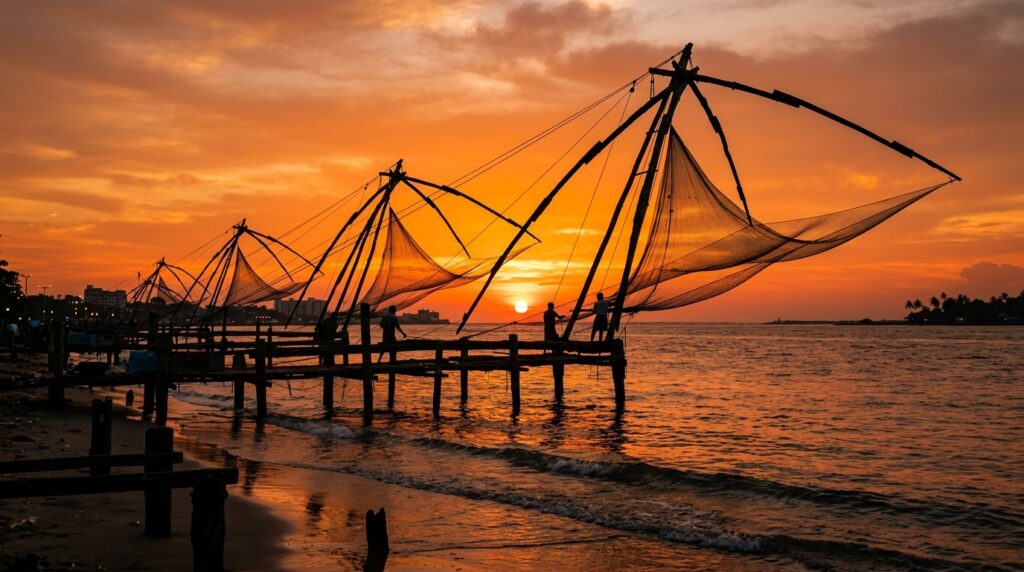
Overview Fort Kochi is a living open-air museum where five centuries of global colonial history meet traditional Malabar maritime heritage. Located along the serene harbor waters of the Arabian Sea in coastal Kerala, this historic enclave is internationally renowned for its extraordinary blend of Portuguese, Dutch, British, and indigenous Kerala architectural styles. The fascinating history of Kochi Fort traces back to 1341, when a massive flood in the Periyar River carved out a natural harbor, transforming an obscure fishing hamlet into Asia’s premier spice hub. Over the next 500 years, Fort Kochi became the very first European colonial settlement in India. In 1503, the Portuguese established Fort Manuel here with the permission of the Rajah of Kochi, constructing grand churches, stone forts, and cobblestone lanes. They were followed in 1663 by the Dutch East India Company (VOC), who re-engineered the town with distinctive gables, heavy bastions, and whitewashed brick masonry, and finally by the British Crown in 1795, who introduced Neoclassical civic architecture, sprawling bungalows, and leafy parade grounds. From the timber-framed nave of St. Francis Church (India’s oldest European church) and the soaring Gothic spires of Santa Cruz Cathedral Basilica to the stone ramparts of Bastion Bungalow and the iconic cantilevered Chinese Fishing Nets (*Cheena Vala*), Fort Kochi offers travelers an unmatched journey through time. For travelers departing from Indore and Central India, exploring Fort Kochi’s architectural landmarks is a rich cultural experience. This comprehensive guide provides deep historical insights, architectural analysis, practical visitor guidelines, and tailored transit logistics for an unforgettable holiday planned by Travel Path Holiday. Local Logistical Advice for Indore Travelers 1. Transit Coordinates from Indore to Kochi Flight Routes & Layovers: The fastest and most convenient connection from Indore to Kerala is via direct connecting flights from Devi Ahilya Bai Holkar Airport (IDR) to Cochin International Airport (COK). Leading carriers such as IndiGo, Air India, and Vistara operate daily flights with short, smooth layovers in Mumbai (BOM, 1h 30m to 2h layover), Delhi (DEL, 2h 10m layover), or Bengaluru (BLR, 1h 40m layover). Total flying and layover duration ranges between 4.5 and 6.5 hours. Upon arrival at Cochin International Airport (Nedumbassery), Fort Kochi is located approximately 42 kilometers to the southwest. Travel Path Holiday arranges private, pre-booked AC sedan or SUV cabs for a comfortable 75 to 90-minute highway drive straight to your heritage hotel in Fort Kochi. Train Routes: For travelers who enjoy long-distance scenic rail journeys through Central and Southern India, direct trains link Indore Junction (INDB) to Ernakulam. The Ahilyanagari Express (22645) departs Indore every Tuesday at 16:45 PM and arrives at Ernakulam Junction (ERS) on Thursday morning at 06:00 AM after a 37-hour journey across Madhya Pradesh, Maharashtra, Andhra Pradesh, Tamil Nadu, and Kerala. Alternatively, the Indore – Kochuveli Weekly SF Express (20932) runs every Tuesday morning. From Ernakulam Junction station, Fort Kochi is just 12 kilometers away (25 minutes by taxi or auto-rickshaw). Travelers can also take the scenic public Ro-Ro water ferry from Ernakulam Marine Drive jetty to Fort Kochi jetty for a nominal fare of ₹6 to ₹10 per passenger. 2. Climate & Humidity Transition (Malwa Plateau to Coastal Kerala) Moving from the dry, elevated continental climate of the Malwa plateau in Indore to the humid coastal climate of Kochi involves an environmental shift. Relative humidity in Fort Kochi averages 75% to 90% year-round, with daily temperatures ranging between 26°C and 34°C. Clothing & Hydration Tips: Pack breathable, lightweight cotton or linen clothing, wide-brimmed sun hats, UV protection sunglasses, and comfortable flat walking shoes or cushioned sandals suitable for cobblestone lanes and heritage stone pathways. Stay well-hydrated throughout your walking tours by enjoying fresh tender coconut water (*Elaneer*), widely available along Fort Kochi Beach and Parade Ground for ₹40 to ₹60. Plan architectural walking tours during the cooler morning hours (8:30 AM to 11:30 AM) or late afternoon (3:30 PM to 6:00 PM). 3. Mobile Data & Connectivity Unlike certain sensitive border regions or union territories like Jammu & Kashmir where out-of-state prepaid mobile SIM cards are blocked, standard prepaid SIM cards issued in Madhya Pradesh (Airtel, Jio, Vi) work flawlessly across Kerala. High-speed 4G and 5G mobile data, GPS navigation, and digital UPI payments remain completely operational throughout Fort Kochi, Mattancherry, and Ernakulam. Complete Details & Practical Guidelines The Historical Evolution of Fort Kochi: Four Distinct Layers The unique architectural skyline of Fort Kochi is the result of four overlapping historical eras: “` +———————————————————————————–+ HISTORICAL TIMELINE OF KOCHI FORT +———————————————————————————–+ 1341 AD Great Periyar Flood creates Kochi natural harbor & spice port 1500–1663 AD Portuguese Era: Fort Manuel built, Catholic churches established 1663–1795 AD Dutch VOC Era: Bastion Bungalow, Dutch gables, urban redesign 1795–1947 AD British Era: Neoclassical bungalows, open parade grounds, trade 1947–Present Heritage Protection Enclave, UNESCO Candidate & Cultural Hub +———————————————————————————–+ “` #### 1. The Pre-Colonial Malabar Era (Before 1500) Prior to European arrival, Kochi was governed by the Rajahs of the Kingdom of Cochin (Perumpadappu Swaroopam). Following the catastrophic flood of 1341 that silted the ancient port of Muziris (Kodungallur), Kochi emerged as the premier natural deep-water harbor on the Malabar Coast. Arab, Chinese, and Jewish merchant fleets established trade ties here, trading Malabar black pepper (“black gold”), cardamom, and cinnamon. Local building methods relied on *Thachu Shastra* (traditional Kerala science of carpentry and architecture)—featuring laterite stone masonry, heavy teakwood timber frameworks, steep sloping hip roofs clad in terracotta clay tiles, and open inner courtyards designed to channel coastal breezes and shed heavy monsoon rains. #### 2. The Portuguese Era (1500 – 1663) Following Vasco da Gama’s landing at Calicut in 1498, Portuguese commander Afonso de Albuquerque arrived in Kochi in 1503. In exchange for helping the King of Kochi against the Zamorin of Calicut, the Portuguese were granted land to build Fort Manuel—the very first European fortress constructed on Asian soil. Architectural Legacy: The Portuguese introduced European ecclesiastical Gothic and Manueline architectural elements to India. They constructed sturdy thick-walled churches, residential quarters with arched arcades, high timber-trussed ceilings, and central plazas. They

Kerala Honeymoon

Emergency Numbers, Hospitals & Tourist Police in Varkala Cliff Beach

Overview Varkala Cliff Beach is one of India’s most breathtaking coastal destinations, renowned for its towering red laterite cliffs overlooking the Arabian Sea, natural mineral springs, and golden sandy beaches. However, because Varkala’s unique landscape features steep cliff edges, ocean undercurrents, and narrow pedestrian pathways, having immediate access to a verified emergency helpline in Varkala Cliff Beach is vital for every visitor. Whether you need urgent medical care at a nearby hospital, assistance from the Kerala Tourist Police, or guidance from local lifeguards on beach safety flags, being prepared ensures your coastal holiday remains safe, stress-free, and memorable. This official emergency response and safety guide—curated by Travel Path Holiday specifically for travelers departing from Central India—delivers verified emergency contact numbers, detailed hospital locations, cliff edge safety rules, ocean lifeguard protocols, and practical security tips. Local Logistical Advice for Indore Travelers Planning a seamless and safe journey from Indore to Varkala requires understanding travel coordinates, transport options, medical connectivity, and climate adjustments when transitioning from the dry Malwa plateau to Kerala’s humid coastline. Air Connections from Indore (IDR) to Varkala The fastest way to reach Varkala from Indore is flying into Trivandrum International Airport (TRV), located just 50 kilometers south of Varkala Cliff. Connecting Flight Routes: Daily connecting flights operate from Devi Ahilya Bai Holkar Airport (IDR) in Indore to Trivandrum (TRV) with smooth layovers at Mumbai (BOM), Bengaluru (BLR), or Delhi (DEL) via IndiGo and Air India. Optimal Layover Windows: Choose flights with layovers between 1.5 and 2.5 hours at Mumbai (BOM) or Bengaluru (BLR). Total travel time ranges from 5.5 to 7.5 hours. Alternative Airport (Kochi – COK): Flying into Cochin International Airport (COK) is also convenient, located 175 kilometers north of Varkala (a 4.5-hour drive via private AC cab or a 3.5-hour train journey). Airport Transfer to Varkala: From Trivandrum Airport (TRV), a pre-booked private AC cab arranged by Travel Path Holiday reaches Varkala Cliff in approximately 1 hour 15 minutes. Alternatively, travelers can take a 15-minute taxi to Trivandrum Central Railway Station (TVC) and catch an express train to Varkala Sivagiri Railway Station (VAK), taking about 45 minutes. Direct & Connecting Train Routes from Indore For travelers who enjoy long-distance train journeys through scenic landscapes, Varkala is well connected to Central India by rail. Direct Train Route: The *Ahilyanagari Superfast Express* (Train No. 22645) runs directly from Indore Junction (INDB) to Varkala Sivagiri (VAK), eliminating the need for train transfers. Connecting Train Routes: Travelers can also take the *Avantika Express* (12962) from Indore to Mumbai Central, and board Kerala-bound express trains such as the *Netravati Express* (16345) or *Kochi Rajdhani Express* (12432) halting directly at Varkala Sivagiri (VAK). Climate & Humidity Transition Guidelines Atmospheric & Temperature Shift: Indore travelers moving from Central India’s dry continental weather will experience tropical coastal humidity (75% to 90%) in Varkala. Hydration & Sun Safety: High humidity causes rapid fluid loss during cliff walks. Stay hydrated with fresh tender coconut water (*Karikku*), available at local stalls for ₹40–₹50, alongside ORS electrolyte packets. Apply eco-friendly SPF 50 sunscreen to prevent sunburn. Attire: Pack lightweight, breathable organic linen and cotton attire. Avoid heavy synthetic fabrics that retain heat and sweat. Mobile Connectivity Reminder: Unlike northern Union Territory travel routes (such as Jammu & Kashmir or Ladakh) which enforce strict postpaid-only SIM restrictions, standard prepaid SIM cards issued in Madhya Pradesh (Jio, Airtel, Vi) function seamlessly across Varkala, Papanasam, and Trivandrum with reliable 4G and 5G network coverage. Emergency helpline numbers (112, 108) can be dialed directly from any MP mobile network. Complete Details & Practical Guidelines 1. Essential Emergency Helpline Numbers & Contacts When traveling along Varkala’s North and South Cliffs, save these official emergency contacts on your mobile phone for immediate assistance: “` +————————————————————————–+ VARKALA EMERGENCY HELPLINE DIRECTORY +————————————————————————–+ Emergency Response Support System (ERSS): 112 (Police, Fire, Ambulance) Kerala Tourist Police Control Room: 0471-2320100 / 9497990000 Varkala Local Police Station: 0470-2602333 National Ambulance Service: 108 Fire & Rescue Station Varkala: 0470-2602001 / 101 Government Taluk Hospital Varkala: 0470-2602344 / 0470-2602244 Kerala Tourism 24×7 Helpline: 1800-425-4747 Indian Coast Guard Search & Rescue: 1554 / 0471-2500414 +————————————————————————–+ “` Integrated Emergency Number (112): Dialing 112 connects directly to the Emergency Response Support System (ERSS) in Kerala, routing your call to local police, fire, or ambulance dispatch based on your GPS location. Kerala Tourist Police (0471-2320100 / 9497990000): Dedicated tourist welfare police officers trained to handle visitor inquiries, safety concerns, lost documents, and language assistance. Local Varkala Police Station (0470-2602333): Located at Varkala Town (Maithanam Junction), approximately 2.5 km from North Cliff. Kerala Tourism 24×7 Helpline (1800-425-4747): Toll-free helpline offering verified travel information, tourist aid post locations, and emergency guidance in English and Hindi. 2. Hospitals, Medical Centers & 24/7 Pharmacies Near Varkala Cliff In case of medical emergencies, sudden illnesses, cliff injuries, or heat exhaustion, Varkala offers reliable local healthcare centers as well as quick access to advanced super-specialty hospitals in Trivandrum. “` +————————————————————————–+ HEALTHCARE INFRASTRUCTURE NETWORK [North / South Cliff] –(2.5 km / 8 mins)–> [Government Taluk Hospital] +————(3.0 km / 10 mins)-> [SN Mission Hospital] +————(50 km / 75 mins)–> [KIMSHEALTH Trivandrum] (Super-Specialty / Trauma) +————————————————————————–+ “` #### Local Hospitals in Varkala Town 1. Government Taluk Hospital, Varkala Location: Maithanam Junction, Varkala Town (2.5 km from North Cliff). Facilities: 24/7 Emergency Casualty Department, basic trauma management, minor surgical care, ambulance service, and essential diagnostic laboratory. Contact: 0470-2602344 / 0470-2602244. Best For: Immediate first aid, minor cliff cuts/sprains, snakebite or jellyfish sting care, and basic emergency stabilization. 2. Sree Narayana Mission Hospital (S N Mission Hospital) Location: Court Road, Varkala (3.0 km from North Cliff). Facilities: Multi-specialty private hospital featuring a 24-hour Emergency Room, ICU, Operation Theatre, X-ray, Ultrasound, Pharmacy, and private patient rooms. Contact: 0470-2602269 / 0470-2603200. Best For: Advanced medical consultations, diagnostic imaging, pediatric emergencies, and acute illness treatment. 3. Sree Gokulam Medical College & Hospital Location: Venjaramoodu / Attingal corridor (~25 km from Varkala, a 35-minute drive). Facilities: Comprehensive tertiary medical care, 24/7 Trauma Care Center, multi-disciplinary ICUs, and emergency cardiac

Kerala Honeymoon

Pre-Wedding Shoot & Couple Photography in Wayanad Hills

Overview Wayanad Hills, anchored in the elevated Western Ghats of northern Kerala, has emerged as one of South India’s most enchanting destinations for pre-wedding shoots and romantic couple photography. Featuring emerald green tea estates rolling over misty mountains, natural heart-shaped lakes, majestic earthen dams, ancient bamboo groves, and cascading waterfalls, Wayanad offers a dramatic canvas for couples seeking timeless visual storytelling. Whether you desire cinematic gown photography amidst foggy plantation trails or vibrant traditional couple portraits against pristine lake reflections, Wayanad provides diverse natural studio settings within close proximity of each other. This detailed guide covers top shoot locations, permit procedures, local photographer hire versus bringing your home team, wardrobe styling, lighting windows, and practical travel logistics for couples traveling from Central India. Local Logistical Advice for Indore Travelers Planning a high-stakes pre-wedding photography trip from Indore requires seamless logistical coordination so that couples, photographers, wardrobe luggage, and delicate camera equipment arrive refreshed and on schedule. Air Travel Connections: The fastest route from Indore is flying from Devi Ahilyabai Holkar International Airport (IDR) to Kozhikode Calicut International Airport (CCJ) or Kannur International Airport (CNN) via connecting hubs like Mumbai (BOM), Bengaluru (BLR), or Delhi (DEL). Layover times typically range from 1.5 to 3 hours. Kozhikode Airport (CCJ) is situated just 85 km (approx. a 2.5-hour drive) from Kalpetta and Vythiri in Wayanad via the picturesque Thamarassery Ghat Pass (NH 766). Alternatively, Cochin International Airport (COK) is 215 km (approx. 6 hours drive) and serves as an optional entry point if combining Wayanad with Alleppey houseboats. Direct Rail Routes: For couples and crew carrying heavy photography lighting rigs and multiple outfit trunks, train travel offers generous baggage capacity. The Ahilyanagari Express (Train No. 22645) provides direct weekly connectivity from Indore Junction (INDB) to Kozhikode (CLT) and Ernakulam (ERS). Alternatively, connect via Mumbai or Hazrat Nizamuddin to board the daily Mangala Lakshadweep Express (12618) to Kozhikode. Climate & Elevation Transition: Travelers from Malwa (Indore) transition from a dry inland climate to Wayanad’s high-altitude (700m to 2,100m above sea level) tropical highland climate. Morning temperatures range between 18°C and 22°C with high morning humidity (75%–90%) and thick mist layer coverage—ideal for atmospheric shots. Afternoon temperatures stay pleasant at 24°C–28°C. Mobile Connectivity & Roaming: Unlike union territory travel destinations like Jammu & Kashmir, standard prepaid mobile SIM cards from Madhya Pradesh (Airtel, Jio, Vi) work seamlessly across Kerala with full 4G/5G data roaming enabled. Photographers can upload live client previews, stream location maps, and coordinate with ground teams without purchasing local SIM cards. Pure Vegetarian Dining Logistics: Indore couples with specific culinary preferences can enjoy complete peace of mind. Major Wayanad hubs like Kalpetta, Vythiri, and Sulthan Bathery feature hand-vetted vegetarian options/dining and freshly cooked pure vegetarian dishes (including North Indian thalis, Indori-style Poha breakfasts, and fresh South Indian tiffins prepared without onion/garlic upon request). Complete Details & Practical Guidelines 1. Top Scenic Pre-Wedding Shoot Locations in Wayanad #### A. Chembra Peak & The Heart-Shaped Lake (Hridaya Saras) Visual Appeal: Located at an altitude of 2,100 meters, Chembra Peak is famous for its naturally shaped heart lake (Hridaya Saras) nestled halfway up the mountain amidst evergreen high-altitude grasslands. The lake never dries up and offers a breathtaking romantic backdrop surrounded by rolling cloud masses. Location & Access: Situated near Meppadi, 17 km south of Kalpetta. Trekking permits must be secured from the South Wayanad Forest Division Office at Meppadi or the forest check post at the base. Best Shooting Window: Early morning (07:00 AM to 10:30 AM). Mist clears periodically to reveal the heart lake while keeping the ambient light soft and even. Permit & Trekking Guidelines: The Forest Department allows a limited number of trekkers daily. Standard group trek permits cost ₹1,000 for up to 5 persons, plus nominal camera entry fees (₹150–₹300). Commercial drone usage is strictly prohibited on forest land without prior Chief Wildlife Warden clearance. Heavy bridal gowns are impractical during the 3.5 km uphill trek; couples are advised to wear comfortable trekking gear and change into lightweight flowy dresses or formal attire at designated resting points near the lake. #### B. Banasura Sagar Dam & Reservoir Hillocks Visual Appeal: As the largest earth dam in India and the second largest in Asia, Banasura Sagar impounds the Karamanathodu tributary of the Kabini River. The reservoir is dotted with submerged hillock islands, set against the backdrop of the Banasura hills. Key Frames: Speedboat couple shots gliding over turquoise backwaters, sunrise silhouette framing on the stone embankments, manicured botanical garden lawns, and sunset reflections over the earthen spillway. Best Shooting Window: Golden Hour (04:15 PM to 06:15 PM) for warm orange horizon hues reflecting on the water sheet. Permits & Charges: Entry ticket is ₹40 per head. Still camera permit costs ₹100, while commercial photography permissions range between ₹1,500 and ₹3,000. Private 15-minute couple speedboat charters cost ₹1,200 to ₹1,800. #### C. Vythiri & Meppadi Rolling Tea Estates Visual Appeal: Endless waves of emerald tea bushes contoured over undulating hill slopes, punctuated by tall silver oak trees wrapped in pepper vines. Best Shooting Window: Morning Golden Hour (06:15 AM to 08:45 AM). Dewdrops on tea leaves create a sparkling bokeh effect in backlit portraits. Access & Permissions: Estates like Harrison Malayalam, Ripon, and private plantations attached to luxury resorts (e.g., Vythiri Village, Wayanad Wild, Windflower) offer dedicated shooting trails. Resort-attached tea gardens often grant complimentary access to in-house guests, while independent commercial shoots incur permission fees of ₹2,000 to ₹5,000 per slot. Wardrobe Synergy: Vibrant primary colors—crimson red, deep royal blue, emerald green, and canary yellow—contrast stunningly against the rich green tea foliage. #### D. Kuruva Island & Kabini Bamboo Groves Visual Appeal: A 950-acre protected river delta on the Kabini River comprising dense evergreen bamboo forests, natural river streams, and traditional wooden bamboo rafts. Best Shooting Window: Mid-morning (09:00 AM to 11:30 AM) when morning sunlight filters through the dense bamboo canopy, casting dramatic light rays (“God rays”). Permits & Logistics: Accessible via DTPC bamboo raft ferries. Still camera fee

Kerala Honeymoon

ATM, Cash & Mobile Connectivity Guidelines in Kovalam Beach

Navigating payments and staying connected while holidaying at Kovalam Beach is straightforward once you understand local beachside logistics. Famous for its trio of crescent-shaped beaches—Lighthouse Beach, Hawa Beach (Eve’s Beach), and Samudra Beach—Kovalam blends upscale cliffside resorts with casual shoreline shacks and rustic wooden catamaran rides. While digital India initiatives have made UPI payments widespread across Kerala, beachfront micro-vendors, sunbed operators, and oceanfront shacks still rely heavily on cash transactions. Furthermore, mobile signal strength varies depending on whether you are standing atop Lighthouse Hill or relaxing under a beach umbrella near the shore. This guide provides practical guidelines on cash necessity, ATM availability, card/UPI reliability, and mobile network performance in Kovalam Beach, tailored specifically for travelers departing from Indore and Central India. Local Logistical Advice for Indore Travelers Planning a seamless coastal getaway from Central India requires understanding the transit routes, climate transitions, and mobile roaming setup before you land on Kerala’s southwestern coast. Flight Connections from Indore: Travelers from Indore (IDR) can reach Kovalam conveniently by flying into Trivandrum International Airport (TRV), which is situated just 15 km (approx. 30 minutes drive) north of Kovalam Beach. Premium connecting flights operate daily from Indore via Mumbai (BOM) or Bengaluru (BLR) on IndiGo and Air India, with smooth layovers ranging from 1 hour 45 minutes to 3 hours. Alternatively, if flying into Cochin International Airport (COK), you can enjoy a scenic drive down the National Highway 66 (NH66) or board the fast Vande Bharat Express from Ernakulam Junction to Trivandrum Central (TVC). Train Routes: Direct train options include the popular Ahilyanagari Express (Train No. 22645), departing weekly from Indore Junction (INDB) straight to Trivandrum Central (TVC). Another comfortable option is taking the Malwa Express or Express trains to New Delhi or Mumbai, connecting to the Kerala Express. Climate & Humidity Transition: Moving from Malwa’s dry tropical heat or mild winter air into Kerala’s coastal climate involves a significant humidity shift. Expect relative humidity levels between 75% and 88% along Kovalam Beach. Keep your smartphones and power banks in splash-proof pouches when walking along the wet sands to protect electronics from salt-laden sea breezes. Mobile Network Roaming Note: Unlike destinations with strict prepaid roaming restrictions like Jammu & Kashmir, standard prepaid SIM cards issued in Madhya Pradesh (Indore, Bhopal, Ujjain) work seamlessly across Kovalam and all of Kerala. National roaming activates automatically without requiring additional permissions or SIM card replacements. Complete Details & Practical Guidelines 1. Cash Necessity for Local Beach Shacks & Water Activities While higher-end oceanfront hotels and established multi-cuisine restaurants readily process digital payments, physical Indian Rupee (INR) cash remains essential for daily beachside experiences in Kovalam: Beach Shacks & Coconut Vendors: Fresh tender coconuts (₹40 to ₹60), local banana fritters (*pazham pori*), and casual beachside fruit platters are sold mostly by independent local vendors who require cash. Sunbed & Umbrella Rentals: Beachboys managing sun loungers and umbrellas along Lighthouse Beach charge around ₹100 to ₹200 per hour (or ₹300 to ₹500 for a full day). Almost all sunbed operators require cash payments upfront. Catamaran Rides & Local Water Sports: Traditional wooden catamaran rides off Hawa Beach and Vizhinjam coast (priced between ₹300 and ₹600 per head) are operated by local fishermen who strictly accept physical cash. Seashell & Souvenir Stalls: Small shops selling shell jewelry, bamboo handicrafts, handmade sarongs, and beachwear along the narrow Lighthouse promenade prefer cash due to frequent network lag on digital QR terminals right at the water’s edge. Recommended Daily Cash Carry: We advise Indori families and couples to keep ₹2,500 to ₹4,000 in physical cash split into smaller denominations (₹50, ₹100, ₹200, and ₹500 notes). Vendors often struggle to provide change for ₹2,000 or ₹500 notes during early morning hours. 2. Location & Reliability of ATMs in Kovalam Cash machines along the immediate shoreline can occasionally run dry during peak holiday weekends (November through February) or festival seasons. Knowing exact ATM locations ensures you never run out of currency. Location Bank ATMs Available Distance from Shoreline Operational Reliability & Notes Lighthouse Beach Promenade State Bank of India (SBI) ~50 meters (Near Lighthouse Access Steps) High footfall; frequently experiences cash outages on Saturday/Sunday evenings. Best for morning withdrawals. Kovalam Junction & Bus Stand SBI, HDFC Bank, ICICI Bank ~400 meters inland (Top of Kovalam Road) Highly reliable; refilled daily. Features air-conditioned glass kiosks and multi-card acceptance. Hawa Beach Approach Road Axis Bank ATM, Canara Bank ~250 meters inland Moderate reliability. Good fallback if Lighthouse Beach SBI ATM is out of service. Vizhinjam Harbor Area Federal Bank, Canara Bank, SBI ~2 km south of Kovalam Beach Very dependable; used primarily by locals and harbor merchants. Ideal when coastal Kovalam ATMs are depleted. Pro Tip for Indore Travelers: Withdraw adequate cash upon landing at Trivandrum International Airport (TRV) arrival lounge ATMs or near Kovalam Junction before checking into your beachfront hotel. Shoreline ATMs often encounter extended downtime due to humid saline air affecting card reader sensors. 3. Card & UPI Acceptance Matrix in Kovalam Venue / Vendor Category Card Acceptance (Visa/MasterCard/RuPay) UPI Acceptance (Google Pay / PhonePe / Paytm) Practical Advice Luxury Resorts & Cliffside Dining 100% Accepted 100% Accepted Smooth card swipe terminals with zero surcharges at major properties. Mid-Range Beach Promenade Cafes Accepted (2% extra surcharge on some cards) Widely Accepted Verify UPI QR signal before placing orders; signal can drop inside covered thatched roofs. Beach Shacks & Sunbed Operators Not Accepted 30%–40% Accepted (Subject to signal) Always carry physical cash backup for beach loungers and casual snacks. Local Taxi & Auto Rickshaws Not Accepted 60% Accepted Auto drivers around Kovalam Junction accept UPI, but cash is preferred for late-night airport drops. 4. Mobile Data Signals & Telecom Performance in Kovalam Mobile coverage across Kovalam Beach is generally strong, but physical terrain—such as steep rocky headlands, coconut groves, and thick concrete cliffside construction—can affect data speeds. “` [ Lighthouse Hill / Promenade ] –> Strong 5G / 4G (Airtel & Jio: 100+ Mbps) [ Shoreline Sand & Water Line ] –> Moderate 4G

Kerala Honeymoon

Local Shopping Guide in Thekkady Wildlife Safari: Authentic Souvenirs

Overview Nestled in the lush Cardamom Hills of the Western Ghats, Thekkady (bordering the vibrant market town of Kumily) is the undisputed spice capital of Kerala. Beyond its famous Periyar Tiger Reserve boat safaris and jungle treks, Thekkady offers one of the most rewarding shopping experiences in South India. The air here is filled with the intoxicating aroma of crushed green cardamom, fresh Tellicherry black pepper, star anise, cinnamon quills, and aromatic eucalyptus oil. For travelers visiting from Malwa and Central India, shopping in Thekkady is an essential cultural highlight—allowing you to bring home farm-fresh, chemical-free spices, single-origin high-range teas, pure essential oils, and hand-carved wooden souvenirs directly from the source. Navigating the bustling markets of Kumily can feel overwhelming due to the sheer density of spice shops and roadside stalls. Distinguishing export-grade organic cardamom from artificially dyed pods or pure Ceylon cinnamon from cheap cassia bark requires local insight. This comprehensive guide provides actionable tips, government-certified shop recommendations, authenticity test methods, realistic price benchmarks, flight luggage packing guidelines, and logistical advice tailored specifically for travelers departing from Indore. Local Logistical Advice for Indore Travelers Planning a trip from Indore to the spice hills of Thekkady involves key logistical considerations regarding flight connections, climate transitions, telecom connectivity, and luggage handling. Flight & Train Connections from Indore: By Air: The most efficient route from Indore (IDR) to Thekkady is taking a morning connecting flight via Mumbai (BOM) or Bengaluru (BLR) to Cochin International Airport (COK). Airlines like IndiGo and Air India operate daily schedules, with layover times ranging between 1 hour 15 minutes to 2.5 hours. From Kochi airport, your private tourist cab booked through Travel Path Holiday will take you on a scenic 140 km drive up the Western Ghats along National Highway 183, reaching Kumily/Thekkady in roughly 3.5 to 4 hours. By Rail: For travelers who prefer train journeys, the Ahilyanagari Express (22645) provides a direct weekly connection from Indore Junction (INDB) to Ernakulam Junction (ERS). Alternatively, book berths on the INDB-KCVL Express (20932). The closest major railway station to Thekkady is Kottayam (KTYM), located 114 km away (a 3-hour cab ride from the station to Kumily). Climate & Moisture Acclimatization: Indore’s dry tropical climate differs significantly from the humid, high-altitude rainforest environment of Thekkady (elevated at 900–1,200 meters above sea level). While temperatures in Kumily remain comfortable (18°C to 25°C), relative humidity is elevated due to dense canopy foliage. When purchasing whole spices, tea leaves, or dried herbs, ensure they are vacuum-packed or sealed in airtight containers immediately to prevent moisture absorption during your stay. Mobile Connectivity & Telecom Note: Unlike North Indian high-altitude border destinations such as Jammu & Kashmir or Ladakh—where prepaid SIM cards issued outside the state are blocked—standard prepaid SIM cards from Madhya Pradesh (Airtel, Reliance Jio, VI) work seamlessly across Kerala. Mobile data coverage in Kumily town and along the shopping strips is excellent (4G/5G), making UPI digital payments (Google Pay, PhonePe, Paytm) quick and convenient at almost all certified spice outlets and handicraft stores. Airline Luggage Security Rules: If you are flying back from Kochi to Indore, remember that airline security regulations prohibit carrying liquid essential oils, body massage oils, or large quantities of powdered spices in your hand luggage. Store all liquid aromatic oils (in leak-proof bottles) and sealed spice packages inside your checked baggage. Kept securely in checked bags, whole cardamom, pepper, and cinnamon will pass security screening smoothly without any hassle. Complete Details & Practical Guidelines 1. What to Buy: The Ultimate Thekkady Souvenir Checklist Thekkady’s spice trade dates back millennia to when ancient Arab, Roman, and European traders sailed to Malabar for black gold. Today, Kumily’s markets offer an array of fresh agricultural produce and artisanal crafts. “` ┌─────────────────────────────────────────────────────────┐ │ THEKKADY SOUVENIR CHECKLIST │ └────────────────────────────┬────────────────────────────┘ │ ┌─────────────────┬─────────────┴───────┬──────────────────┐ ▼ ▼ ▼ ▼ ┌─────────┐ ┌───────────────┐ ┌──────────────────┐ ┌────────────┐ │ SPICES │ │ TEA & COFFEE │ │ AROMATIC OILS │ │HANDICRAFTS │ └────┬────┘ └───────┬───────┘ └────────┬─────────┘ └─────┬──────┘ │ │ │ │ ├─ Cardamom ├─ CTC & Orthodox ├─ Eucalyptus ├─ Rosewood ├─ Tellicherry ├─ Green Tea ├─ Lemongrass ├─ Kathakali ├─ Ceylon Cinnamon ├─ Arabica Coffee ├─ Sandalwood ├─ Brass Lamp └─ Cloves/Nutmeg └─ Robusta Beans └─ Vetiver Oil └─ Banana Fiber “` #### A. Premium Organic Spices Straight from Spice Gardens Green Cardamom (Elaichi): Known as the “Queen of Spices,” Thekkady cardamom is world-renowned. Look for Grade 8mm+ (Jumbo Extra Bold) pods. Superior pods are plump, deep green, tightly closed, and packed with fragrant, sticky black seeds inside. Avoid unnaturally bright neon-green pods, which may have been treated with chemical dyes. Tellicherry Black Pepper (Kali Mirch): Ask specifically for TGSEB (Tellicherry Garbled Special Extra Bold). These are the largest, highest-quality black peppercorns harvested from mature vines, boasting intense pungent oil and robust aroma compared to commercial kitchen pepper. Ceylon Cinnamon (Dalchini): Genuine Ceylon cinnamon consists of soft, paper-thin, multi-layered tan rolls that crumble easily between your fingers. It possesses a sweet, subtle aroma. Do not confuse it with Cassia (cheap cinnamon substitute), which is thick, dark brown, hollow, single-layered, and hard as wood. Cloves (Laung), Nutmeg (Jaiphal) & Mace (Javitri): High-grade cloves should have full, unbroken crowned heads and release oil when pressed with a fingernail. Fresh nutmeg is sold encased in its fiery crimson-red lattice of mace—purchasing whole nutmeg with mace attached ensures maximum freshness and shelf life. Star Anise, Vanilla Beans & Dry Ginger: You can buy whole star anise heads, sun-dried ginger roots (Sonth), and supple, oily black organic vanilla pods (ideal for baking and gourmet desserts). #### B. Highrange Tea & Single-Origin Coffee Vandiperiyar & Peermade Teas: The hill slopes surrounding Thekkady produce exceptional Highrange teas. Select loose-leaf Orthodox black teas for a refined morning cup, CTC (Crush, Tear, Curl) teas for rich Indori-style masala chai, or fragrant cardamom-infused tea blends. Organic Green Tea and White Tea leaves are also widely available. Idukki Robusta & Arabica Coffee: Grown under the shade of spice garden trees, Thekkady coffee beans absorb subtle spice undertones. You can buy whole

Tour Packages & Guides

Packing Guide for Kochi Fort: Summer vs Winter Wear

Overview Planning a getaway from Central India to the historic coastal precinct of Fort Kochi requires a smart strategy when zipping up your luggage. Unlike the dry, continental climate of Malwa—where Indoris experience crisp winters and scorching dry summers—Fort Kochi presents a tropical maritime climate characterized by high humidity, coastal breezes, sudden rain showers, and intense midday sunshine. Whether you are wandering through cobblestone alleys, admiring Dutch and Portuguese heritage villas, dining at bohemian cafes along Princess Street, or watching fishermen operate the iconic Chinese Fishing Nets, what you wear directly dictates your comfort. A well-planned packing list for Kochi Fort ensures you remain cool, stylish, and culturally respectful throughout your stay. Summer in Kochi demands ultra-light, moisture-wicking organic cottons and loose linen silhouettes, while the winter months (October through February) offer pleasant mornings and breezy evenings ideal for smart-casual wear, requiring lightweight layering. Additionally, monsoon travelers must account for sudden tropical downpours with quick-dry apparel and specialized gear. This definitive packing guide breaks down seasonal wardrobe choices, anti-slip footwear for heritage walking tours, high-SPF skincare essentials, tropical mosquito protection, and practical luggage tips tailored specifically for travelers departing from Indore. Local Logistical Advice for Indore Travelers Transit Routes & Flight Connections from Indore Travelers departing from Indore have convenient air and rail connections to reach Cochin International Airport (COK) or Ernakulam Junction (ERS): Air Routes: Devi Ahilya Bai Holkar Airport (IDR) offers daily connecting flights to Cochin International Airport (COK) via major aviation hubs including Mumbai (BOM), Delhi (DEL), and Bengaluru (BLR). Connecting flights operated by IndiGo and Air India typically feature short layover times ranging between 1.5 to 3 hours, bringing your total travel duration to around 4.5 to 6 hours. Rail Options: For those who prefer scenic long-distance train journeys, the direct Ahilyanagari Express (Train No. 22645) connects Indore Junction (INDB) directly to Ernakulam Junction (ERS). Departing Indore on weekly schedules, this train crosses Central and Southern India, taking approximately 36 to 38 hours. Connecting trains via Mumbai Central or Hazrat Nizamuddin are also popular choices. Climate & Humidity Transition Strategy The Malwa-to-Coastal Shift: Indoris leaving behind Indore’s dry atmosphere (where summer humidity drops below 25% and winter temperatures can dip to 8°C) will immediately feel Kochi’s tropical humidity, which remains high year-round between 75% and 90%. Transit Clothing Tip: Wear lightweight, breathable cotton trousers and a layered t-shirt during your flight or train journey. Keep a light jacket or stole in your cabin baggage for cold air-conditioned airport terminals or train coaches, but ensure your main apparel underneath is breezy so you can comfortably step into Kochi’s warm tropical air upon arrival. Mobile Connectivity Note for MP Travelers Travelers from Madhya Pradesh often ask about mobile network roaming restrictions. Rest assured that standard prepaid SIM cards issued in MP (Airtel, Jio, Vi) work seamlessly across Kerala with full 4G/5G data roaming enabled. Unlike regions with security restrictions like Jammu & Kashmir, your domestic prepaid connection will operate smoothly without needing any temporary local SIM cards. Complete Details & Practical Guidelines Seasonal Breakdown: Summer vs. Winter (and Monsoon) Wear #### 1. Summer Wear (March to May) Summer in Fort Kochi is warm and intensely humid, with daytime temperatures hovering between 29°C and 34°C, accompanied by high heat index levels. Apparel Strategy: Pack exclusively natural, breathable fabrics such as 100% pure cotton, khadi, and linen. Loose-fitting cut-sew t-shirts, oversized linen shirts, airy palazzo pants, and cotton shorts are essential. Color Palette: Opt for whites, creams, pastels, and soft earth tones that reflect sunlight rather than absorb heat. Avoid: Synthetic materials like polyester, nylon, tight skinny jeans, and heavy denims, which trap sweat and cause heat rashes in high humidity. #### 2. Winter Wear (October to February) Winter is the peak tourist season in Kochi, featuring pleasant, sunny days (24°C to 30°C) and cooler sea breezes in the late evenings. Apparel Strategy: Pack light cotton smart-casuals for daytime sightseeing. For evenings at waterfront restaurants or cultural Kathakali performances, carry breathable cotton maxi dresses, linen trousers, short-sleeved casual button-downs, and light cotton shrugs. Evening Layering: A lightweight cotton scarf, pashmina stole, or light denim shirt is sufficient for breezy coastal nights along Fort Kochi Beach or air-conditioned dining spaces. Heavy woolen coats, thermals, or leather jackets are completely unnecessary. #### 3. Monsoon Wear (June to September) The South-West Monsoon brings heavy, romantic downpours and dramatic coastal skies, with temperatures averaging 24°C to 28°C. Apparel Strategy: Focus on quick-drying synthetic blends, lightweight polyester shorts, knee-length skirts, or cropped linen trousers that do not drag in rain puddles. Darker colors are recommended to prevent mud splatter visibility. Rain Gear: Carry a compact, wind-resistant umbrella and a high-quality lightweight poncho or breathable raincoat. Avoid heavy waterproof jackets that lock in body heat and cause excessive perspiration inside. Footwear Recommendations for Heritage Walks Fort Kochi is best explored on foot. However, its historic streets feature a mix of cracked stone pavements, unpaved alleyways, cobblestone plazas around Jew Town, and sandy stretches near the beach. Footwear Type Recommended Usage Key Features & Tips Cushioned Walking Sneakers Daytime heritage walking tours, visiting Mattancherry Palace & Jew Town Choose breathable mesh uppers with arch support. Wear thin cotton socks to prevent blisters. Anti-Slip Strapped Sandals Monsoon walks, casual beach strolls, evening cafe visits Water-resistant rubber or EVA soles (brands like Teva or Decathlon) with adjustable straps. Canvas Slip-Ons / Loafers Evening dining, art gallery visits, Kathakali shows Easy to slip off when entering traditional heritage spaces, art centers, or places of worship. Footwear to Leave at Home High heels, formal leather shoes, slick-soled flip-flops High heels get trapped in cobblestone gaps; smooth soles slip on wet heritage tiles and algae-covered sea steps. Sun Protection, Skincare & Tropical Health Essentials The tropical sun in coastal Kerala is strong even on overcast days. Your toiletry kit should prioritize sun defense and hydration: High-SPF Sunscreen: Pack a broad-spectrum SPF 50+ PA++++ sunscreen. Opt for sweat-resistant, non-greasy water-gel formulations that absorb quickly without feeling sticky in high humidity. Reapply every

Kerala Honeymoon

Cultural Etiquette and Traditions in Kovalam Beach

Overview Understanding cultural etiquette in Kovalam Beach ensures a seamless, respectful, and enriching vacation along Kerala’s iconic southern coastline. Famous for its crescent-shaped shores, historic Vizhinjam lighthouse, and proximity to sacred heritage sites, Kovalam is a unique fusion of international beach tourism and deeply rooted South Indian traditions. While the beach promenades offer a relaxed coastal atmosphere, local customs govern everything from appropriate attire and temple entry protocols to interactions with coastal fishing communities and sea safety decorum. Navigating these cultural norms allows travelers to experience Kovalam’s natural beauty while honoring the heritage of the local community. For visitors traveling from Central India, respecting these customs transforms a simple beach getaway into an authentic, hassle-free cultural journey. Local Logistical Advice for Indore Travelers Planning a journey from Central India to Kovalam involves a transition from the dry, elevated plateau of Malwa to the warm, high-humidity coastal environment of Southern Kerala. Understanding local transit, climate shifts, and connectivity options guarantees a stress-free experience from the moment you depart Indore. Transit & Flight Connections from Indore Air Connectivity: The fastest route from Indore to Kovalam is flying from Devi Ahilya Bai Holkar Airport (IDR) to Thiruvananthapuram International Airport (TRV), located just 15 kilometers (a 25-minute drive) from Kovalam Beach. Airlines such as IndiGo and Air India operate daily connecting flights via Mumbai (BOM), Delhi (DEL), or Bengaluru (BLR). Selecting flight connections with layovers between 1.5 to 3 hours ensures total travel times of under 6 hours. Alternatively, flying into Cochin International Airport (COK) allows for a scenic drive south along the coastal highway. Rail Connection: Travelers preferring train journeys can board the Ahilyanagari Express (22645) direct from Indore Junction (INDB) to Thiruvananthapuram Central (TVC) or Ernakulam Junction (ERS). Booking AC Tier coaches (1AC, 2AC, or 3AC) provides a comfortable journey across Central and Southern India. Climate & Clothing Transition: Indore’s semi-arid, low-humidity climate contrasts sharply with Kovalam’s coastal humidity, which routinely stays between 75% and 85%. Indori travelers should pack light, breathable pure-cotton outfits, linen shirts, and comfortable slip-on footwear. Hydration with fresh tender coconut water (*Karikku*) or bottled mineral water is essential when exploring the shoreline during peak sun hours (11:00 AM to 3:30 PM). Mobile Network Connectivity: Unlike holiday destinations in Jammu & Kashmir where domestic prepaid SIM cards are blocked, standard prepaid SIM cards issued in Madhya Pradesh (Jio, Airtel, and Vi) function seamlessly across Kovalam and Thiruvananthapuram without requiring post-paid conversions or special roaming activations. Complete Details & Practical Guidelines 1. Beach Attire Norms & Coastal Social Decorum Kovalam comprises three primary beaches: Lighthouse Beach, Hawa Beach (Eve’s Beach), and Samudra Beach. While Lighthouse Beach is the main hub for international tourists, local cultural boundaries remain active across all shorelines. “` +———————————————————————————–+ KOVALAM BEACH DRESS CODE GUIDE +————————–+———————————-+———————+ Location Recommended Attire Restricted Wear +————————–+———————————-+———————+ Active Sand & Shoreline Swimsuits, Bikinis, Boardshorts Topless Sunbathing (Lighthouse Beach) (Active swimming/sunbathing) (Strictly Illegal) +————————–+———————————-+———————+ Promenade & Beach Shacks Cover-up Sarongs, Linen Shirts, Walking in Swimwear (Shopping / Dining) Shorts, Kaftans, Light Dresses Off the Sand +————————–+———————————-+———————+ Nearby Village Roads & Modest Casuals, T-Shirts, Pants, Revealing Tops, Vizhinjam Harbor Knee-Length Shorts or Dresses Bare Upper Body +————————–+———————————-+———————+ “` Swimwear on the Sand: Standard swimwear (bikinis, one-piece suits, and boardshorts) is perfectly acceptable on the active sandy stretches of Lighthouse Beach and Hawa Beach while sunbathing or swimming. Mandatory Cover-Ups Off the Sand: The moment you step off the sand onto the paved beach promenade, souvenir shops, open-air cafes, or inland footpaths, local social decorum requires covering up. Men should wear T-shirts or linen shirts over shorts, and women should wrap a sarong, kaftan, or lightweight dress over swimwear. Walking bare-chested or in bikinis along town streets or inside local eateries is considered disrespectful. Strict Ban on Topless Sunbathing: Topless sunbathing is strictly illegal across all public beaches in Kerala and India. Violations can lead to police warnings or fines. Samudra Beach & Village Areas: Samudra Beach and the coastal roads surrounding Vizhinjam Harbor are traditional fishing zones. When exploring these quieter stretches, wear modest clothing (covering shoulders and knees) to respect the daily routines of local resident families. 2. Sree Padmanabhaswamy Temple Entry Rules & Dhoti Protocols Located in the heart of Thiruvananthapuram, just 13 kilometers (25–30 minutes drive) from Kovalam Beach, the ancient Sree Padmanabhaswamy Temple is one of the world’s most sacred and architecturally grand Vaishnavite shrines. Visiting requires strict adherence to ancient temple traditions and entry protocols. “` +———————————————————————————–+ SREE PADMANABHASWAMY TEMPLE VISITOR PROTOCOLS +———————————————————————————–+ [DRESS CODE – MEN] : White/Cream Dhoti (Mundu) around waist. Upper body must remain bare (Angavastram shawl allowed). Forbidden: Shirts, T-shirts, trousers, inner vests. [DRESS CODE – WOMEN] : Saree, Set Mundu, or Half-Saree. Salwar Kameez/Churidar permitted ONLY if a Dhoti is wrapped around the waist over the pants. Forbidden: Jeans, shorts, western wear, skirts. [LEATHER RESTRICTION] : Leather belts, wallets, watch straps, shoes, and bags are strictly prohibited inside the main shrine. [RELIGIOUS ENTRY] : Only practicing Hindus are allowed past the main gates. Non-Hindus may view the grand gopuram from outside. [ELECTRONICS BAN] : Mobile phones, smartwatches, cameras, and electronic gadgets must be deposited at official cloakrooms. +———————————————————————————–+ “` #### Detailed Temple Rules & Operational Logistics Mandatory Traditional Attire for Men: Men must wear a *Dhoti* (also known locally as *Mundu*) wrapped around the waist. The upper body must remain bare; shirts, T-shirts, leather belts, and inner vests are strictly forbidden inside the sanctum. An *Angavastram* (a traditional cotton shoulder cloth) may be draped over the shoulders. Mandatory Traditional Attire for Women: Women must wear a Traditional Saree, Half-Saree (*Pattu Pavadai*), or *Set Mundu*. If wearing a Salwar Kameez or Churidar, women are required by temple regulations to wrap a Mundu/Dhoti around their waist covering their legs down to the ankles before entering the inner courtyard. Jeans, leggings, shorts, and sleeveless tops are strictly prohibited. Dhoti Rental & Purchase Counters: If you do not carry a Mundu, high-quality traditional cotton dhotis are available for purchase (₹150–₹300) or rental (₹50–₹100) at official counters

Kerala Honeymoon

Photography and Sunset Spots in Thekkady Wildlife Safari: Guide

Overview Capturing the rugged wilderness of the Western Ghats requires more than just a good camera—it demands an insider’s knowledge of light, elevation, and animal behavior. Thekkady, anchored by the iconic Periyar Tiger Reserve, offers landscape and wildlife photographers a dramatically rich canvas. From early morning mist hovering over the snag-filled waters of Periyar Lake to golden sunsets illuminating the steep cliff drops at Chellarkovil, this sanctuary is a visual masterpiece. For photography enthusiasts and sunset chasers traveling from Central India, identifying the top photography spots in Thekkady Wildlife Safari ensures you leave with breathtaking frames while preserving your gear in tropical rainforest conditions. This comprehensive guide details the premier vantage points, golden hour light windows, wildlife shooting techniques, and essential gear safety protocols tailored specifically for travelers departing from Indore. Local Logistical Advice for Indore Travelers Planning a photography expedition from Indore to the mist-laden highlands of Thekkady requires synchronized flight or train bookings to maximize daylight hours for shoot locations: Flight Coordinates from Indore (IDR): The fastest route is booking an early morning flight from Indore’s Devi Ahilya Bai Holkar Airport (IDR) to Cochin International Airport (COK). Carriers like IndiGo and Air India offer convenient connecting flights via Mumbai (BOM), Delhi (DEL), or Bengaluru (BLR) with layovers between 1.5 and 2.5 hours. Arriving in Kochi by 11:30 AM allows you to board a pre-arranged private AC cab for the scenic 145 km drive to Thekkady (approx. 4 to 4.5 hours via the KK Road/NH183), reaching Kumily in time for evening golden hour shots. Direct Rail Connections from Indore: For travelers who prefer scenic train journeys, the Ahilyanagari Express (22645) departs Indore Junction (INDB) every Saturday at 16:45 hrs and reaches Ernakulam Junction (ERS) by 06:15 hrs on Monday morning (~37.5 hours). Alternatively, you can alight at Kottayam Railway Station (KTYM), which is just 107 km (3 hours by road) from Thekkady. Climate & Acclimatization Care: Indore’s dry plateau climate differs significantly from the humid mountain forest environment of the Cardamom Hills (altitude 700m to 1000m). When stepping out from an air-conditioned vehicle or hotel room into the warm, humid air of Periyar Lake, camera lenses will experience fogging due to optical condensation. Store your gear in sealed camera bags with silica gel packets for 20 minutes before shooting to allow temperature equalization. Mobile Connectivity in Reserve Zones: Travelers from Madhya Pradesh often ask about SIM card functionality. Standard MP prepaid SIM cards (Jio, Airtel, Vi) operate smoothly across Kerala, including Kumily town and Periyar buffer zones, without any special roaming restrictions. Complete Details & Practical Guidelines Top Photography & Sunset Locations in Thekkady #### 1. Periyar Lake Boating (Periyar Tiger Reserve) The central lake inside the Periyar Reserve offers unmatched opportunities for wildlife and landscape frames. Dead tree stumps rising out of the water create dramatic, eerie silhouettes against morning fog or evening skies. Key Subjects: Wild elephant herds drinking along the banks, gaur (Indian bison), sambar deer, smooth-coated otters, and avian species like the Malabar pied hornbill, osprey, and crested serpent eagle. Best Slots: The 07:30 AM first boat slot yields mysterious morning mist rising off the water with soft pastel light. The 03:30 PM boat slot delivers rich golden hour light on the eastern forest banks. Photography Strategy: Secure upper-deck seats on the KTDC boat for elevated sightlines. Use a fast telephoto zoom lens (70-200mm or 100-400mm) with optical image stabilization, as boat vibrations require shutter speeds of 1/1000s or faster. Permit & Cost: KTDC Boat ticket is approximately ₹255 per adult, plus PTR entry fee of ₹45 (Indian nationals) and a nominal camera fee of ₹38. #### 2. Pandikuzhi Viewpoint Located roughly 5 km from Kumily on the border of Kerala and Tamil Nadu, Pandikuzhi is a serene landscape photographer’s dream, characterized by deep valleys, steep cliff edges, and roaring mountain streams. Key Subjects: Sweeping vistas of lush valleys, cascading waterfalls during monsoon/post-monsoon, wildflowers, and dramatic cliff drops. Best Light: Sunrise and early morning (06:15 AM to 08:30 AM). The rising sun illuminates the eastern slope of the Western Ghats, cutting through valley morning fog. Photography Strategy: Bring a wide-angle lens (16-35mm) and a circular polarizing filter (CPL) to cut glare from wet rock surfaces and deepen sky contrast. A sturdy tripod is excellent here for long-exposure waterfall shots. #### 3. Chellarkovil Eco-Tourism & Sunset Point Situated 15 km from Kumily, Chellarkovil is famous for its wooden watchtower built over a cliff edge, offering bird’s-eye views of the vast plains of Tamil Nadu down below. Key Subjects: Panoramic valley vistas, terraced vegetable farms of Cumbum Valley stretching into the horizon, mountain ridge silhouettes, and dramatic sunset light transitions. Best Light: Late afternoon to sunset (04:30 PM to 06:30 PM). As the sun dips behind the high Western Ghats peaks behind you, the plains below light up in golden hues. Entry Details: Eco-tourism ticket costs approx ₹30–₹50 per person. #### 4. Kurisumala (Spring Valley Mountain) Rising above Kumily (~4 km from the town center), Kurisumala is a high hill peak reachable via a brief trek. It provides 360-degree views of the surrounding spice plantations, pine forests, and reserve canopy. Key Subjects: Layered hill profiles, misty valley morning shots, sunset glow over green hillsides, and starry night skies (for astro-photography outside reserve core hours). Best Light: Golden Hour from 05:00 PM to 06:15 PM for warm directional sunlight across spice foliage. Golden Hour Photography Schedule & Light Guide Photography Location Target Photography Subject Optimal Time Window Recommended Camera Setup Pandikuzhi Viewpoint Sunrise over valley cliffs & waterfalls 06:15 AM – 08:00 AM Wide-angle (16-35mm), CPL Filter, Tripod Periyar Lake (Morning Boat) Mist, submerged trunks, wildlife on banks 07:30 AM – 09:00 AM Telephoto (100-400mm), 1/1000s shutter Kurisumala Peak Panoramic hill textures & mist layers 08:30 AM – 10:30 AM Mid-range zoom (24-70mm), ND Filter Chellarkovil Watchtower Plain vistas & dramatic sunset hues 04:30 PM – 06:30 PM Ultra-wide angle & graduated ND filter Periyar Lake (Evening Boat) Sunset reflections & evening animal herds 03:30 PM –

Tour Packages & Guides

Local Food in Kochi Fort: What and Where to Eat

Overview Fort Kochi is a coastal historic enclave where centuries of international spice trade have shaped an extraordinary culinary culture. Walking through its tree-lined colonial streets, travelers are treated to a blend of native Malabar flavors, Arab spice traditions, Dutch maritime influences, and Portuguese culinary inheritances. From iconic regional dishes like Karimeen Pollichathu (pearl spot fish wrapped in banana leaf) and rich Malabar seafood curries to flaky Kerala Parotta with Veg Kurma and bohemian artistic cafes like Kashi Art Cafe, the neighborhood offers an unforgettable feast for every palate. For travelers arriving from Indore and Central India, exploring local food in Kochi Fort is both an adventurous culinary journey and a delightful cultural experience. Whether you are looking for authentic coastal non-vegetarian delicacies or seeking hand-vetted vegetarian options/dining prepared with strict kitchen hygiene, Fort Kochi delivers an unbelievable array of flavors. This comprehensive guide outlines what to eat, where to eat, price expectations, and essential food logistics tailored specifically for travelers departing from Indore. Local Logistical Advice for Indore Travelers 1. Transit Coordinates from Indore to Kochi Flight Routes & Layovers: The most comfortable way to reach Kochi from Indore is via direct connecting flights departing from Devi Ahilya Bai Holkar Airport (IDR) to Cochin International Airport (COK). Airlines such as IndiGo, Air India, and Vistara offer seamless daily connections with short layovers in Mumbai (BOM, 1h 45m layover), Delhi (DEL, 2h 10m layover), or Bengaluru (BLR, 1h 30m layover). Total flight travel time ranges between 4.5 to 6 hours. Upon landing at COK, Fort Kochi is located approximately 42 kilometers away, reachable in 75 to 90 minutes via private AC taxi pre-arranged by Travel Path Holiday. Train Routes: For travelers preferring scenic rail journeys, direct train options connect Central India to Ernakulam. The Ahilyanagari Express (22645) departs Indore Junction (INDB) every Monday, taking approximately 34 to 36 hours to reach Ernakulam Junction (ERS). Alternatively, the Indore – Kochuveli Weekly SF Express (20932) provides direct connectivity. From Ernakulam Junction, Fort Kochi is a short 12-kilometer drive (25 minutes by taxi or auto-rickshaw). 2. Climate & Humidity Transition (Malwa Plateau to Coastal Kerala) Indore travelers transition from the dry, elevated continental climate of the Malwa region to Fort Kochi’s warm tropical maritime environment, where relative humidity routinely stays between 75% and 90%. Digestive & Food Adaptation Tips: To stay energized while sampling spicy Malabar gravies and coconut-infused dishes, drink plenty of fresh tender coconut water (*Elaneer*), widely sold by street vendors along Fort Kochi Beach for ₹40 to ₹60 per coconut. Balance heavy evening seafood dinners with light, steamed breakfast staples such as *Puttu* (steamed rice cylinders with grated coconut) or *Appam* (fermented rice pancakes). 3. Mobile Data & Connectivity Unlike union territories like Jammu & Kashmir where prepaid mobile SIMs from other states are blocked, standard prepaid SIM cards issued in Madhya Pradesh (Jio, Airtel, Vi) work flawlessly throughout Kerala. High-speed 4G and 5G data roaming remains fully operational across Fort Kochi, Mattancherry, and Ernakulam, making digital payments (UPI) and map navigation effortless. Complete Details & Practical Guidelines Iconic Local Dishes in Fort Kochi: What You Must Eat #### 1. Karimeen Pollichathu (Coastal Specialty) What It Is: Pearl Spot fish (*Karimeen*), native to Kerala backwaters, marinated in a paste of shallots, red chillies, ginger, garlic, curry leaves, and lemon juice. The fish is seared, wrapped tightly in a wilted banana leaf, and slow-cooked on a flat skillet so the aromatic spices infuse deep into the meat. Flavor Profile: Smoky, tangy, and moderately spicy with rich herbal notes from the banana leaf. Average Price: ₹380 to ₹580 per dish (depending on fish size). Best Paired With: Steamed Kerala red Matta rice or hot appams. #### 2. Kerala Parotta with Veg Kurma What It Is: Flaky, multi-layered, ringed flatbread made from refined flour dough kneaded with oil and beaten till paper-thin before rolling and pan-tossing. It is paired with Veg Kurma—a velvety, mildly seasoned coconut curry stewed with diced potatoes, carrots, green beans, and green peas. Flavor Profile: Rich, buttery texture of the parotta perfectly complements the creamy, aromatic, clove-and-cardamom infused veg kurma. Average Price: ₹120 to ₹220 per thali/plate. Ideal For: Pure vegetarian travelers looking for a comforting, satisfying lunch or dinner. #### 3. Traditional Malabar Fish & Veg Curry What It Is: A signature Malabar curry prepared with a base of freshly pressed coconut milk, ground turmeric, coriander, mustard seeds, and *Kudampuli* (Malabar tamarind/brindleberry), which imparts a distinct sour-smoky edge. Available in both fresh sea fish varieties (Kingfish, Seer fish) and vegetarian variations using raw plantain or Yam (*Parippu & Olan* style). Average Price: ₹260 to ₹460 per portion. #### 4. Kochi Coastal Seafood Platter (For Non-Vegetarian Foodies) What It Is: Fresh daily catch including Jumbo Tiger Prawns, Calamari (Squid), and Red Snapper. Ordered either in *Meen Moilee* style (a gentle, creamy white coconut milk gravy with turmeric and ginger) or spicy Malabar pepper fry. Average Price: ₹450 to ₹850 per dish. Hand-Vetted Vegetarian Options & Dining in Fort Kochi For travelers from Indore who maintain strict dietary preferences—including pure vegetarian meals cooked without garlic or onion, or prepared in dedicated vegetarian kitchens—Fort Kochi offers reliable, high-quality choices: Saravana Bhavan & Gokul Oottupura (KB Jacob Road & Fort Kochi Entrance): Established pure vegetarian restaurants offering traditional South Indian thalis, Ghee Roast Dosas, Crispy Medu Vadas, and North Indian vegetarian curries served with phulkas. All items are prepared in strictly vegetarian kitchens with separate utensil standards. Average cost for two: ₹250 to ₹450. Gujarati Street Heritage Dining (Mattancherry – 2 km from Fort Kochi): Mattancherry has been home to a vibrant Gujarati merchant community for over 150 years. Along Gujarati Street, small heritage eateries serve freshly cooked pure vegetarian thalis, dhokla, khakhra, and sweet shrikhand. These spots are exceptional for families seeking wholesome, familiar North Indian and Central Indian vegetarian flavors. Hotel Dining Setup via TPH: When you book through Travel Path Holiday, our team pre-maps restaurants along your daily sightseeing trail to ensure you receive hand-vetted vegetarian options/dining throughout

Kerala Honeymoon

How to Reach Thekkady Wildlife Safari from Indore: Flight & Train Routes

Overview Thekkady, home to the world-renowned Periyar National Park and Wildlife Sanctuary, sits high in the Cardamom Hills of Kerala’s Idukki district near the border town of Kumily. Celebrated for its dense evergreen rainforests, spice plantations, scenic Periyar Lake boat safaris, wild elephant herds, and tiger conservation reserve, Thekkady is an indispensable destination in any Kerala itinerary. For travelers departing from Indore and the Malwa region, navigating to this mountain sanctuary requires a well-orchestrated multi-modal journey since Periyar has no direct airport or railway station in its immediate vicinity. Whether you choose a swift air connection from Indore’s Devi Ahilyabai Holkar Airport (IDR) to Cochin International Airport (COK) or Madurai Airport (IXM), or prefer the relaxed railway route via direct trains like the Ahilyanagari Express (22645) from Indore Junction (INDB) to Kottayam or Ernakulam, this ultimate guide details every flight option, train schedule, scenic road transfer route, ticket price, and safari reservation tip for Indori travelers. Local Logistical Advice for Indore Travelers Planning a seamless journey from Central India to Kerala’s Western Ghats requires specific logistical awareness: 1. Air Connections & Transfer Hubs: Indore (IDR) to Kochi (COK): Major carriers such as IndiGo and Air India run daily 1-stop flights connecting Indore (IDR) to Kochi (COK) via Mumbai (BOM), Bengaluru (BLR), or Delhi (DEL). Total travel time ranges between 5.5 to 7.5 hours, including a 1.5 to 3-hour layover. From Kochi airport, Thekkady is a scenic 140 km hill drive taking approximately 4 to 4.5 hours via NH183. Indore (IDR) to Madurai (IXM): An excellent alternative route is flying from IDR to Madurai (IXM) via Bengaluru (BLR) or Chennai (MAA). Madurai Airport is only 115 km from Thekkady (Kumily), connected by a smooth 3.5-hour drive via the Theni-Cumbum ghat highway (NH183). This makes Madurai the fastest land transfer gateway for travelers planning a combined Tamil Nadu and Kerala holiday. 2. Train Route Coordinates from Indore: Ahilyanagari Express (Train No. 22645): The direct weekly train from Indore Junction (INDB) to Ernakulam Junction (ERS) departs INDB every Monday at 16:45 PM and reaches Ernakulam on Wednesday morning at 06:10 AM. For Thekkady, alight at Kottayam (KTYM) station, which is just 107 km away (approx. 3 hours by taxi or KSRTC bus). Indore to Kochuveli Express (Train No. 19332): Departs INDB every Tuesday at 21:40 PM, providing another direct rail link to Ernakulam Junction and Kottayam. Connecting Rail Options via Mumbai/Delhi/Bhopal: If weekly direct train schedules do not match your travel dates, take the Avantika Express (12962) or Indore-Mumbai AC Superfast (12914) to Mumbai, then connect to the Netravati Express (16345) or Mangala Lakshadweep Express (12618) down to Kottayam. 3. Climate & Clothing Transition: Indore’s dry climate contrasts with Kerala’s humid tropical weather; however, Thekkady sits at an altitude of 900 to 1,200 meters above sea level. Temperatures in Periyar hover comfortably between 15°C and 26°C. Carry light woolens or windcheaters for early morning lake safaris and cool evenings, alongside breathable cottons for daytime spice plantation walks. 4. Mobile Network & Connectivity: Unlike trips to Jammu & Kashmir where prepaid SIM cards stop functioning, standard prepaid SIM cards from Madhya Pradesh (Airtel, Jio, Vi) work seamlessly with full 4G/5G high-speed roaming across Kerala and Kumily. 5. Vegetarian & Dining Convenience: Indori travelers accustomed to local vegetarian culinary habits need not worry. Travel Path Holiday hand-selects hotels and resort partners in Kumily and Thekkady that feature freshly cooked pure vegetarian dishes and hand-vetted vegetarian options, offering familiar North Indian thalis, poha, and dal fry alongside authentic Kerala vegetarian specialties like Avial and Thoran. Complete Details & Practical Guidelines 1. Route Comparison: Flight vs. Train Options Transport Mode Departure Point Arrival Point Transit Time / Schedule Road Distance & Drive Time to Thekkady Best Suited For Flight via Kochi (COK) Indore (IDR) Kochi Airport (COK) 5.5–7.5 hrs (1-stop via BOM / BLR / DEL) 140 km via NH183 (4.0–4.5 hrs by AC Cab) Vacationers seeking fast, comfortable travel Flight via Madurai (IXM) Indore (IDR) Madurai Airport (IXM) 5.0–6.5 hrs (1-stop via BLR / MAA) 115 km via NH183 Ghats (3.0–3.5 hrs by AC Cab) Travelers combining Tamil Nadu culture & Kerala wildlife Direct Train (Ahilyanagari Express 22645) Indore (INDB) Kottayam (KTYM) / Ernakulam (ERS) Weekly (Dep: Mon 16:45, Arr: Wed 06:10) 107 km from Kottayam (3.0 hrs) / 145 km from ERS (4.5 hrs) Families & long-leisure budget travelers Connecting Trains via Mumbai / Delhi Indore (INDB) Kottayam (KTYM) Daily connections via Mumbai LTT/CSMT 107 km from Kottayam Railway Station Flexible itineraries & rail travel enthusiasts 2. Road Transfer Gateways & Cab Routes Route A: Kochi Airport (COK) to Thekkady (140 km / 4.5 Hours) Route Path: COK Airport → Muvattupuzha → Kanjirappally → Mundakayam → Peermade → Kumily / Thekkady (via NH183). Scenic Highlights: Smooth road passing rubber plantations in Kottayam district, pine forests, and misty tea slopes near Peermade. Estimated Cab Fares: ₹3,800 – ₹4,800 for Sedan (Dzire/Etios); ₹5,500 – ₹6,800 for SUV (Ertiga/Innova). Route B: Kottayam Railway Station (KTYM) to Thekkady (107 km / 3 Hours) Route Path: Kottayam Station → Kanjirappally → Ponkunnam → Mundakayam → Peermade → Kumily (KK Road / NH183). Scenic Highlights: The famous KK Road (Kottayam-Kumily Road) offers smooth blacktop climbs, spice garden stopovers, and roadside tropical fruit stalls. Estimated Cab Fares: ₹3,000 – ₹3,800 for Sedan; ₹4,500 – ₹5,500 for SUV. Public Bus Option: KSRTC Super Fast and Express buses operate every 30 minutes from Kottayam KSRTC bus stand directly to Kumily (₹140 – ₹200 per passenger). Route C: Madurai Airport / Railway Station (IXM/MDU) to Thekkady (115 km / 3.5 Hours) Route Path: Madurai → Theni → Cumbum → Lower Camp → Kumily Ghats → Thekkady (NH183). Scenic Highlights: Flat agrarian drive past Cumbum grape vineyards followed by a thrilling 18-hairpin bend climb into Kumily. Estimated Cab Fares: ₹3,500 – ₹4,200 for Sedan; ₹5,000 – ₹6,000 for SUV. 3. Periyar Tiger Reserve Wildlife Safari Guidelines The highlight of any visit to Thekkady is the Periyar Lake Boat Safari operated by the Kerala Forest Department

You have been successfully Subscribed! Ops! Something went wrong, please try again.

About Us

Travel Path Holiday is a full-service travel company dedicated to delivering seamless, personalized, and memorable travel experiences. We specialize in crafting customized journeys for both corporate and leisure travelers, ensuring every trip is stress-free and enjoyable.

Destinations

Kashmir

Manali

Leh-Ladakh

Nepal

Bhutan

Blog

  • All Post
  • Adventure, Trekking & Road Trips
  • Andaman
  • Bali Honeymoon
  • Bhutan Honeymoon
  • Dubai Honeymoon
  • Family & Leisure
  • Goa Honeymoon
  • Gujarat
  • Himachal Honeymoon
  • Himachal Pradesh
  • Honeymoon & Romance
  • India Travel Guides
  • Kashmir Honeymoon
  • Kerala Honeymoon
  • Nepal Honeymoon
  • Rajasthan Honeymoon
  • Seasonal & Monsoon Specials
  • Sikkim & Northeast
  • Singapore Honeymoon
  • Spiritual & Pilgrimage
  • Thailand
  • Tour Packages & Guides
  • Uttarakhand Honeymoon

Travel Path Holiday, Indore | © 2026 Travel Path Holiday. All Rights Reserved. | Website crafted by Amit Nayak, India

Scroll to Top