Seniors & Kids Safe Travel Guidelines in Pokhara Phewa Lake
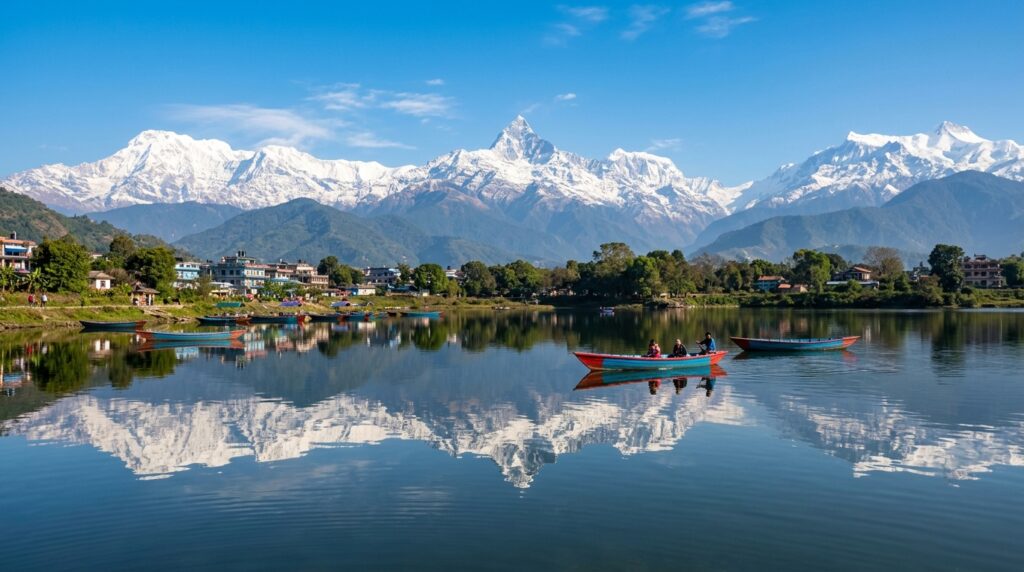
Overview Planning senior citizen travel in Pokhara Phewa Lake along with young children offers one of the most rewarding family vacation experiences in the Himalayas. Nestled in a scenic valley at an altitude of 827 meters, Pokhara provides a temperate climate, level walking promenades, and calm water vistas without high-altitude acclimatization risks. However, travelling with multi-generational family members—ranging from elderly grandparents to toddlers—requires targeted safety protocols. Key priorities include choosing stable boat dispatch points with mandatory fitted life jackets, selecting flat lakeside walking paths along Baidam, maintaining continuous hydration under high-altitude sun, pacing daily itineraries to avoid overexertion on temple staircases, and keeping reliable medical contacts handy. Acquiring a local tourist SIM card or eSIM immediately upon arrival ensures seamless communication across your group. By following these practical safety guidelines, Indori families can enjoy a peaceful, secure, and stress-free holiday in Pokhara. Local Logistical Advice for Indore Travelers Planning a multi-generational family holiday from Central India to Pokhara requires selecting transit routes that maximize physical comfort, managing climate transitions, and securing mobile connectivity before exploring the valley: 1. Transit & Route Options from Indore Air Transit (Recommended for Seniors & Children): Board a morning flight from Indore’s Devi Ahilya Bai Holkar Airport (IDR) to Kathmandu’s Tribhuvan International Airport (KTM) via a short layover in New Delhi (DEL) on IndiGo or Air India (total travel duration: 6 to 8 hours). From Kathmandu, take a 25-minute domestic flight directly to Pokhara International Airport (PKR) via Yeti Airlines, Buddha Air, or Shree Airlines. Opting for the internal flight eliminates the bumpy, 6 to 8-hour highway road trip via the Prithvi Highway, preserving energy for elderly family members and young kids. Overland Train & Private Vehicle Route: For families preferring rail travel, book first-class AC compartments on the Malwa Express or Gorakhpur Express from Indore Junction (INDB) to Gorakhpur Railway Station (GKP). From Gorakhpur, board a private luxury AC SUV (such as a Toyota Innova Crysta) to cross the Sonauli / Belahiya Indo-Nepal Border (approx. 3 hours). After immigration checks, continue along the Siddhartha Highway through Tansen and Palpa to Pokhara (approx. 7 to 8 hours). Plan structured 20-minute rest stops every 2 hours for senior stretch breaks. 2. Climate Transition: From Malwa Plateau to Annapurna Valley Indore travelers accustomed to dry semi-arid weather will experience Pokhara’s humid subtropical highland climate. While Pokhara sits at a comfortable altitude (827m), morning and evening breezes off the Annapurna mountain range can feel surprisingly chilly, especially between November and February when temperatures drop to 5°C–8°C. Midday temperatures remain pleasant (18°C–25°C), but UV intensity is high due to atmospheric clarity near the Himalayas. Senior citizens and children should dress in light breathable layers during daytime and carry windcheaters, warm caps, and high-SPF sunscreen. 3. International Mobile Connectivity & Tourist SIM Card Guidelines Standard Indian prepaid SIM cards (Jio, Airtel, Vi) lose regular network service or incur expensive international roaming rates immediately upon entering Nepal. Continuous connectivity is vital for tracking family members along crowded lake promenades, calling your private driver, or contacting medical facilities. Mandatory Tourist SIM / eSIM Acquisition: Purchase an Ncell or Nepal Telecom (NTC) tourist SIM card or activate an eSIM immediately upon landing at Kathmandu Airport (arrivals hall counters) or from authorized telecom shops along Pokhara Lakeside (Baidam). Required Documents: Carry original Indian Passports or Voter ID Cards, one photocopy per applicant, and 1 passport-sized photograph. Cost & Validity: Standard tourist SIM packages cost NPR 300 to NPR 500 (~INR 190 to INR 315) and include 10GB to 25GB of high-speed data plus local talk-time valid for 7 to 14 days. 4. Mandatory Identity Proofs & Currency Protocols Accepted ID Proofs: Indian citizens do not require a visa for Nepal. Adults must carry either an original Indian Passport (valid for at least 6 months) OR an original Voter Identity Card. For children under 18 travelling without a passport, carry an original School Identity Card along with their official Birth Certificate. *Aadhaar cards, PAN cards, and driving licenses are NOT accepted at airport immigration.* Currency Tips: Indian currency notes of INR 100, 50, 20, and 10 denominations are accepted across Pokhara boat stands, cafes, and taxis. Notes of INR 500 are restricted by Nepalese banking regulations. International debit and credit cards work at major Lakeside ATMs to withdraw Nepalese Rupees (NPR). Complete Details & Practical Guidelines 1. Phewa Lake Boat Ride Safety Checklist for Seniors & Kids Phewa Lake is Pokhara’s centerpiece, but embarking on wooden boats requires strict safety measures when travelling with elderly parents and children: Use Official Boarding Piers: Always board boats from Barahi Ghat or Gaurighat. These primary piers feature wide concrete steps, handrails, and trained station staff who assist passengers. Avoid unpaved or muddy informal embarkation banks. Mandatory Fitted Life Jackets: The Armed Police Force and Pokhara Boatmen Association strictly require all passengers to wear life jackets before launching. Ensure young children are fitted with pediatric life jackets featuring secure crotch straps, and verify that senior citizens have front-zippered adjustable vests fastened properly. Select Stability Over Speed: Choose traditional double-oar wooden boats (*Doonga*) operated by experienced local rowers. Avoid small self-rowed kayaks or paddle boats when accompanied by seniors or kids. Optimal Boating Hours: Schedule boat trips between 7:00 AM and 10:00 AM when the lake surface is mirror-calm and winds are minimal. Avoid late afternoon boating (after 3:30 PM) when thermal mountain squalls can create sudden surface waves. Tal Barahi Island Temple Visit: The boat ride to Tal Barahi Temple takes just 10 minutes from Barahi Ghat. Ensure family members hold onto seniors’ arms when stepping onto the island’s floating dock, as water movement can cause slight swaying. Boat Service Type Standard Capacity Approx. Rate (NPR) Approx. Rate (INR) Safety Notes for Families Wooden Boat with Rower (1 Hour) 4 to 6 Persons NPR 600 – NPR 1,000 INR 375 – INR 625 Sturdy wooden hull; ideal for scenic photo rides Tal Barahi Temple Round-Trip 4 to 6 Persons NPR 500 – NPR 700 INR 310 – INR