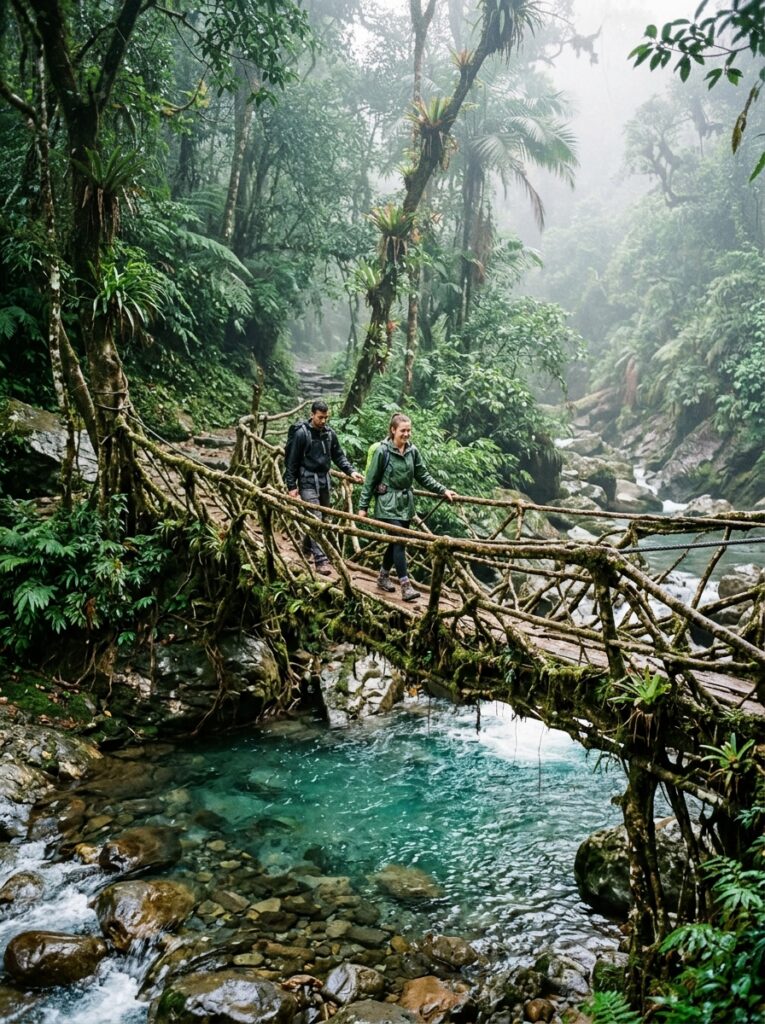
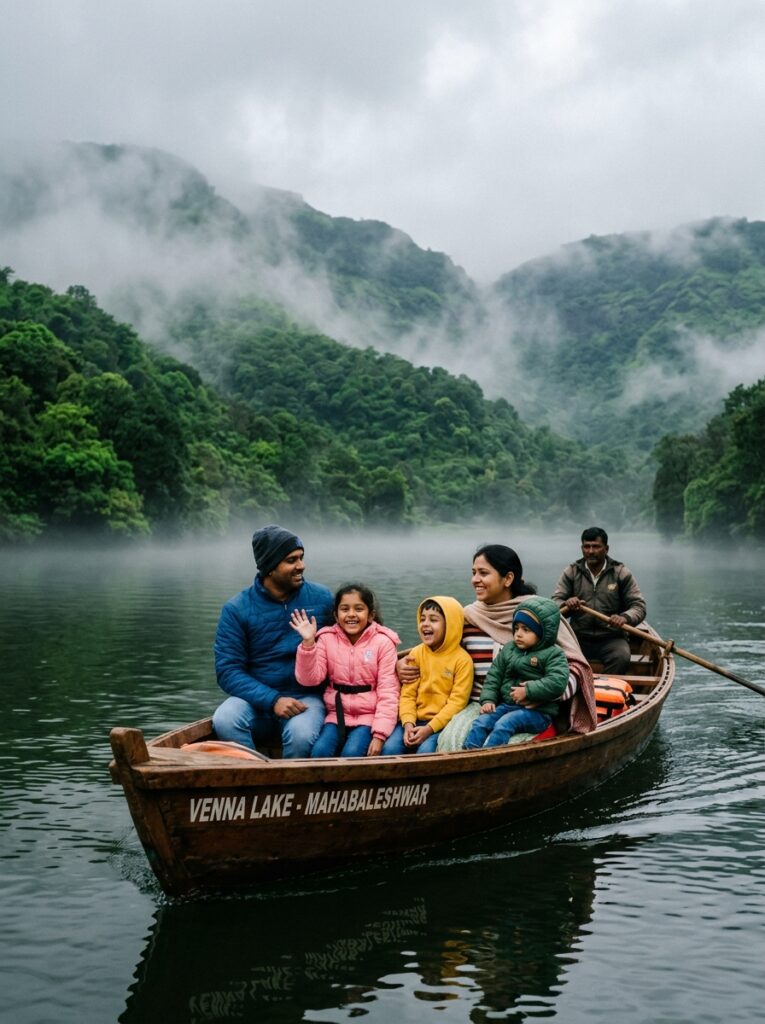
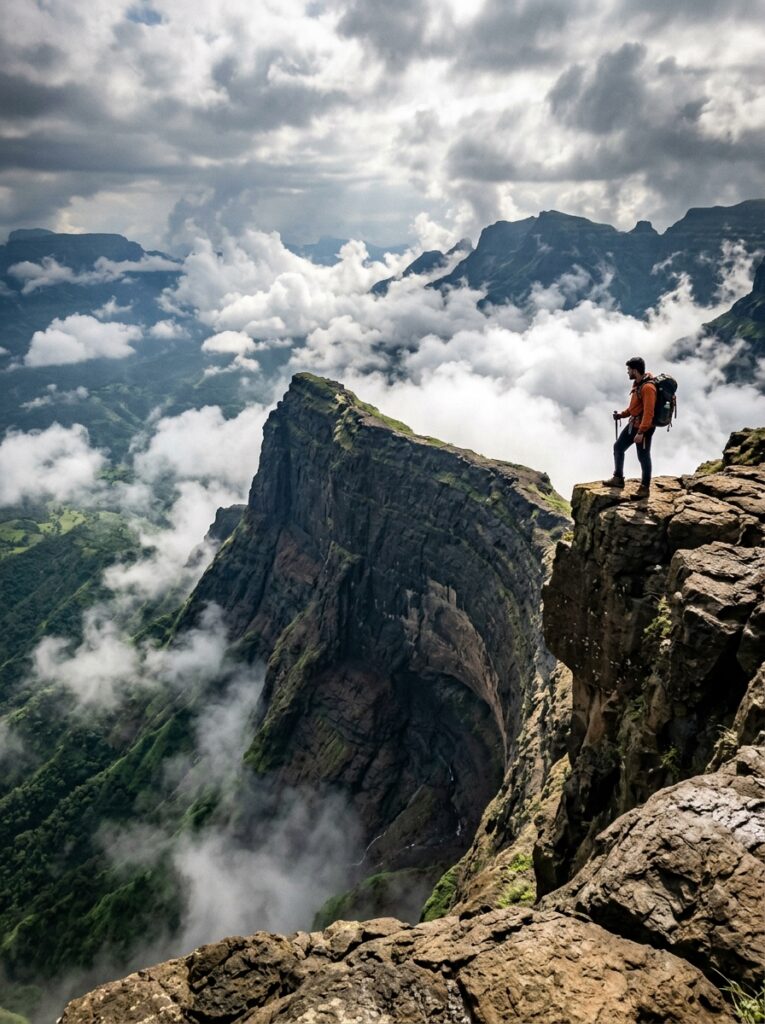
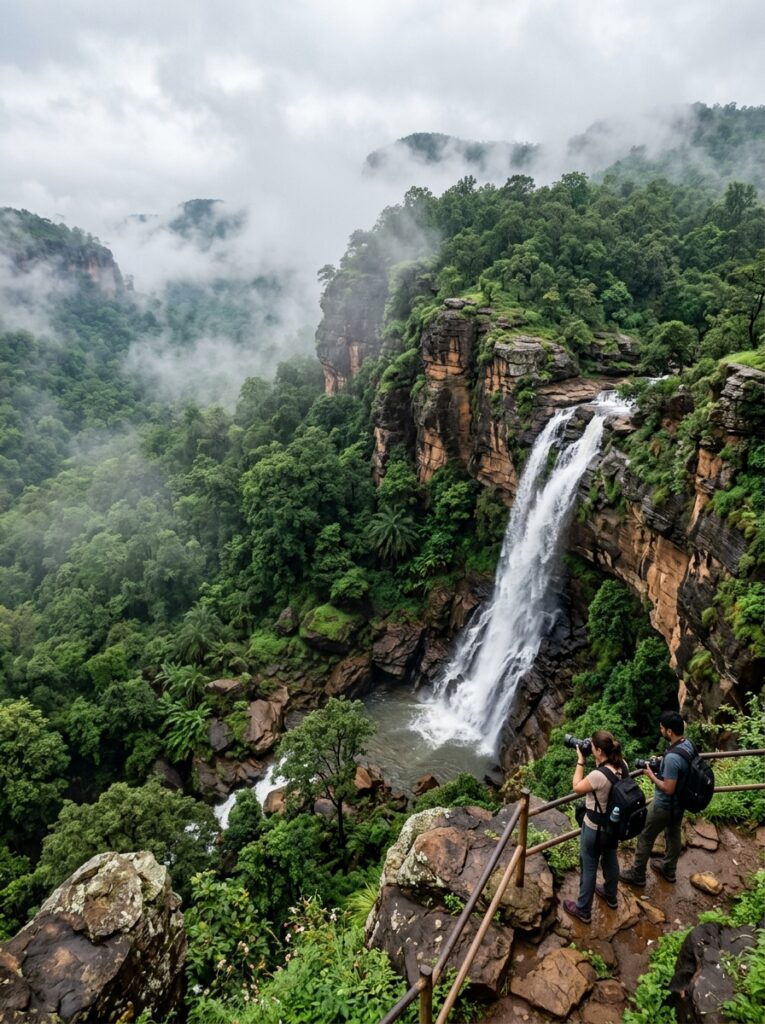
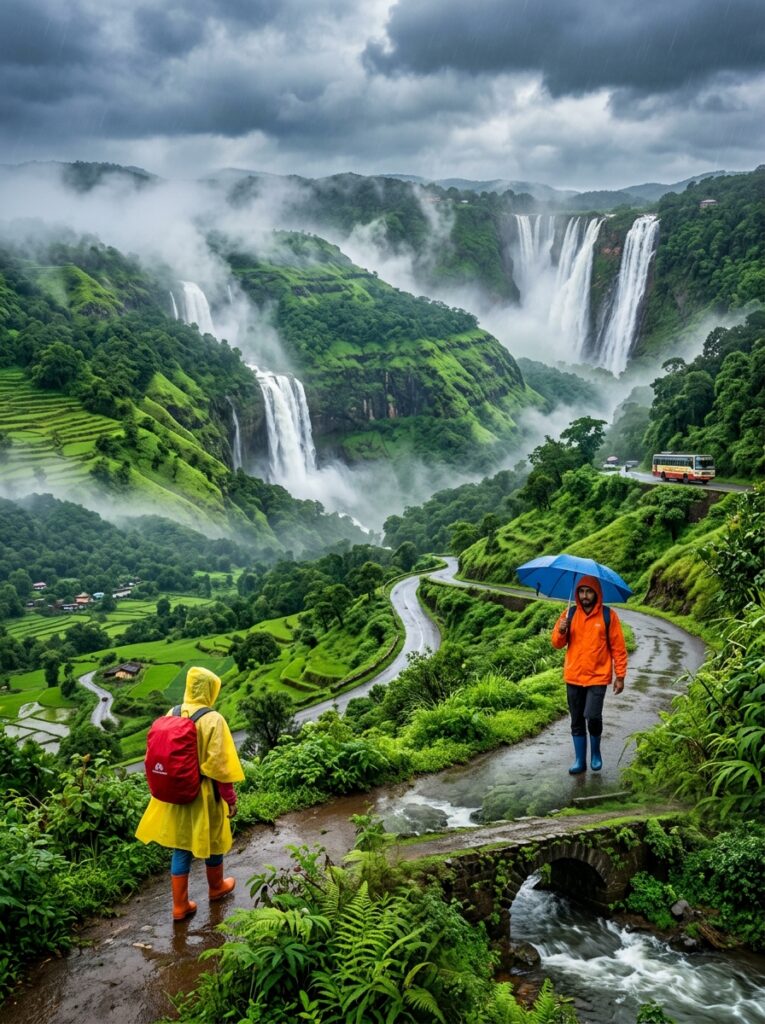
Focus Keyword: best hill stations in July SEO Title: Top 10 Indian Hill Stations that Look Beautiful in the Rain (July Special) Meta Description: Looking for the best hill stations in July? Check out our list of top 10 rain-washed destinations in India for scenic vacations. Permalink Slug: top-hill-stations-india-july — There is something inherently poetic about the monsoon. As the scorching summer heat recedes, the skies open up, transforming India’s vast landscapes into a lush, green paradise. While many travelers choose to stay indoors during the rainy season, seasoned explorers know that July is the absolute best time to visit India’s hill stations. If you want to experience misty mornings, cascading waterfalls, dew-kissed tea estates, and clouds floating directly into your balcony, planning a mountain getaway in July is unmatched. In this comprehensive guide, we profile the top 10 hill stations in India that come alive under the showers of July. We also look at what makes them special, how to plan your itinerary, and how to travel safely. — Why July is the Golden Month for Hill Station Travel Before diving into our top list, let’s look at why visiting hill stations in July is a rewarding experience: Lush, Rejuvenated Nature: Forests, valleys, and meadows achieve their peak green color, washed clean of dust and pollution. Active Waterfalls: Seasonal waterfalls that remain dry throughout the year roar back to life with spectacular force. Fewer Crowds & Budget Friendly: July falls under the shoulder season for many regions, meaning you can enjoy popular viewpoints without tourist crowds and get luxury resorts at highly discounted prices. The Romantic Mist: The dramatic play of clouds and mist winding through pine trees and valleys creates a surreal, romantic setting. — Detailed Profile of the Top 10 Hill Stations 1. Munnar, Kerala: The Emerald Tea Paradise Munnar in July is nothing short of a dream. Located in the Western Ghats of Kerala, this popular hill station is famous for its sprawling tea plantations, winding roads, and mist-covered peaks. During the monsoon, the tea leaves turn a vibrant shade of green, and the air carries the fresh aroma of wet earth and tea leaves. Why Visit in July: The rainfall turns Munnar’s waterfalls, like Attukad and Lakkam, into roaring spectacles. The temperature stays cool, ranging between 18°C and 22°C. Top Attractions: Eravikulam National Park (home to the Nilgiri Tahr), Anamudi Peak, Mattupetty Dam, Kundala Lake, and Lockhart Gap. How to Reach: The nearest airport is Cochin International Airport (110 km away), and the nearest major railway station is Aluva (110 km away). Road trips from Kochi are scenic and highly recommended. 2. Coorg, Karnataka: The Scotland of India Coorg (Kodagu) is a lush highland district in Karnataka famed for its misty hills, coffee plantations, and spice gardens. In July, the southwest monsoon is at its peak, turning the entire region into a verdant sanctuary. Why Visit in July: The coffee estates look fresh and vibrant, and the waterfalls are at their peak flow. Coorg in July is ideal for cozy stays at homestays, sipping freshly brewed local coffee while watching the rain. Top Attractions: Abbey Falls, Iruppu Falls, Raja’s Seat (panoramic sunset viewpoint), Talakaveri (the origin of the Kaveri River), and Dubare Elephant Camp. How to Reach: The nearest airport is Kannur International Airport (90 km away) or Mangalore (135 km away). It is well-connected by road from Bangalore (260 km away). 3. Valley of Flowers, Uttarakhand: A UNESCO Alpine Wonderland For adventure seekers and nature enthusiasts, the Valley of Flowers in Chamoli, Uttarakhand, is a bucket-list destination. This alpine valley remains covered in snow for most of the year and opens to visitors only from June to October. Why Visit in July: July marks the beginning of the peak blooming season. Thousands of varieties of wild alpine flowers—including the rare blue poppy and Brahma Kamal—paint the valley floor in shades of pink, yellow, blue, and purple. Top Attractions: The 17 km trek from Govindghat, Hemkund Sahib (holy Sikh shrine located nearby), and the stunning Pushpawati River. How to Reach: The nearest airport is Jolly Grant Airport in Dehradun (290 km from Govindghat). From there, you drive to Govindghat and trek 13 km to Ghangaria, which serves as the base camp. 4. Mahabaleshwar, Maharashtra: The Land of Strawberries and Mist Mahabaleshwar is the jewel of the Sahyadri range in Maharashtra. Receiving heavy rainfall, it is transformed into a misty wonderland where clouds sweep across the roads and viewpoints. Why Visit in July: The iconic Venna Lake is enveloped in a thin sheet of mist, and the surrounding viewpoints offer dramatic vistas of deep valleys filled with clouds. Top Attractions: Arthur’s Seat, Kate’s Point, Elephant’s Head Point, Lingmala Waterfall, and Venna Lake. How to Reach: Pune Airport is the closest airport (120 km away), and Wathar is the closest railway station (60 km away). It is an easy 5-hour drive from Mumbai (260 km). 5. Cherrapunji & Shillong, Meghalaya: The Land of Clouds If you want to experience rain in its grandest form, head to Meghalaya. Cherrapunji (Sohtra) and nearby Shillong offer a dramatic monsoon landscape filled with deep gorges, massive waterfalls, and unique tribal engineering. Why Visit in July: The monsoon rains showcase Cherrapunji’s waterfalls at their absolute peak, including Nohkalikai, the tallest plunge waterfall in India. Top Attractions: Double Decker Living Root Bridges, Nohkalikai Falls, Seven Sisters Falls, Mawsmai Cave, Umiam Lake, and Laitlum Canyons. How to Reach: The nearest major airport and railway station is in Guwahati, Assam (120 km from Shillong). Cabs are readily available for a beautiful uphill drive. 6. Lonavala & Khandala, Maharashtra: The Classic Monsoon Escapes Located just a short drive from Mumbai and Pune, the twin hill stations of Lonavala and Khandala are synonymous with monsoon getaways. The entire region turns emerald green, with hundreds of temporary waterfalls springing up along the highway. Why Visit in July: It is the best time to experience Tiger’s Point (Tiger’s Leap) surrounded by heavy mist and winds, and enjoy hot