
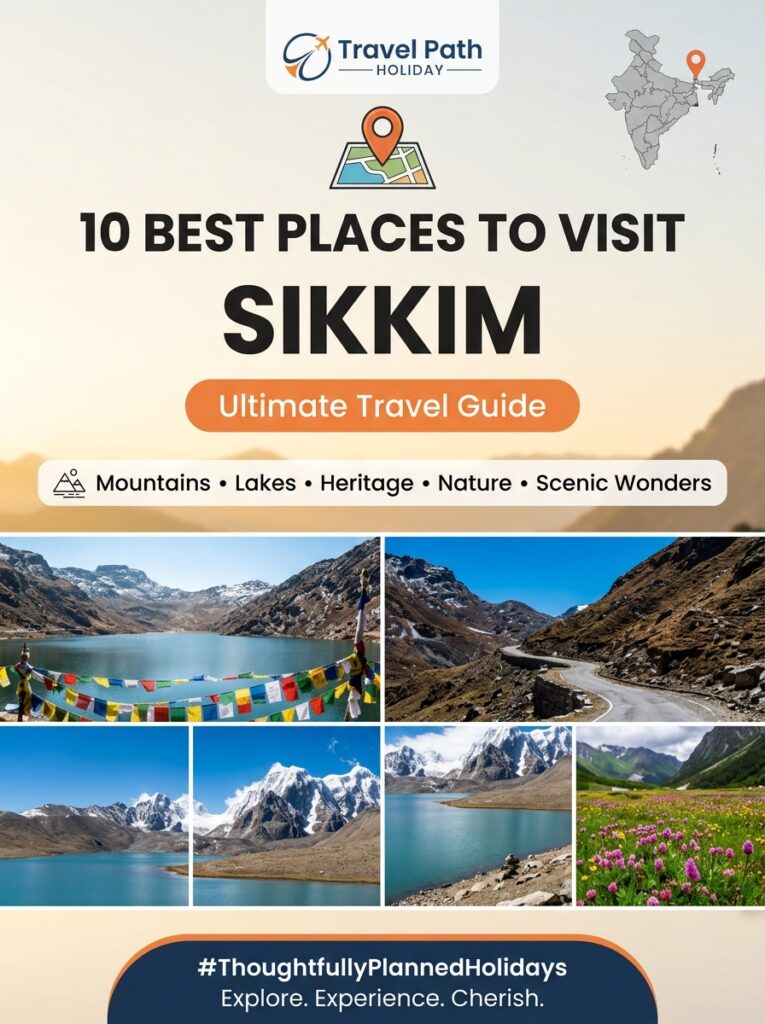
Sikkim & Northeast

Seniors & Kids Safe Travel Guidelines in Nathula Pass Border

Overview Standing at a formidable elevation of 14,140 feet (4,310 meters) above sea level along the Indo-China border in East Sikkim, Nathula Pass offers one of the most thrilling high-altitude border experiences in Asia. However, for multi-generational families traveling with senior citizens and young children, ascending to an altitude where available oxygen levels drop by nearly 40% compared to sea level requires meticulous health planning, gradual acclimatization, and strict safety adherence. When planning senior citizen travel in Nathula Pass Border, families must account for steep concrete staircases, freezing sub-zero winds, wet icy pathways, and rapid barometric changes. From understanding viewing gallery safety rails and avoiding physical overexertion to stocking portable oxygen canisters and knowing the exact emergency medical infrastructure—including Indian Army high-altitude medical posts and Gangtok’s premier STNM Hospital—this comprehensive safety guide is designed to protect your loved ones. Created by the editorial and logistics specialists at Travel Path Holiday, this guide ensures that Indori families can experience the wonder of the Himalayan border comfortably, safely, and with complete peace of mind. Local Logistical Advice for Indore Travelers Traveling from the low-altitude Malwa plateau in Indore (altitude approx. 550 meters) to the extreme high-altitude terrain of Nathula Pass (14,140 feet) represents a massive environmental transition. For senior citizens whose cardiovascular systems adapt more slowly, and young children whose bodies are sensitive to sudden atmospheric shifts, proper route planning from Central India is essential. Flight, Train & Road Coordinates from Indore Air Travel via Indore (IDR): The most comfortable and time-efficient route for multi-generational families departing from Indore is flying from Devi Ahilya Bai Holkar Airport (IDR) to Bagdogra International Airport (IXB) in West Bengal. Major airlines including IndiGo and Air India operate convenient connecting flights via New Delhi (DEL) or Kolkata (CCU), with total travel durations ranging between 4.5 to 6.5 hours. During specific operational seasons, connecting flights to Pakyong Airport (PYG) (30 km from Gangtok) may also be available. Comfortable Highway Transfer (NH10): From Bagdogra Airport or New Jalpaiguri Railway Station (NJP), Gangtok lies 125 km away. The 4.5 to 5.5-hour drive winds through the Teesta River Valley along National Highway 10. For seniors and kids, avoid cramped shared taxis. Travel Path Holiday arranges private, well-cushioned commercial vehicles like the Toyota Innova Crysta, ensuring a smooth, shock-absorbent ride up the winding mountain roads. Rail Connection Options: Senior citizens who prefer train travel can take the Indore-Howrah Shipra Express (22911) or the Kamakhya Express (19305) from Indore Junction (INDB) or Ujjain Junction (UJN) to Howrah/NJP, followed by a private high-comfort cab transfer up to Gangtok. Climate Transition & Acclimatization Protocol for Indori Travelers Malwa to Himalaya Shock: Indore’s dry, tropical climate (typically 22°C to 38°C) contrasts sharply with Nathula’s sub-zero alpine conditions, where temperatures frequently plunge between 0°C and -10°C even during spring afternoons. Mandatory 48-Hour Gangtok Acclimatization: Senior citizens and young children should never travel directly from Bagdogra to Nathula Pass on the same day or next morning. A minimum stay of 24 to 48 hours in Gangtok (5,410 feet) is mandatory. This pause allows red blood cells to adjust to lower barometric pressure before ascending to 14,140 feet. Mobile Connectivity & MP Prepaid SIM Roaming Guidelines National Roaming Confirmation: Families traveling from Madhya Pradesh can rest assured that standard prepaid SIM cards registered in MP (Indore telecom circle – Airtel, Jio, Vi) work perfectly under national roaming in Sikkim. Unlike Jammu & Kashmir or Ladakh—where non-local prepaid SIM cards are blocked—Sikkim follows standard national roaming regulations. Border Coverage Gaps: While 4G/5G mobile signals are strong throughout Gangtok, coverage becomes spotty past Tsomgo Lake and completely drops near the high-altitude Nathula border post. Ensure physical printed copies of permits, emergency contacts, hotel vouchers, and medical prescriptions are kept in hand baggage. Pure Vegetarian Dining & Hydration Logistics Dietary Comfort for Indori Palates: Finding hygienic, familiar food is vital for seniors and children at high altitudes. Gangtok offers numerous dining establishments serving hand-vetted vegetarian options and freshly cooked pure vegetarian dishes. High-Altitude Thermos Support: Cold water can trigger throat infections and stomach cramps at high elevations. TPH vehicle bookings include heavy-duty insulated thermos flasks filled with hot drinking water or warm herbal tea to keep seniors and kids hydrated throughout the steep 54 km ascent from Gangtok. Complete Details & Practical Guidelines “` Nathula Pass Senior & Kid Elevation Profile +—————————————————————+ Gangtok (5,410 ft) : Base station for acclimatization Tsomgo Lake (12,310 ft) : Mid-way rest stop & tea break Baba Mandir (13,123 ft) : Army shrine & hot water stop Nathula Border (14,140 ft) : ~40% lower oxygen level & steps +—————————————————————+ “` 1. High-Altitude Physics, Oxygen Drop & AMS Symptoms at 14,140 Feet At an elevation of 14,140 feet, atmospheric barometric pressure drops drastically. The effective oxygen available per breath is approximately 40% lower than at sea level or in Indore. This creates an environment where Acute Mountain Sickness (AMS) can manifest rapidly if precautions are ignored. #### Identifying AMS Symptoms in Senior Citizens Senior travelers may experience pre-existing cardiovascular or respiratory sensitivities. Watch closely for early signs: Persistent throbbing headache across the temples or forehead Uncharacteristic fatigue, lightheadedness, or sudden dizziness Shortness of breath while walking on flat ground Nausea, vomiting, or loss of appetite Tightness in the chest or elevated resting pulse rate #### Identifying AMS Symptoms in Young Children Young children (especially under 8 years old) may not be able to articulate high-altitude discomfort verbally. Parents should monitor for: Unusual irritability, continuous crying, or extreme fussiness Refusal to eat snacks or drink water Extreme lethargy, excessive drowsiness, or reluctance to stand up Rapid, shallow breathing or pale/bluish lips and fingernails #### Immediate Action & Portable Oxygen Canister Usage Portable Oxygen Canisters (Oxygize / O2 Cans): Available in Gangtok pharmacies and authorized tourist shops for approximately ₹500 to ₹700 per canister. These lightweight, portable oxygen cans supply 3-5 minute bursts of pure oxygen through an attached breathing mask. They provide vital temporary relief while descending. Medical Consultation: Senior citizens with hypertension, diabetes, or cardiac conditions

Sikkim & Northeast

Packing Guide for Yumthang Valley of Flowers: Summer vs Winter Wear

Overview Nestled at an altitude of 11,690 feet (3,568 meters) in North Sikkim, Yumthang Valley—popularly known as the “Sikkim Valley of Flowers”—is a breathtaking alpine sanctuary where snow-capped Himalayan peaks frame sprawling valleys, hot thermal springs, and dense rhododendron forests. For travelers departing from Central India, particularly from Indore and the broader Malwa region, visiting Yumthang is a spectacular shift in landscape, elevation, and climate. While Indore experiences warm, tropical dry weather for most of the year, Yumthang Valley presents extreme alpine conditions where temperatures plummet below freezing during winter and stay crisp and cool throughout the summer bloom. Preparing an accurate packing list for Yumthang Valley of Flowers is the single most critical step in ensuring your high-altitude holiday is comfortable, safe, and memorable. During the freezing winter season (December to March), sub-zero winds, heavy snowfall, and icy trails necessitate heavy down jackets, high-grade thermal innerwear, fleece-lined waterproof boots, and insulated gloves. Conversely, during the vibrant summer bloom (April to June), the valley warms up to a pleasant temperature range, requiring breathable layering, light cardigans, fleece jackets, waterproof footwear for damp trails, and UV protection. This comprehensive packing guide offers concrete season-by-season clothing advice, footwear guidelines, high-altitude health recommendations, and practical logistical tips designed specifically for Indori travelers exploring North Sikkim. Local Logistical Advice for Indore Travelers Transit Coordinates: Flying and Rail Routes from Indore Reaching North Sikkim from Madhya Pradesh involves traversing across Central India to the Eastern Himalayas. Here are the most efficient transit routes from Indore to your North Sikkim starting point: Flight Connections (Fastest Route): Board a direct or single-layover flight from Indore’s Devi Ahilya Bai Holkar Airport (IDR) to Bagdogra International Airport (IXB) in West Bengal or Pakyong Airport (PYG) in Sikkim. A convenient choice is the morning IndiGo flight departing Indore at 06:40 AM with a brief layover at New Delhi (DEL) or Kolkata (CCU), landing at Bagdogra by 11:30 AM. From Bagdogra, Gangtok is a 4.5 to 5-hour drive (120 km via NH10). Train Connections (Budget Friendly): Travelers preferring rail travel can take the Indore–Kamakhya Express (19305) directly towards the North-East, or take the Shipra Express (22911) from Indore Junction (INDB) to Howrah Junction (HWH) in Kolkata. From Howrah or Sealdah, multiple daily trains including the Howrah–NJP Shatabdi Express or Padatik Express connect directly to New Jalpaiguri (NJP) railway station. Onward Drive to Yumthang: From Gangtok, Yumthang Valley is located 140 km north. The journey requires a two-day itinerary with an overnight halt at Lachung village (8,610 ft). The 110 km drive from Gangtok to Lachung takes 6 to 7 hours along the North Sikkim Highway, followed by a 26 km uphill drive (1.5 hours) from Lachung to Yumthang Valley the next morning. “` +———————————————————————————–+ INDORE TO YUMTHANG TRANSIT ROUTE +———————————————————————————–+ 1. INDORE (IDR Airport / INDB Station) v [Flight via DEL/CCU ~5.5 hrs OR Train to NJP ~30-36 hrs] 2. BAGDOGRA AIRPORT (IXB) / NEW JALPAIGURI (NJP) v [NH10 Scenic Mountain Highway ~120 km 4.5 to 5 hrs] 3. GANGTOK (7,100 ft) — Overnight Stay & Permit Clearance v [North Sikkim Highway ~110 km 6 to 7 hrs] 4. LACHUNG VILLAGE (8,610 ft) — Overnight Base Camp v [Uphill Drive ~26 km 1.5 hrs] 5. YUMTHANG VALLEY OF FLOWERS (11,690 ft) & ZERO POINT (15,300 ft) +———————————————————————————–+ “` Climate Transition & Temperature Differences Travelers moving from Indore’s low-humidity, tropical climate (where summer temperatures hover between 32°C and 42°C and winter temperatures rarely drop below 10°C) must prepare for drastic atmospheric shifts: Indore Baseline: 12°C to 40°C across the year, high solar exposure, flat terrain. Yumthang Valley Summer (April–June): Daytime 8°C to 18°C; Nighttime 2°C to 6°C. High UV intensity, spring showers. Yumthang Valley Winter (Dec–March): Daytime -2°C to 5°C; Nighttime -15°C to -5°C. Sub-zero winds, heavy snow cover, frozen lakes. Mobile Network & SIM Card Guidelines (National Roaming) A common query among Central India travelers is whether mobile connectivity will function in North Sikkim border zones. MP Prepaid SIM Compatibility: Standard prepaid SIM cards purchased in Madhya Pradesh (MP) work perfectly under national roaming throughout Sikkim. Unlike Jammu & Kashmir or Ladakh where domestic prepaid SIMs get blocked, standard MP prepaid lines remain fully functional. Network Performance: Airtel, BSNL, and Jio operate seamlessly in Gangtok, Mangan, and Chungthang. As you approach Lachung and Yumthang Valley, BSNL and Airtel provide the most resilient voice and data signals. Beyond Yumthang Valley towards Zero Point (Yumesamdong at 15,300 ft), cellular signals drop completely due to military border restrictions and extreme altitude. It is advisable to complete all urgent calls and downloading of digital travel passes while at your hotel in Lachung. Gear Sourcing: Shopping in Indore vs Local Rentals in Lachung Buy in Indore: High-quality base layers (merino wool or thermal synthetic sets), polar fleece sweaters, woolen caps, neck warmers, UV sunglasses, and thermal socks should be purchased in Indore prior to departure. Reliable winterwear stores can be found along MG Road, near Treasure Island Mall, Malhar Mega Mall, and local woolen markets around Rajwada. Rent in Lachung/Yumthang: Heavy snow rubber gumboots, extra heavy floor-length windproof coats, and snow sticks can easily be rented at local shops in Lachung Market or at the Yumthang Checkpost for nominal fees ranging between ₹100 and ₹200 per day. Renting heavy boots locally saves significant luggage weight during your flight from Indore. Complete Details & Practical Guidelines Seasonal Comparison: Summer vs Winter at Yumthang Valley Feature / Requirement Summer Season (April to June) Winter Season (December to March) Daytime Temperature 8°C to 18°C -2°C to 5°C Nighttime Temperature 2°C to 8°C -15°C to -5°C Primary Attraction Blooming Rhododendrons, Primulas, Lush Greenery Snow-covered alpine landscapes, frozen rivers, Zero Point snow play Base Layers Light cotton/synthetic t-shirts + 1 light thermal top Heavy duty thermal innerwear top & bottom (Merino wool / fleece-lined) Outerwear Light cardigan, polar fleece jacket, windbreaker Heavy down jacket (-10°C to -20°C rated), waterproof parka Footwear Comfortable waterproof hiking shoes with tread soles Insulated snow boots or heavy rented rubber gumboots with thick wool socks

Sikkim & Northeast

Weekend Getaway from Indore to Gangtok MG Marg: Itinerary

Overview Trading the dry heat of Malwa’s plateau for the crisp, pine-scented air of the Eastern Himalayas is the ultimate refreshing break for Central Indian travelers. A weekend trip to Gangtok MG Marg from Indore offers the perfect blend of high-altitude serenity, rich Tibetan Buddhist heritage, and vibrant promenade culture. Nestled at an elevation of 5,410 feet, Gangtok serves as the gateway to Sikkim’s natural wonders, with its crown jewel—Mahatma Gandhi Marg (MG Marg)—standing out as India’s first vehicle-free, litter-free pedestrian boulevard. Lined with Victorian-style lamp posts, flower-laden benches, artisanal boutiques, and cozy mountain cafes, MG Marg comes alive every evening with local music and mountain hospitality. This curated 3-Day/2-Night weekend itinerary from Indore takes you from the bustling streetscapes of MG Marg to the spiritual halls of Rumtek Monastery, soaring heights on the Gangtok Cable Car, and the lush cascades of Ban Jhakri Waterfalls, all while ensuring comfortable transit and hand-vetted pure vegetarian dining options throughout your journey. Local Logistical Advice for Indore Travelers Planning a seamless weekend getaway from Indore to Sikkim requires precise travel coordination to maximize your time in the mountains. Below are key practical logistics for travelers departing from Madhya Pradesh: Flight Routes & Timings: Depart from Indore’s Devi Ahilya Bai Holkar Airport (IDR) on an early morning flight (typically via IndiGo or Air India) with a short layover in New Delhi (DEL) or Kolkata (CCU). Aim to land at Bagdogra Airport (IXB) near Siliguri by 11:30 AM or 12:30 PM. Alternatively, direct connecting flights to Sikkim’s Pakyong Airport (PYG, ~30 km from Gangtok) operate seasonally, though Bagdogra remains the most reliable all-weather airport choice. Bagdogra to Gangtok Mountain Transit: From Bagdogra Airport, Gangtok is located approximately 125 kilometers away. The scenic drive via National Highway 10 (NH10) runs alongside the roaring turquoise waters of the Teesta River. Pre-booking a private Innova Crysta ensures a smooth 4.5 to 5-hour hill climb. You will cross the West Bengal–Sikkim border checkpost at Rangpo, where quick permit checks take under 10 minutes. Railway Connections: For travelers seeking an extended weekend or rail journey, superfast trains connect Indore Junction (IDR) and Bhopal (Habibganj/Rani Kamlapati) to New Jalpaiguri (NJP). From NJP railway station, Gangtok is a 4.5-hour private cab drive. However, for a 3-Day/2-Night weekend window, air travel via Bagdogra is strongly recommended. Climate & Clothing Transition: Transitioning from Indore’s tropical semi-arid climate (25°C to 38°C) to Gangtok’s temperate mountain climate requires smart layering. Temperatures in Gangtok range between 10°C and 20°C in spring and autumn, dropping to 5°C or lower on winter evenings. Pack thermal innerwear, light fleece jackets, a windbreaker, comfortable sneakers for walking on MG Marg’s cobblestone pathways, and a compact rain umbrella for sudden mountain drizzles. Mobile Network & Roaming: Travelers from MP will be glad to know that standard prepaid SIM cards (Airtel, Jio, and Vi) registered in Madhya Pradesh work seamlessly under national roaming across Gangtok and surrounding tourist zones. High-speed 4G/5G data, voice calls, and digital UPI payments function smoothly throughout MG Marg and major hotel hubs. Complete Details & Practical Guidelines 3-Day / 2-Night Gangtok & MG Marg Weekend Itinerary #### Day 1: Flight from Indore to Bagdogra, Teesta River Drive & MG Marg Promenade Experience Morning Flight & Arrival: Board your early flight from Indore (IDR) connecting via Kolkata/Delhi to arrive at Bagdogra (IXB) around mid-day. Your private chauffeur will meet you at the terminal arrivals. Scenic Teesta Highway Drive (12:00 PM – 04:30 PM): Ascend into the Eastern Himalayan foothills along NH10. Pause near the iconic Coronation Bridge at Sevoke or at Teesta Bazaar for fresh mountain tea and panoramic photos of the Teesta river valley. Cross the Rangpo border entry gate into Sikkim. Hotel Check-In & Refreshment (05:00 PM): Arrive in Gangtok and check into your hotel located within walking distance of MG Marg. Unwind with a steaming cup of Sikkim Temi Tea. Evening MG Marg Promenade Walk (06:00 PM – 09:30 PM): Step out onto the paved, vehicle-free boulevard of MG Marg. Admire the illuminated fountains, ornate bench seating, and festive mountain vibe. Handicraft Shopping: Explore Sikkim Government Handicraft Emporium and local boutiques to buy authentic Tibetan Thangka paintings, hand-carved wooden folding tables (*Choktse*), prayer wheels, handwoven woolens, organic Temi Tea, and handmade brass souvenirs. Pure Vegetarian Evening Dining: Enjoy a relaxed dinner at hand-vetted pure vegetarian outlets along MG Marg, such as Rasoi Pure Veg Restaurant or Sikkim Agarwal Pure Veg. Savor piping hot vegetable steamed momos, Tibetan vegetable thukpa with fresh mountain greens, paneer specialities, and freshly fried gulab jamuns. #### Day 2: Rumtek Monastery, Gangtok Cable Car & Ban Jhakri Waterfalls Morning Spiritual Visit to Rumtek Monastery (08:30 AM – 11:30 AM): After breakfast, drive 24 kilometers southwest of Gangtok to Rumtek Monastery (Dharma Chakra Centre), the seat of the Gyalwang Karmapa. Marvel at the traditional Tibetan monastic architecture, vibrant wall frescoes, sacred golden stupas, and peaceful prayer halls set against rolling green mountain ridges. Gangtok Cable Car Aerial Ropeway (12:00 PM – 01:30 PM): Return to Gangtok and head to the Deorali Ropeway Station. Ride the Gangtok Cable Car (ticket approx. ₹160 per person) for a 1-kilometer bi-cable zigzag ride to Tashiling Secretariat. Enjoy thrilling 360-degree aerial views of Gangtok town, deep green ravines, and the snow-capped peak line of Mt. Kanchenjunga. Afternoon Exploration at Ban Jhakri Waterfalls & Energy Park (02:00 PM – 04:30 PM): Proceed to Ban Jhakri Falls, a stunning 100-foot natural cascading waterfall located inside a lush 2-acre landscaped park. Walk across footbridges, admire traditional ethnic Sikkimese Shamanic (Jhakri) stone sculptures, and enjoy the tranquil forest atmosphere. Cultural Stops: En route back, pause at the Namgyal Institute of Tibetology to view rare Buddhist manuscripts and bronzes, and circumambulate the neighboring Do-Drul Chorten stupa with its 108 prayer wheels. Evening Leisure & Cafe Culture (05:30 PM – 09:00 PM): Spend your second evening back on MG Marg. Relax at cozy mountain cafes like The Baker’s Cafe or Cafe Live & Loud, sipping warm chocolate or herbal teas while listening to

Sikkim & Northeast

Hidden Gems and Quiet Spots in Pelling Pemayangtse Monastery: Offbeat Guide

Overview Perched at an elevation of 2,150 meters (7,200 feet) in the scenic West Sikkim hills, Pelling is world-renowned for its front-row views of the mighty Mount Kanchenjunga (8,586 meters). While most commercial travel itineraries usher visitors through quick photographic pitstops at crowded viewpoints, the true soul of West Sikkim lies in its serene, sacred sanctuary walks and undisturbed offbeat corners. At the center of this spiritual landscape stands Pemayangtse Monastery—one of Sikkim’s oldest and most prestigious Nyingma Buddhist monasteries, established in 1705 by Lhatsun Chenpo. Beyond its famous three-story main shrine and intricate wooden carvings, Pelling holds a treasure trove of hidden quiet spots, moss-draped ancient walking trails, wish-fulfilling lakes, organic orange orchards, and traditional tribal villages. For travelers journeying from Indore and Central India, stepping into Pelling is an invitation to swap the noisy rhythms of urban life for pristine Himalayan silence, crisp mountain air, and profound cultural immersion. Whether you wish to walk the meditative cobble paths of Sanga Choeling, meditate on the misty banks of Khecheopalri Lake, or wander through the royal stone ruins of Rabdentse, this offbeat guide curated by Travel Path Holiday brings you the finest hidden gems in and around Pelling and Pemayangtse Monastery. Local Logistical Advice for Indore Travelers Planning a journey from the Malwa plateau of Indore to the high Himalayas of West Sikkim requires well-coordinated travel logistics. Here is everything Indori travelers need to know to ensure a comfortable and hassle-free transit. Flight Coordinates from Indore (IDR) Departure Airport: Devi Ahilya Bai Holkar Airport (IDR), Indore. Arrival Airport: Bagdogra International Airport (IXB), West Bengal (the primary and most reliable gateway for Sikkim). Alternatively, seasonal flights connect to Pakyong Airport (PYG) near Gangtok, though Bagdogra offers maximum flight frequency. Connecting Flight Routes: Direct or 1-stop flights operate daily from Indore to Bagdogra via New Delhi (DEL), Kolkata (CCU), or Mumbai (BOM) on IndiGo, Air India, and Vistara. Travel Duration: Average flight duration ranges between 4.5 to 6.5 hours depending on layover duration in Delhi or Kolkata. Train Route Alternative (Indore to NJP) Railway Gateway: New Jalpaiguri Railway Station (NJP) near Siliguri. Train Connection: Travel via the Indore–Kamakhya Weekly Express (19305) or take direct superfast trains from Indore to Howrah/Sealdah (Kolkata) and transfer to the Shatabdi Express or Vande Bharat Express to NJP. Transit Time: Approximately 34 to 36 hours overall train travel. Scenic Mountain Drive: NJP / Bagdogra to Pelling Distance: Approximately 135 km to 145 km. Driving Route: Bagdogra/NJP → Siliguri → Sevoke Coronation Bridge → Teesta Bazaar → Melli → Jorethang → Legship → Geyzing → Pelling. Drive Time: 5 to 6 hours in a private luxury SUV (Innova Crysta recommended for smooth handling along winding mountain turns). Pitstop Recommendation: Enjoy fresh coconut water or hill tea near Teesta Bazaar before commencing the climb into West Sikkim via Jorethang. Climate Transition & Clothing Guidance Climate Contrast: Indore experiences a tropical dry climate with hot summers (35°C to 42°C) and mild dry winters. Pelling, in contrast, offers a crisp temperate mountain climate with summer temperatures between 15°C and 22°C, autumn temperatures around 10°C to 18°C, and chilly winter nights dropping to 2°C to 8°C. Packing Essentials: Indori travelers should pack layered woolens, thermal innerwear, windproof down jackets, light fleece sweaters, sturdy non-slip walking shoes, a waterproof rain poncho or umbrella (for unpredictable mountain showers), and UV-protection sunglasses. Mobile Connectivity & National Roaming Clarification Prepaid Mobile SIM Compatibility: Unlike Union Territories like Jammu & Kashmir or Ladakh where domestic prepaid SIMs are blocked, standard MP prepaid SIM cards (Airtel, Jio, and Vodafone Idea) work perfectly under national roaming across Pelling, Pemayangtse, Geyzing, and West Sikkim. You will enjoy strong 4G/5G data network coverage in Pelling town and Pemayangtse Monastery grounds, though signal strength may dip slightly along remote forest trails. Entry Permits & Identity Documentation Indian Citizens (from MP): Standard Indian nationals do not require an Inner Line Permit (ILP) to visit Pelling, Pemayangtse Monastery, or Rabdentse Ruins. However, carry 4 original government photo IDs (Aadhaar Card, Voter ID, or Passport) and 6 passport-size photographs, which are required if extending your tour to restricted border zones in North or East Sikkim. Complete Details & Practical Guidelines 1. Pemayangtse Monastery: Sacred Sanctuary & Hidden Quiet Corners Established in 1705, Pemayangtse (meaning “Sublime Perfect Lotus”) is the mother monastery of the Nyingma order in Sikkim. Historically, only “Ta-Sang” or pure-monks of royal descent were permitted to worship here. While tourists usually visit the main prayer hall, several offbeat corners offer deep spiritual quietude. Architectural Marvel (*Zandog Palri*): On the top floor of the main shrine sits a breathtaking 7-tiered wooden structure depicting *Zandog Palri*—the heavenly palace of Guru Padmasambhava. Handcrafted over five years by a single lama, Dungzin Rinpoche, using painted wood without a single metal nail, this masterpiece demands quiet, slow contemplation. Hidden Monastery Gardens & Chortens: Behind the main monastery building, a secluded stone path leads into an old pine grove dotted with ancient stone chortens covered in moss. Sitting on the stone benches here at 8:00 AM allows you to listen to monks chanting their morning prayers accompanied by traditional long brass horns (*dungchen*) echoing across the valley. Best Quiet Hours: 7:00 AM – 8:30 AM before sightseer tourist buses arrive. Practical Information: Location: 2 km from Pelling main market on the Geyzing road. Entry Fee: ₹20 per person. Etiquette: Remove footwear before entering prayer halls, walk clockwise around chortens and prayer wheels, and maintain strict quietness. Photography is strictly prohibited inside the main temple sanctuary. 2. Sanga Choeling Monastery: Offbeat Ridge Hike & Panoramic Views Perched on a high mountain ridge directly opposite Pelling, Sanga Choeling Monastery (“The Island of Guhyasamaja”) was constructed in 1697 and stands as one of the oldest monastic sites in Sikkim. The Offbeat Forest Walk: Unlike commercial sites accessible directly by vehicle, Sanga Choeling requires a peaceful 45-minute uphill walking trek (approx. 2 km) starting near the lower Pelling helipad. The cobblestone pathway winds through dense pine, oak, and rhododendron forests where mist

Sikkim & Northeast

Pony Ride, Cab & Boat Booking Rates in Lachen Gurudongmar Lake

Overview Navigating the majestic, high-altitude landscapes of North Sikkim requires precise planning, especially when budgeting for local transport, gear rentals, and activity tariffs. For travelers journeying to Lachen, Thangu Valley, and the sacred Gurudongmar Lake (situated at a breathtaking altitude of 17,800 feet), understanding the official union booking rates for cabs, porters, heavy winter gear, and trekking sticks is vital. Additionally, visitors exploring nearby circuits like Tsomgo (Changu) Lake often seek clarity on official yak and pony ride tariffs, as well as strict local regulations regarding boating in Sikkim’s alpine waters. Because North Sikkim is a sensitive border region adjoining Tibet, transport operates strictly under regulated taxi unions and Sikkim Tourism driver syndicates. Furthermore, sacred high-altitude lakes such as Gurudongmar Lake and Tsomgo Lake carry profound spiritual reverence, rendering motorized or paddle boating strictly illegal on their waters. This comprehensive guide provides Indori travelers with verified, transparent booking tariffs, luggage porter rates, high-altitude gear costs, and practical logistical guidance for an effortless expedition organized by Travel Path Holiday. Local Logistical Advice for Indore Travelers Transit Coordinates from Central India to Sikkim Traveling from Indore (altitude ~550 meters above sea level) to the freezing heights of North Sikkim requires seamless multi-modal transit planning: Air Travel Options from Indore: Depart from Indore’s Devi Ahilya Bai Holkar Airport (IDR) on morning flights to Bagdogra International Airport (IXB) in West Bengal—the primary gateway to Sikkim. Daily connecting flights operated by IndiGo, Air India, and Vistara route efficiently through New Delhi (DEL) or Kolkata (CCU) with total travel times ranging from 4.5 to 6.5 hours. Alternatively, seasonal flights connect Indore via Kolkata to Sikkim’s Pakyong Airport (PYG) near Gangtok (subject to clear mountain weather). Railway Routes: Travelers preferring train journeys can board the *Narmada Express* or *Ahilyanagari Express* from Indore Junction (INDB) to Howrah/Kolkata, transferring to high-speed trains like the *Howrah-New Jalpaiguri Vande Bharat Express* or *Shatabdi Express* arriving at New Jalpaiguri Railway Station (NJP). Total rail journey time spans approximately 32 to 36 hours. Road Highway Transit: From Bagdogra Airport (IXB) or NJP Station, travelers take a 4.5 to 5-hour drive (125 km) along National Highway NH10 through Sevoke and Teesta Bazaar to reach Gangtok. The expedition to Lachen spans another 120 km north from Gangtok via Mangan and Chungthang, requiring 6 to 7 hours of rugged mountain driving in authorized 4WD vehicles. Climate Transition & Acclimatization Indore’s tropical dry plateau climate contrasts sharply with North Sikkim’s alpine environment. While Indore experiences ambient temperatures between 20°C and 38°C, Lachen rests at 9,000 feet with temperatures dropping between -2°C and 12°C. Gurudongmar Lake, perched at 17,800 feet, experiences extreme sub-zero conditions (-15°C to 5°C) with low atmospheric pressure and roughly 45% of sea-level oxygen. Travelers from Indore must spend at least one acclimatization night in Gangtok (5,400 ft) and another in Lachen (9,000 ft) before ascending to Gurudongmar Lake. Prepaid SIM Cards & Connectivity Rules Travelers from Madhya Pradesh often inquire about mobile network roaming. Standard prepaid SIM cards registered in MP (Airtel, Jio, BSNL) work seamlessly under national roaming in Sikkim. In Gangtok, Rangpo, and lower Sikkim, 4G and 5G network coverage from Airtel and Jio is fast and reliable. In North Sikkim (Lachen village), BSNL and Airtel provide functional voice connectivity and basic data, while Jio operates at central points. Beyond Thangu military post up to Gurudongmar Lake, cellular signals drop completely. Travelers should finalize all cab bookings, porter arrangements, and rental gear settlements in Lachen or Gangtok prior to departure. Complete Details & Practical Guidelines 1. Official Lachen to Gurudongmar Taxi Union Rates & Reserved Cab Tariffs All tourist vehicles traveling from Gangtok to Lachen, Thangu Valley, Chopta Valley, and Gurudongmar Lake operate under the North Sikkim Taxi Drivers Association and Sikkim Transport Department union guidelines. Sedan cars (Hatchbacks, Swift Dzire) are strictly forbidden beyond Mangan due to low ground clearance, rough boulder tracks, and water crossings. Only heavy utility vehicles with high ground clearance and optional 4WD are permitted. Route Circuit Permitted Vehicle Types Official Reserved Tariff Range Inclusions & Details 2 Days / 1 Night Circuit:Gangtok – Lachen – Gurudongmar Lake – Gangtok Mahindra Scorpio, Xylo, Tata Sumo Gold, Bolero MaxiCab ₹14,000 – ₹18,000 (Per Cab) Driver allowance, fuel, toll charges, and standard Sikkim Protected Area Permits (PAP) for up to 6 passengers. 3 Days / 2 Nights North Circuit:Gangtok – Lachen – Gurudongmar – Lachung – Yumthang – Gangtok Mahindra Scorpio, Xylo, Bolero 4WD ₹22,000 – ₹28,000 (Per Cab) Complete North Sikkim dual-valley circuit covering both Lachen and Lachung loops. Luxury SUV Reserved Option:Gangtok – Lachen – Gurudongmar (2D/1N) Premium Mahindra Scorpio S11 / Toyota Innova Crysta (up to Lachen) ₹26,000 – ₹32,000 (Per Cab) Enhanced suspension comfort; transfer to 4WD Scorpio at Lachen for the Gurudongmar rocky trail if required by road conditions. Shared Cab Seat Tariff:Gangtok Taxi Stand – Lachen – Gurudongmar (2D/1N) Tata Sumo Gold / Mahindra Bolero ₹3,000 – ₹4,200 (Per Seat) Shared seat basis inclusive of basic lodge stay and vegetarian meals arranged by union operators. Kala Patthar / Chopta Valley Detour Add-on Reserved SUV ₹1,500 – ₹2,500 (Per Cab Extra) Direct cash add-on paid to the union driver for the snow point detour near Thangu. *Note: Cab tariffs experience seasonal surges of 15% to 20% during peak spring (April–June) and autumn (October–December) seasons.* “` Gangtok (5,400 ft) ──[120 km / 6-7 hrs]──> Lachen (9,000 ft) ──[30 km / 2 hrs]──> Thangu (13,000 ft) ──[38 km / 2.5 hrs]──> Gurudongmar Lake (17,800 ft) “` 2. Tsomgo (Changu) Lake Yak Ride & Pony Ride Official Tariffs While Gurudongmar Lake features no animal rides to protect its sacred plateau environment, nearby Tsomgo Lake (12,400 ft on the Gangtok-Nathula Highway) is famous for its colorfully decorated Yaks and mountain ponies managed by the local Pokhari Conservation Committee and Sikkim Tourism Union. #### Official Yak Ride Rates at Tsomgo Lake Short Photo Session (Mounted on Yak): ₹150 – ₹250 per person (Includes traditional pose with yak herder assisting). Lakeside Perimeter Track Ride (10–15 Minutes): ₹400 – ₹600

Sikkim & Northeast

Photography and Sunset Spots in Tsomgo Lake: Guide

Overview Perched at an astonishing altitude of 12,400 feet (3,753 meters) above sea level in East Sikkim, Tsomgo Lake (also locally known as Changu Lake) is one of India’s most breathtaking alpine water bodies. Enclosed by steep, snow-capped Himalayan peaks along the historical Jawaharlal Nehru Road that connects Gangtok to the Nathu La Pass, this oval-shaped glacial lake shifts colors dramatically across seasons—ranging from deep emerald green in summer to a crystalline, turquoise mirror in autumn, and a completely frozen white sheet during winter. For photography enthusiasts, content creators, and landscape travelers, discovering the best photography spots in Tsomgo Lake offers an unparalleled opportunity to capture high-altitude Himalayan wilderness. From mirror-like water reflections and vibrant yak ride portraits to panoramic cable car perspectives and dramatic snowscapes, Tsomgo Lake delivers photogenic frames around every corner. However, shooting at high altitudes near sensitive international border zones requires specific preparation: managing severe sub-zero camera battery drain, protecting delicate lenses from extreme temperature shocks and UV glare, and respecting strict Indian Army security protocols. This comprehensive guide provides actionable advice tailored for travelers departing from Indore, ensuring you capture award-winning imagery while enjoying a seamless high-altitude excursion. Local Logistical Advice for Indore Travelers 1. Air and Train Transit Options from Indore Traveling from the heart of the Malwa plateau in Madhya Pradesh to the Eastern Himalayas requires well-structured travel coordinates: Flight Routes: Fly from Indore’s Devi Ahilya Bai Holkar Airport (IDR) to Bagdogra International Airport (IXB) in West Bengal, which serves as the primary aviation hub for Sikkim. Connecting flights via New Delhi (DEL) or Kolkata (CCU) operated by IndiGo and Air India offer convenient morning departures, reaching Bagdogra within 4.5 to 6 hours total travel time. Train Routes: For travelers preferring railways, options include the Indore-Kamakhya Weekly Express (19305) directly reaching New Jalpaiguri (NJP) Railway Station, or booking premier superfast trains from Indore to Howrah/Kolkata followed by an overnight train to NJP. 2. Overland Route from Bagdogra/NJP to Gangtok & Tsomgo Lake Bagdogra/NJP to Gangtok: Upon arrival at Bagdogra Airport or NJP Station, reserve a private vehicle for the 125 km drive along National Highway 10 (NH10) following the Teesta River Valley. The journey takes approximately 4.5 to 5.5 hours to reach Gangtok (5,410 ft). Gangtok to Tsomgo Lake: Tsomgo Lake lies 38 km northeast of Gangtok. The ascent via the winding Jawaharlal Nehru Road takes roughly 2 hours. Due to severe mountain hairpin bends, steep gradients, and potential snow or black ice, high-ground-clearance 4×4 vehicles such as the Toyota Innova Crysta, Mahindra Scorpio-N, or Tata Xenon are mandatory for safety and comfort. 3. Climate & Altitude Transition (Malwa Plains to Alpine Heights) Indore travelers accustomed to a tropical dry climate (averaging 25°C to 36°C) experience a sharp environmental transition when ascending to Tsomgo Lake (12,400 ft), where temperatures range between -5°C and 8°C in winter, and rarely exceed 15°C in summer. Thin air, lower atmospheric pressure, and intense UV rays require smart acclimatization: Spend at least 24 hours resting in Gangtok before heading up to Tsomgo Lake. Dress in strict three-layer thermals: a moisture-wicking base layer, a fleece mid-layer, and a heavy windproof/waterproof down jacket outer layer. Carry heavy woolen gloves, neck gaiters, thermal beanies, and UV-protected polarized sunglasses to counter blinding snow reflections. 4. Mobile Connectivity & MP Prepaid SIM Card Guidelines A major point of clarity for travelers from Madhya Pradesh: standard prepaid SIM cards registered in MP (Airtel, Reliance Jio, BSNL) work seamlessly under national roaming in Sikkim. Unlike Jammu & Kashmir or Ladakh—where domestic prepaid SIM cards are blocked for security and require conversion to postpaid or local SIM purchase—Sikkim allows normal MP prepaid SIM usage. Airtel and Jio provide dependable 4G voice and data connectivity in Gangtok and moderate signal strength around the lower Tsomgo Lake commercial market area. Expect occasional network dropouts or signal loss near high-altitude mountain turns, ropeway stations, and Nathu La border checkpoints. Having offline maps downloaded on your smartphone is highly recommended. Complete Details & Practical Guidelines 1. Key Photography Spots & Composition Strategies #### A. Lake Reflection Frames & Glacial Mirrors The crystal-clear water of Tsomgo Lake acts as a colossal high-altitude mirror when conditions are calm. Prime Spot 1 (North-Western Boardwalk): Position yourself along the wooden walking trail on the north-western perimeter near the tourist pavilion. Shooting across the water toward the steep southern slopes frames dramatic snow ridges reflected directly on the lake’s surface. Prime Spot 2 (Ropeway Ridge Overlook): Ascend slightly along the paved steps toward the Tsomgo Ropeway lower terminal. Looking down gives a magnificent wide-angle view of the oval lake framed by prayer flags. Optimal Timing: Shoot early in the morning (between 9:00 AM and 11:30 AM). As the sun climbs higher after noon, thermal winds generate ripples on the lake surface, breaking the mirror reflection. #### B. Vibrant Yak Ride Portraits & Cultural Photography Domesticated Yaks adorned with hand-woven colorful Sikkimese carpets, brass bells, and woolen head tassels offer classic high-altitude cultural portraits. Composition Technique: Frame your subject seated on a decoratively dressed Yak along the lake’s edge, positioning the snowy slopes and prayer-flag-draped wooden bridges in the background. Low-angle shots capture the majestic posture of the Yak against the mountain backdrop. Cost & Photography Etiquette: Standard Yak rides cost between ₹300 and ₹500 per short loop around the lake bank. If you only wish to photograph the Yak or pose beside it without riding, negotiate a photography fee of ₹100 to ₹150 with the local Bhutia or Nepalese handler. Always ask politely before taking close-up portraits of local handlers. #### C. Panoramic Snow Landscapes & Aerial Cable Car Shots Tsomgo Passenger Ropeway: The cable car ride carries travelers from the lake bank (12,400 ft) to an alpine ridge top at 14,500 ft. Photographing from inside the glass cable car or from the upper viewing platform yields breathtaking 360-degree panoramas of the serpentine JN Road, snow valleys, and distant Himalayan mountain ranges. Recommended Focal Lengths: Bring a wide-angle lens (16-35mm) to capture expansive sky

Sikkim & Northeast

Cultural Etiquette and Traditions in Lachung Snow Valley

Overview Nestled at an elevation of 8,800 feet in North Sikkim, Lachung Snow Valley is a breathtaking sanctuary of snow-capped Himalayan peaks, cascading waterfalls, and ancient Buddhist culture. While travelers from Central India are often captivated by its raw Alpine beauty and winter snowfall, Lachung is far more than a scenic tourist stop. It is a sacred, self-governing mountain hamlet inhabited primarily by the *Lachungpas*—a distinct indigenous sub-community of Bhutia heritage with centuries-old social customs, spiritual traditions, and ecological laws. Navigating this high-altitude valley requires an understanding of local cultural etiquette: from the traditional *Dzumsa* village governance and sacred monastery decorum to prayer flag protocols, homestay hospitality, and sensitive border photography permits. For travelers departing from Indore, respecting these local customs ensures not only an enriching cultural exchange but also a seamless, welcoming journey through one of India’s most pristine frontier regions. This guide by Travel Path Holiday outlines essential cultural guidelines, practical travel coordinates from Malwa, and key safety norms to help you experience Lachung with reverence and joy. Local Logistical Advice for Indore Travelers Flight, Rail, and Road Coordinates from Indore Planning a journey from the heart of Madhya Pradesh to the remote snow valleys of North Sikkim requires well-structured transport arrangements: Air Routes from Indore (IDR): Board a direct or single-layover flight from Indore’s Devi Ahilya Bai Holkar Airport (IDR) to Bagdogra International Airport (IXB) in West Bengal or Pakyong Airport (PYG) near Gangtok. Popular airlines such as IndiGo and Air India operate daily connecting flights via Delhi (DEL) or Kolkata (CCU), with total travel times ranging from 5 to 7 hours. Rail Coordinates: Travelers preferring rail journeys can take the direct *Indore–Kamakhya Weekly Express* (19305) or connect via Howrah/Kolkata to New Jalpaiguri Railway Station (NJP), the primary railhead for Sikkim. Overland Journey to Lachung: From NJP or Bagdogra, travel 120 km along National Highway 10 (NH10) to Gangtok (approx. 4.5 to 5 hours). After an mandatory overnight stay in Gangtok for altitude adjustment and permit generation, embark on a 115 km mountain drive via Mangan and Chungthang to reach Lachung (approx. 6 hours). Climate Shift & Acclimatization Strategy Transitioning from Indore’s tropical Malwa plateau (~550 meters elevation) to Lachung (~2,700 meters / 8,800 feet) and high-altitude excursions like Yumthang Valley (11,800 feet) or Zero Point (15,300 feet) involves significant atmospheric and temperature changes: Temperature Drop: While Indore enjoys warm, dry weather for most of the year, winter temperatures in Lachung drop between -5°C and 5°C, with heavy snowfall between December and March. Summers remain crisp and cool (10°C to 20°C). Acclimatization Rules: Spend at least one full day in Gangtok before heading up to North Sikkim. Avoid strenuous physical activity immediately upon arriving in Lachung, drink plenty of warm water, and keep heavy woolen thermals, fleece jackets, and windproof outer layers accessible inside your daypack. Mobile Connectivity & Roaming Confirmation A common query for travelers from Central India is whether mobile network connections remain active across state borders. MP Prepaid SIM Functionality: Standard prepaid SIM cards issued in Madhya Pradesh (MP) work perfectly under national roaming across Sikkim, including Gangtok and Lachung village. Network Performance: Airtel, Reliance Jio, and BSNL provide reliable 4G voice and data services in Lachung village. However, as you travel further north toward Yumthang Valley and Zero Point, mobile coverage becomes intermittent. It is advisable to inform family in Indore in advance and rely on homestay Wi-Fi or landlines for emergency check-ins. Protected Area Permits (PAP) Because Lachung lies in a protected border region near the Indo-China frontier, all domestic tourists require a Protected Area Permit (PAP) issued by the Sikkim Tourism & Civil Aviation Department and Indian Army. Travel Path Holiday handles all permit documentation in Gangtok; travelers simply need to provide copies of their photo identification (Voter ID or Passport) and passport-sized photographs. Complete Details & Practical Guidelines 1. Understanding the *Dzumsa* Village Governance System Unlike standard Panchayati Raj systems found across Madhya Pradesh, Lachung operates under an ancient, self-governing administrative system known as the Dzumsa. Established centuries ago to manage community affairs in isolated high-altitude valleys, the Dzumsa remains fully recognized by the Sikkim State Government. The Role of the *Pipon*: The village is led by an elected headman called the *Pipon*, who oversees local conflict resolution, land usage, cultural festivals, and environmental conservation. Community Rules for Visitors: The Dzumsa enforces strict rules to preserve valley harmony and nature. Visitors must respect village assembly areas, adhere to local quiet hours after 9:00 PM, and follow local guidelines regarding public decorum. Environmental Directives: The Dzumsa prohibits open littering, destruction of alpine flora, and polluting local water streams. Always honor instructions issued by local village elders or homestay hosts acting under Dzumsa guidelines. 2. Monastery Etiquette & Sacred Decorum Lachung is home to historical Buddhist monasteries, most notably the Lachung Monastery (Lachung Gompa), built in 1880 amidst apple orchards with backdrop views of snow peaks. Visiting these spiritual sanctuaries requires mindfulness and traditional respect: “` +————————————————————————-+ SACRED MONASTERY ETIQUETTE CHECKLIST +————————————————————————-+ [x] Walk clockwise around stupas, chortens, and prayer wheel rows. [x] Remove shoes, hats, and sunglasses before entering sanctums. [x] Dress modestly: cover shoulders, torso, and knees completely. [x] Maintain silence; turn off mobile phone ringers and flashes. [x] Never touch sacred thangkas, wall murals, or ritual instruments. [x] Use open upward palms when pointing toward statues or altars. +————————————————————————-+ “` Clockwise Rotation (Kora): Always circumambulate monastery main halls, chortens (stupas), and mani walls in a clockwise direction. This ancient custom reflects alignment with natural solar cycles and Buddhist reverence. Footwear & Dress Code: Remove outdoor shoes, boots, caps, and sunglasses at the entrance of the main prayer hall (*Lhakhang*). Attire should be modest and respectful—avoid shorts, sleeveless tops, or revealing clothing. Behavior Inside Prayer Halls: Speak in quiet, hushed tones. Do not sit on raised cushions or thrones designated for head lamas or Rinpoches. When sitting on the floor, sit with legs crossed or folded beneath you; pointing the soles of your feet directly toward Buddha statues or

Sikkim & Northeast

Best Honeymoon Resorts in Nathula Pass Border for Couples

Overview Planning a romantic getaway to the majestic snow-capped frontiers of Sikkim requires a seamless mix of high-altitude luxury, cozy winter warmth, and breathtaking Himalayan vistas. For newlywed couples traveling from Central India, visiting the world-famous Nathula Pass—situated at a dramatic elevation of 14,140 feet along the Indo-China border—is often the crown jewel of an East Sikkim itinerary. Because civilian overnight stays are strictly prohibited directly at the militarized Nathula Pass checkpoint or at Tsomgo Lake due to Indian Army security regulations and high-altitude health precautions, luxury honeymoon resorts serving this circuit are strategically located along the Gangtok–Nathula highway corridor (JN Road and the elevated ridges of Upper Gangtok). These premium boutique properties offer couples an opulent sanctuary featuring room heating, radiant floor warmers, private mountain-facing balconies with views of the Kanchenjunga range, candlelight dining under starry alpine skies, and turn-down services with electric bed warmers. This definitive guide details the top honeymoon resorts near the Nathula Pass corridor, room heating amenities, indicative tariffs, Protected Area Permit (PAP) logistics, and actionable travel advice for couples departing from Indore. Local Logistical Advice for Indore Travelers Transitioning from the tropical dry plateau of Indore—where winters are pleasant and mild—to the freezing alpine weather of East Sikkim requires well-planned flight, train, and road connections. Below is the step-by-step travel coordinate plan designed for Indori couples: 1. Flight Connections from Indore (IDR) to Sikkim Gateways Flight Route via Bagdogra International Airport (IXB): The most popular and reliable option from Indore’s Devi Ahilya Bai Holkar Airport (IDR) is flying into Bagdogra (IXB) in West Bengal. Premium airlines like IndiGo and Air India run convenient daily flights connecting Indore to Bagdogra via New Delhi (DEL) or Kolkata (CCU), with a total travel time of 4.5 to 6.5 hours. Flight Route via Pakyong Airport (PYG): Pakyong Airport, located roughly 30 km from Gangtok, offers direct seasonal flights from Kolkata and New Delhi. However, flight operations at Pakyong are weather-dependent due to high-altitude mountain fog. Flying into Bagdogra remains the safest choice for honeymooners with fixed vacation schedules. 2. Scenic Mountain Drive: Bagdogra to JN Road Corridor Upon arrival at Bagdogra Airport or New Jalpaiguri Railway Station (NJP), couples can step into a pre-arranged private luxury SUV (Innova Crysta or Toyota Fortuner) provided by Travel Path Holiday. The 125 km journey along National Highway NH10 runs parallel to the turquoise Teesta River, taking approximately 4.5 to 5 hours. Stop at Sevoke Kali Bari or Teesta Bazar for warm cardamom tea and fresh mountain snacks before ascending the pine-forested hills toward Gangtok and JN Road. 3. Direct Train Options from Indore Couples who enjoy train travel can take the Malwa Express (12919) from Indore Junction to New Delhi, connecting onwards to New Jalpaiguri (NJP) via express trains like the Rajdhani Express or Vande Bharat Express. NJP is the primary rail terminal for Sikkim visits. 4. High-Altitude Acclimatization Strategy Indore sits at an altitude of approximately 550 meters (1,800 feet), whereas Gangtok rests at 1,650 meters (5,410 feet) and Nathula Pass climbs to 4,310 meters (14,140 feet). Acclimatization Rule: Spend your first 24 to 36 hours relaxing in your luxury resort near Gangtok, taking mild walks around MG Marg or the resort gardens, before driving up to Tsomgo Lake (12,400 ft) and Nathula Pass (14,140 ft). Sip warm water frequently and avoid heavy physical exertion during the first two days. 5. Mobile Connectivity & MP Prepaid SIM Card Roaming Prepaid SIM Functionality: A common concern for Madhya Pradesh travelers is whether prepaid mobile connections operate in Sikkim. Standard prepaid SIM cards from MP (Airtel, Jio, and Vi) work seamlessly under national roaming in Sikkim. Unlike Jammu & Kashmir, Sikkim does not restrict outside prepaid SIM cards. Coverage Details: You will enjoy strong 4G/5G data speeds and clear voice signals across Gangtok and resorts along the JN Road highway. Signal coverage gradually decreases as you climb past the Kyongnosla Alpine Sanctuary toward Tsomgo Lake and Nathula Pass. Resort Wi-Fi is fast and reliable for sharing couple photos and video calling home. Complete Details & Practical Guidelines Best Honeymoon Resorts along the Gangtok–Nathula Highway Corridor Because no civilian hotels exist at the Nathula Pass border checkpoint, couples select luxury resorts situated on JN Road and surrounding hilltops in Upper Gangtok. These properties place you right at the gateway to the Nathula border route while offering five-star hospitality. #### 1. Mayfair Spa Resort & Casino, Gangtok Location: Ranipool / Marchak Ridge (Immediate access to JN Road leading to Nathula) Architectural Vibe: Spread over 48 acres of lush forest with grand Sikkimese Monastic craftsmanship. Honeymoon Special Highlights: Luxury private villas with dip pools, central room heating, private forest balconies, and restorative couple spa therapies. Dining Excellence: Features hand-vetted vegetarian options/dining, multi-cuisine restaurants, and candlelit pool-side dinners. Indicative Tariff: ₹16,000 – ₹32,000 per night (includes breakfast & taxes). #### 2. The Elgin Nor-Khill, Gangtok Location: Paljor Stadium Road (Convenient access to the Nathula Pass highway) Architectural Vibe: A heritage boutique sanctuary built in 1954 as the Royal Guest House for the Chogyal of Sikkim. Honeymoon Special Highlights: Sikkimese folk art paintings, teakwood flooring, cozy bukhari fireplaces in tea lounges, brass hot-water bed warmers, and electric blankets. Dining Excellence: Elegant oak-paneled dining hall serving regional delicacies alongside freshly cooked pure vegetarian dishes customized for Malwa palates. Indicative Tariff: ₹14,500 – ₹24,000 per night. #### 3. Denzong Regency – Luxury Mountain Retreat & Spa Location: Cherry Bank, Upper Gangtok (Unobstructed views of the Kanchenjunga peak) Architectural Vibe: Hilltop luxury retreat with individual suites featuring floor-to-ceiling glass windows. Honeymoon Special Highlights: Private open-air heated Jacuzzis, customized room heating systems, private sundeck balconies, and romantic orchid room setups. Indicative Tariff: ₹11,000 – ₹20,000 per night. #### 4. Summit Golden Crescent / Summit Alpine Abode Location: Lower Burtuk / JN Road Highway Link Architectural Vibe: Modern boutique luxury hotel with warm wooden paneling and mountain view terraces. Honeymoon Special Highlights: In-room heating, complimentary evening high tea on sun decks, romantic bed decorations, and evening outdoor bonfire setups. Indicative Tariff:

Sikkim & Northeast

Things to Avoid in Gangtok MG Marg: Tourist Safety Guidelines

Overview Gangtok, the pristine hill capital of Sikkim, is widely recognized as one of India’s safest, cleanest, and most well-organized mountain destinations. At the heart of this Himalayan city lies Mahatma Gandhi Marg (MG Marg)—a beautifully paved, vehicle-free boulevard lined with boutique cafes, traditional handicraft shops, and Victorian-style streetlamps. However, Sikkim’s pristine environment and peaceful society are maintained through strict civic laws, environmental protection acts, and military border protocols. Travelers visiting Gangtok for the first time—especially those accustomed to lenient urban street norms—must remain mindful of local regulations. Key things to avoid in Gangtok MG Marg include heavy fines for public littering and smoking, unauthorized roadside permit touts for Nathula Pass, illegal taxi operators, and ignoring monsoon landslide safety along National Highway 10. By following essential tourist safety guidelines, understanding local transport syndicates, and respecting Sikkimese cultural etiquette, you can ensure a seamless and unforgettable holiday in the Eastern Himalayas. Local Logistical Advice for Indore Travelers Planning a vacation from Madhya Pradesh to Sikkim requires specific logistical coordination to ensure your mountain journey runs smoothly from departure to return. Transit Coordinates from Indore (Flight & Train Connections) Air Travel via Bagdogra (IXB): The most reliable way to reach Gangtok from Indore is flying from Devi Ahilya Bai Holkar Airport (IDR) to Bagdogra International Airport (IXB) in West Bengal. IndiGo and Air India operate daily connecting flights via New Delhi (DEL) or Kolkata (CCU) with total flight and layover durations ranging between 4.5 and 6.5 hours. From Bagdogra, Gangtok is located 125 km away—a 4.5 to 5-hour drive following the scenic Teesta River along National Highway 10 (NH10). While Pakyong Airport (PYG) is located closer to Gangtok (30 km), its flight schedules are highly seasonal and weather-dependent; Bagdogra remains the primary, hassle-free hub for Indori travelers. Train Routes via New Jalpaiguri (NJP): For travelers preferring rail travel, long-distance express trains connect Indore Junction (INDB) to New Jalpaiguri Junction (NJP) either via direct routes like the Kamakhya Express or through connecting services at Howrah/Kolkata. From NJP station, pre-booked private mountain cabs take approximately 4.5 hours to reach Gangtok. Climate Transition & Altitude Acclimatization Temperature Shift: Indore’s tropical dry climate (averaging 25°C to 38°C) contrasts sharply with Gangtok’s crisp sub-tropical highland weather. Temperatures in Gangtok range from 10°C to 20°C during spring and summer (March to June) and drop to 0°C to 8°C during winter (November to February). High-altitude excursions like Tsomgo Lake (12,310 ft) and Nathula Pass (14,140 ft) experience freezing winds year-round. Acclimatization Advice: Pack layered clothing, windproof jackets, thermal innerwear, and sturdy walking shoes. Take it easy on your first day in Gangtok to allow your body to adapt to the elevation before ascending to North Sikkim or Nathula. Mobile Connectivity: MP Prepaid SIM Card Guidelines National Roaming Confirmation: A common concern for Central Indian travelers is whether their phone connection will work in the mountains. We confirm that standard prepaid SIM cards issued in Madhya Pradesh (MP)—including Airtel, Jio, Vodafone Idea (Vi), and BSNL—work perfectly under national roaming throughout Sikkim. Unlike Jammu & Kashmir or Ladakh, where non-local prepaid SIMs are blocked, Sikkim supports full prepaid roaming services. Network Performance: Jio and Airtel offer excellent 4G/5G data speeds across MG Marg, Gangtok town, Pelling, and Namchi. However, network coverage naturally drops when driving through remote high-altitude zones such as Gurudongmar Lake, Lachen, or Nathula Pass. Keeping physical cash and offline maps handy during these excursions is highly recommended. Complete Details & Practical Guidelines To ensure your stay in Gangtok is safe, enjoyable, and free from administrative penalties, review these comprehensive safety guidelines and local rules before stepping out onto MG Marg. 1. Strict Civic Rules & Fines on MG Marg MG Marg is India’s first litter-free, spit-free, and vehicle-free public boulevard. Municipal authorities strictly enforce civic discipline: Zero-Tolerance Littering Fines: Throwing plastic wrappers, paper cups, cigarette butts, or food waste on footpaths, benches, or flowerbeds is strictly prohibited. On-the-spot municipal fines range from ₹500 to ₹5,000. Use the color-coded waste bins installed along the central promenade. Single-Use Plastic Ban: Sikkim was the first Indian state to ban single-use plastic bags and disposable plastic water bottles (under 2 liters in remote areas). Always carry a reusable water bottle or cloth tote bag while shopping on MG Marg. Strict Public Smoking Ban: Smoking anywhere on MG Marg, open market streets, taxi stands, or public parking areas is illegal under Sikkim state law. Offenders face immediate fines ranging from ₹500 to ₹2,000. Smoking is strictly restricted to private hotel rooms or designated indoor smoking lounges. Chewing Pan & Gutkha Prohibitions: Spitting betel nut, pan masala, or tobacco juice on public property is a punishable civic offense resulting in heavy fines and public reprimand. Pedestrian Boulevard Restrictions: Vehicles are completely banned from entering MG Marg between 8:00 AM and 8:00 PM. Taxis drop off passengers at nearby hubs such as the MG Marg Taxi Stand, Sikkim Nationalised Transport (SNT) Bus Terminus, or Deorali Stand. Never request taxi drivers to drive into the pedestrian walkway. 2. Avoiding Tourist Permit Scams & Unauthorized Touts Sikkim shares sensitive international borders with China (Tibet Autonomous Region), Bhutan, and Nepal. Protected Area Permits (PAP) and Restricted Area Permits (RAP) are mandatory for visiting border destinations including Nathula Pass, Tsomgo Lake, Baba Mandir, Yumthang Valley, Lachen, and Gurudongmar Lake. Beware of Roadside Tout Scams: Unaccredited touts around Bagdogra Airport, Siliguri, NJP station, and unregistered counters near Gangtok taxi stands often target unsuspecting tourists. They may promise “instant VIP Nathula permits” at inflated rates (charging ₹3,000–₹5,000 per person for permits that cost nominal administrative fees through official channels) or collect money for fake permit approvals. Official Permit Requirements: Permits can only be applied for through travel agencies registered with the Sikkim Tourism & Civil Aviation Department. Ensure you carry original government-issued photo ID proofs (Voter ID card or Passport) and 4 passport-sized photographs. Note that Aadhaar cards are frequently rejected by Army check posts for Nathula Pass permits. Nathula Pass Closed Days: Nathula Pass is closed to civilian tourists

Sikkim & Northeast

Luxury Resorts in Pelling Pemayangtse Monastery: Premium Stays & Villas

Planning a Premium Luxury Getaway to Pelling from Indore? Pelling is West Sikkim’s crown jewel hill station, perched at an elevation of 2,150 meters (7,050 feet) directly opposite the colossal Mount Kanchenjunga massif (8,586m). Staying in a luxury resort or private villa around the historical 300-year-old Pemayangtse Monastery offers unobstructed, front-row views of snow-draped Himalayan peaks, serene virgin pine forests, and rich Buddhist heritage. Travel Path Holiday custom-designs complete Sikkim luxury vacations from Indore—including direct flight connections, private Innova Crysta / Fortuner SUV transfers, guaranteed Kanchenjunga-view room allocations, effective room heating amenities, and hand-vetted pure vegetarian dining setups. > * Call TPH Indore: Consult Travel Path Holiday Indore * Primary Destination Hub: Explore our customized Indore to Sikkim Tour Packages Overview Perched on a high mountain ridge in West Sikkim at an altitude of 2,150 meters (7,050 feet), Pelling is world-renowned for offering the closest, most dramatic views of Mount Kanchenjunga—the third-highest mountain peak on earth. At the spiritual heart of this ridge sits Pemayangtse Monastery, one of Sikkim’s oldest, most revered Nyingma Buddhist monasteries, established in 1705. The pristine mountain corridor surrounding Pemayangtse Monastery and Upper Pelling has evolved into West Sikkim’s premier luxury resort zone, attracting discerning travelers, couples, and multi-generational families who seek tranquility, refined hospitality, and world-class Himalayan panoramas. Unlike crowded commercial tourist hubs, luxury resorts situated around the Pemayangtse Monastery ridge offer a serene sanctuary surrounded by ancient oak forests, rhododendron groves, and prayer-flag-adorned ridges. Awakening early in the morning to witness “Alpenglow”—the golden phenomenon where the first rays of sunlight illuminate the snow-capped summit of Mount Kanchenjunga (8,586m), Mount Kabru (7,412m), and Mount Pandim (6,691m)—is a transformative experience best enjoyed from a heated private balcony or panoramic glass-walled suite. However, high-altitude mountain living presents distinct environmental conditions. Winter night temperatures in Pelling frequently drop between 0°C and 4°C, accompanied by heavy frost, while spring and autumn evenings carry a crisp mountain chill (8°C to 14°C). To ensure absolute warmth and luxury, top-tier stays in Pelling feature advanced climate comfort systems, including oil-filled radiant heaters, electric blowers, traditional wood-burning *bukhari* fireplaces, heated mattress covers, and traditional Sikkimese herbal hot stone baths (*Menchu*). This comprehensive guide provides an in-depth exploration of the top luxury resorts, heritage villas, room amenities, view points, tariff structures, and actionable travel logistics designed specifically for travelers departing from Indore and Madhya Pradesh. Local Logistical Advice for Indore Travelers Planning a smooth, luxury holiday from Indore to the high-altitude terrain of West Sikkim requires coordinated flight bookings, mountain transit routing, climate preparation, and clear mobile connectivity knowledge. Below is essential operational advice curated by Travel Path Holiday’s local travel experts. 1. Flight & Transit Routes from Indore (IDR) to Pelling Travelers departing from Indore’s Devi Ahilya Bai Holkar Airport (IDR) have streamlined air and rail connectivity options to reach West Sikkim: Option A: Flight to Bagdogra Airport (IXB) – Most Convenient Segment 1: Take an early morning domestic flight from Indore (IDR) to Bagdogra Airport (IXB) in West Bengal, connecting seamlessly via New Delhi (DEL) or Kolkata (CCU) on IndiGo or Air India (approx. 4.5 to 6 hours total transit time). Segment 2 (Ground Transfer): Upon arrival at Bagdogra Airport, your private luxury SUV (Toyota Innova Crysta or Fortuner arranged by TPH) will greet you. The chauffeured drive to Pelling spans 140 km (approx. 4.5 to 5 hours) via Melli, Jorethang, and Geyzing, winding through the lush Teesta and Rangit river valleys up into the cool pine ridges of West Sikkim. Option B: Flight to Pakyong Airport (PYG) – Regional Air Connection Segment 1: Fly from Indore (IDR) to Kolkata (CCU), followed by a daily regional flight to Pakyong Airport (PYG) near Gangtok (subject to seasonal flight schedules and clear weather). Segment 2 (Ground Transfer): From Pakyong Airport, a private luxury cab transfer takes approx. 4 hours (115 km) to reach Pelling via Ravangla. Option C: Train Route via New Jalpaiguri (NJP) Train Booking: Board direct or connecting train services from Indore Junction (INDB) or Bhopal Junction to New Jalpaiguri Railway Station (NJP)—such as the Kamakhya Express or connecting superfast express trains via Delhi/Kolkata. Ground Transfer: From NJP station, a private 135 km mountain SUV drive brings you directly to your luxury resort in Pelling. Road Transit & Vehicle Comfort: The mountain highway ascending from Jorethang to Pelling features scenic hairpin turns. TPH exclusively assigns well-maintained, heavy-duty luxury vehicles (Innova Crysta / Fortuner) driven by licensed mountain drivers who understand local gradient dynamics, ensuring a smooth, nausea-free journey for senior citizens and children. 2. Altitude Transition & Climate Adaptation Indore sits on the Malwa Plateau at an altitude of 550 meters, enjoying a warm, tropical climate for most of the year. Transitioning to Pelling at 2,150 meters (7,050 feet) involves a noticeable change in elevation and atmospheric temperature. Acclimatization & Temperature Variations: Pelling’s air is crisp and pure. While summer days (May–June) are pleasant at 18°C–24°C, autumn (September–November) daytime temperatures average 12°C–18°C, dropping to 6°C at night. Winter (December–February) brings daytime averages of 8°C–12°C and cold night temperatures of 0°C–4°C. Packing Checklist: Travelers from Central India should pack thermal innerwear baselayers, heavy woolen sweaters, fleece-lined jackets, windcheaters, woolen beanies, insulated gloves, and lip balm. Layering is key, as indoor luxury suites remain cozy while outdoor viewing decks require full cold-weather protection. 3. Prepaid SIM Cards & Mobile Connectivity (Domestic Roaming) A common misconception among mountain travelers is that mobile SIM cards stop working in Sikkim. National Roaming Confirmation: Because Sikkim is a full state within the Union of India, standard prepaid SIM cards from Madhya Pradesh (Airtel, Jio, BSNL) work perfectly under national roaming across Pelling, Pemayangtse Monastery, Geyzing, and Gangtok. Network Performance: Airtel and Jio provide strong 4G and 5G network coverage in Pelling town and across all major luxury resort properties, enabling smooth video calls, streaming, and online work. BSNL provides reliable backup coverage during transit through remote valley roads. Resort Wi-Fi: All premium resorts listed near Pemayangtse Monastery offer complimentary high-speed optical fiber Wi-Fi throughout guest rooms, luxury

You have been successfully Subscribed! Ops! Something went wrong, please try again.

About Us

Travel Path Holiday is a full-service travel company dedicated to delivering seamless, personalized, and memorable travel experiences. We specialize in crafting customized journeys for both corporate and leisure travelers, ensuring every trip is stress-free and enjoyable.

Destinations

Kashmir

Manali

Leh-Ladakh

Nepal

Bhutan

Blog

  • All Post
  • Adventure, Trekking & Road Trips
  • Andaman
  • Bali Honeymoon
  • Bhutan Honeymoon
  • Dubai Honeymoon
  • Family & Leisure
  • Goa Honeymoon
  • Gujarat
  • Himachal Honeymoon
  • Himachal Pradesh
  • Honeymoon & Romance
  • India Travel Guides
  • Kashmir Honeymoon
  • Kerala Honeymoon
  • Nepal Honeymoon
  • Rajasthan Honeymoon
  • Seasonal & Monsoon Specials
  • Sikkim & Northeast
  • Singapore Honeymoon
  • Spiritual & Pilgrimage
  • Thailand
  • Tour Packages & Guides
  • Uttarakhand Honeymoon

Travel Path Holiday, Indore | © 2026 Travel Path Holiday. All Rights Reserved. | Website crafted by Amit Nayak, India

Scroll to Top