Lonavala and Khandala: The Ultimate Mumbai-Pune Monsoon Weekend Guide
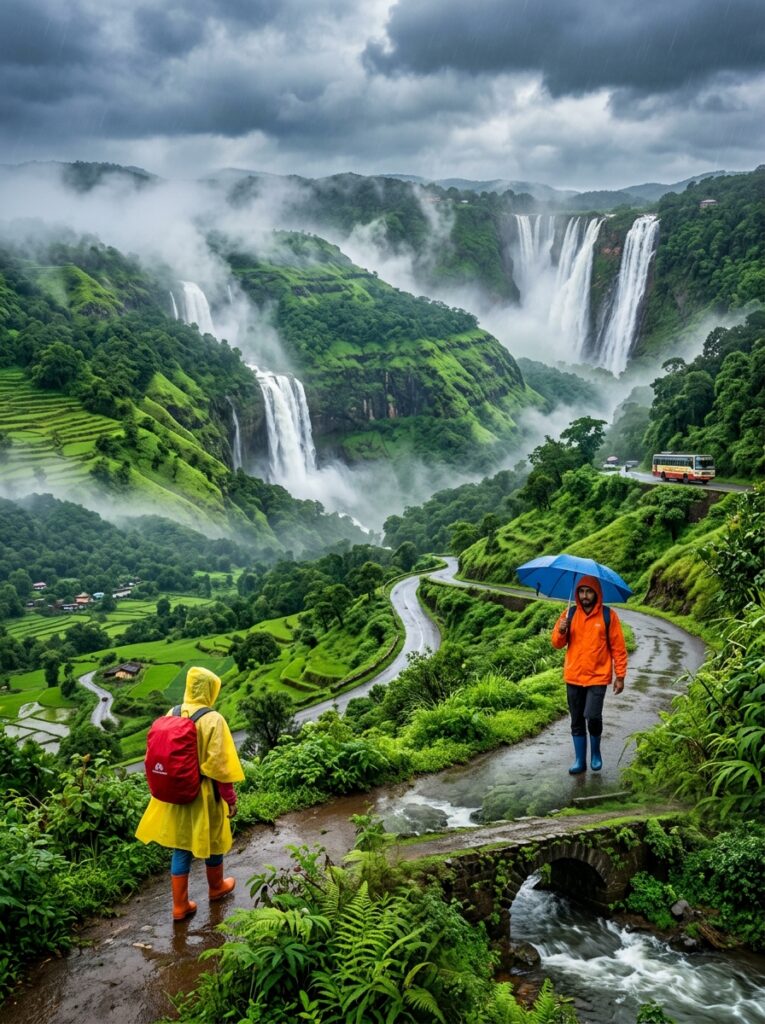
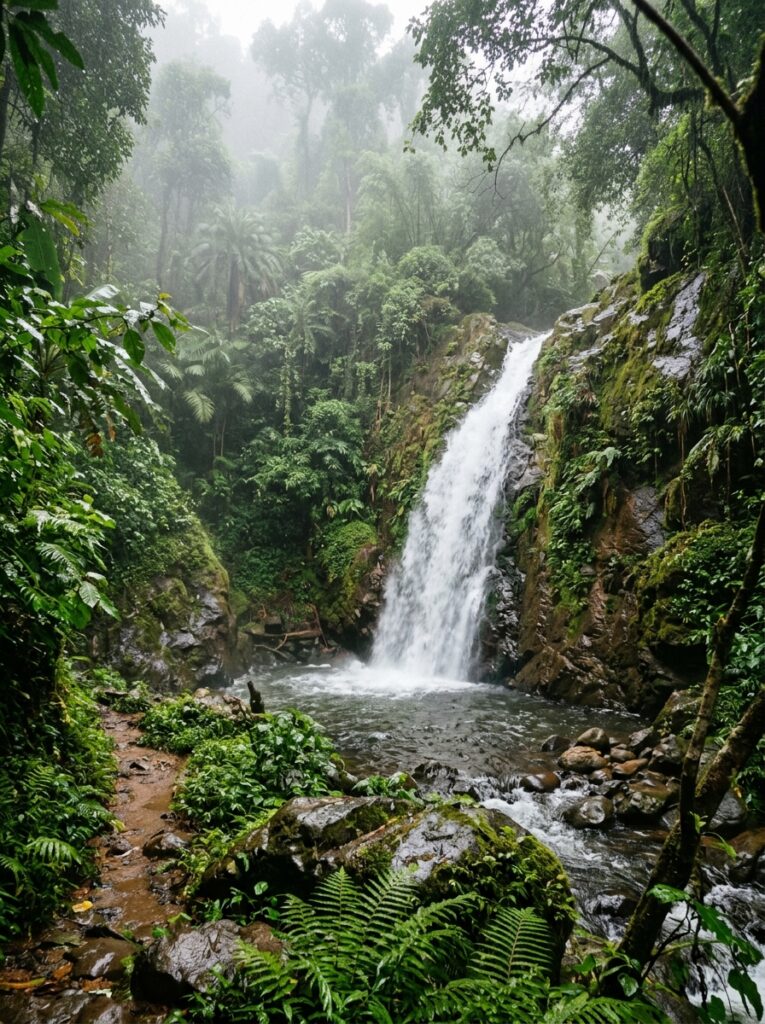
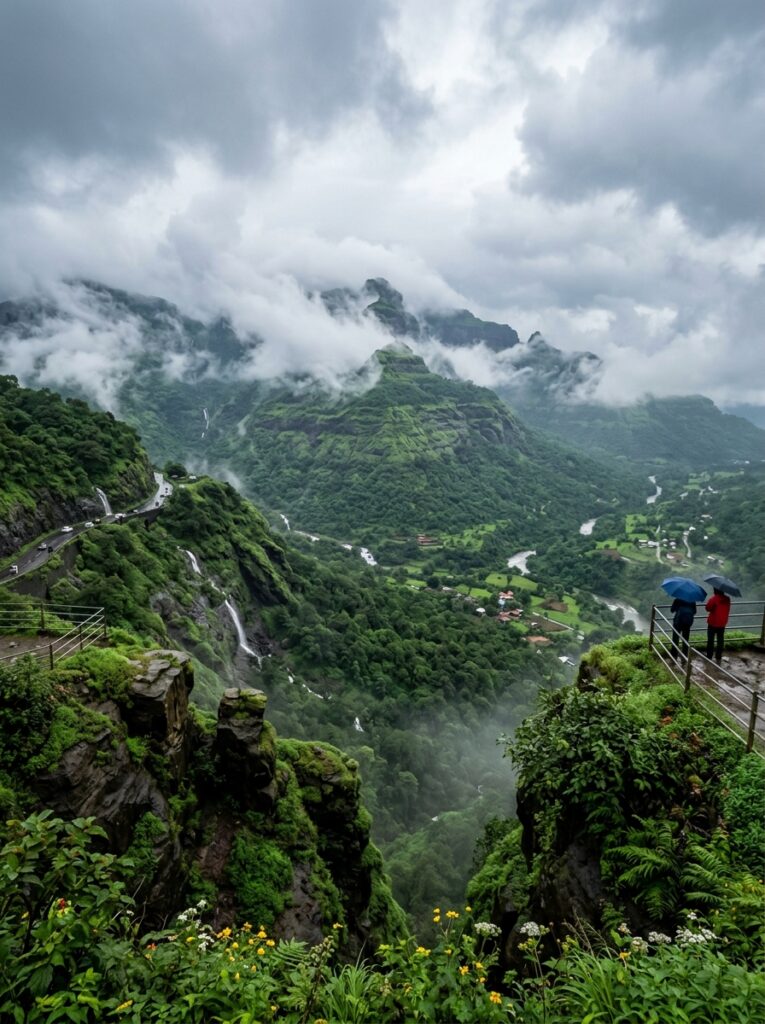
For city dwellers living in Mumbai or Pune, the arrival of the monsoon brings a sigh of relief. The concrete jungles cool down, and the urge to escape the urban chaos peaks. Fortunately, just a short drive away lies the twin hill stations of Lonavala and Khandala, nestled in the Sahyadri range of the Western Ghats. In July, these hill stations undergo a spectacular makeover. The rugged volcanic cliffs drape themselves in rich green foliage, misty clouds crawl over the valleys, and hundreds of temporary streams transform the mountains into a land of waterfalls. The air is fresh, temperatures drop to a comfortable cool, and the aroma of roasted corn and hot ginger tea fills the roadside stalls. Whether you want to drive through misty roads, trek to historic forts, or simply relax at a luxury resort, this ultimate guide to exploring Lonavala in monsoon has everything you need to plan a memorable weekend getaway. — Weekend Getaway Quick Info Feature Details Distance from Mumbai ~83 Kilometers (via Mumbai-Pune Expressway) Distance from Pune ~65 Kilometers (via Old Mumbai-Pune Highway) July Weather Cool and breezy, temperatures between 20°C and 26°C. Heavy rainfall is common. Best Travel Mode Road trip by Car or Bike. Train travel from Mumbai/Pune is also highly scenic. Target Audience Families, couples, bachelors, and trekking groups — Why Lonavala & Khandala are the Capital of Monsoon Travel The popularity of Lonavala and Khandala in July is unmatched in Western India. Here is why: 1. Unbelievable Accessibility: You can leave your office in Mumbai or Pune on a Friday evening, and within two hours, find yourself surrounded by mist-covered valleys. 2. Waterfalls Galore: The topography of the Sahyadri mountains is full of sharp cliffs, which create massive, dramatic waterfall plunges during heavy rain. 3. Cozy Vibe: The combination of cool mountain winds, rain showers, and warm local comfort foods makes it the ultimate place to relax. 4. Adventure Trails: It is a playground for trekkers, offering routes to ancient forts, caves, and high vantage points. — Must-Visit Spots: Waterfalls & Viewpoints 1. Bhushi Dam This is the most famous and crowded monsoon hotspot in Lonavala. Bhushi Dam is built on the Indrayani River. During peak monsoon in July, the water overflows over a series of stone steps. The Experience: Visitors sit, stand, and play on the wet steps as water cascades over them. It has a lively, carnival-like atmosphere. Pro-Tip: Reach here early in the morning (before 9 AM) on weekends to avoid massive crowds and traffic blocks. 2. Kune Falls Nestled between the valleys of Lonavala and Khandala, Kune Falls is the 14th highest waterfall in India. It is a stunning three-tiered waterfall with a total drop height of 200 meters (660 feet). Viewpoint: The waterfall is visible from the road, but the best view is from the Kune Church area. Surrounded by thick green forests, the sight of this massive white column of water is breathtaking in July. 3. Kataldhar Waterfall (For Adventure Seekers) If you want to escape the tourist crowds and love hiking, Kataldhar is a hidden gem. It is a massive waterfall that plunges deep into a valley. The Trek: The trek starts near Fanasrai village. It is a moderate to difficult downhill hike through dense, muddy forest trails. At the base, you can stand directly under the roaring waterfall. Safety Note: Only attempt this trek with a local guide, as the forest paths can be confusing and slippery. 4. Tiger’s Point (Tiger’s Leap) Perched at an altitude of over 650 meters, Tiger’s Point offers a sheer cliff drop with panoramic views of the valley. Monsoon Vibe: In July, the valley is often completely filled with thick, white fog. Winds blow so hard that rain seems to fly upwards! The Culinary Experience: Dozens of small stalls line the edge of the viewpoint. Grab a plate of steaming hot Corn Bhajji (batter-fried sweetcorn) and a cup of hot Adrak Chai while standing in the mist. 5. Duke’s Nose (Nagphani) Named after the Duke of Wellington because the cliff resembles his nose profile from a distance. Locals also call it Nagphani because it looks like a cobra’s hood. The Experience: It is a popular spot for trekking and valley-crossing adventure sports. The trail is green and offers views of the Mumbai-Pune railway line snaking through tunnels below. 6. Karla & Bhaja Caves If it rains too hard for outdoor trekking, head to these ancient rock-cut Buddhist caves dating back to the 2nd century BC. Highlights: The Karla Cave features the largest and best-preserved Buddhist *Chaityagriha* (prayer hall) in India, complete with massive pillars and carved wood arches. The Bhaja Caves feature beautiful rock carvings and a waterfall that cascades right next to the cave entrance. — Detailed 2-Day Weekend Itinerary Here is a practical, action-packed weekend itinerary for your trip: Day Time Activity / Spot What to Expect Day 1 08:00 AM Drive from Mumbai/Pune Scenic drive through the misty ghat section (Saturday) 10:30 AM Check into Lonavala Resort Relax and freshen up 12:00 PM Visit Karla Caves Ancient architecture, easy climb 03:00 PM Head to Tiger’s Point Misty valleys, high winds, hot street food 05:30 PM Walk around Lonavala Lake Serene views, pleasant breeze 08:30 PM Dinner at local eatery Try hot chicken gravy or local vegetarian thali Day 2 08:00 AM Visit Bhushi Dam Morning fun in the cascading waters (Sunday) 11:30 AM Stop at Kune Falls viewpoint Spectacular waterfall photos 01:00 PM Lunch & Chikki Shopping Shop for chocolate, peanut, and coconut Chikkis 03:00 PM Visit Sunset Point (Khandala) Dramatic valley views before heading back 05:00 PM Drive back home Return with refreshed minds for the work week — WARNING: ### ⚠️ Monsoon Safety Rules for Lonavala & Khandala 1. Drowning Hazards: Never attempt to swim or jump into the deep reservoirs of Bhushi Dam, Lonavala Lake, or the pools at the base of waterfalls. The currents are extremely strong and rocks underneath are jagged. 2. Fog Visibility: If you are driving,