
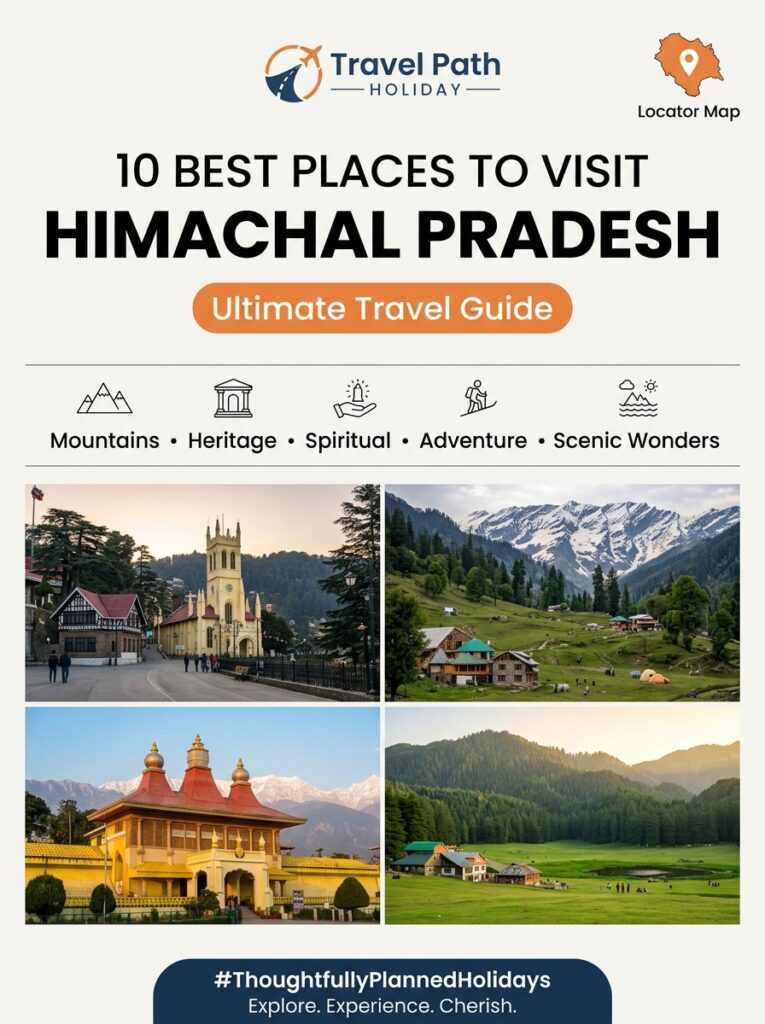
Himachal Pradesh

How to Reach Dharamshala McLeod Ganj from Indore: Flight & Train Routes

Overview Planning a journey from the heart of Madhya Pradesh to the tranquil, pine-forested slopes of the Dhauladhar Himalayas involves navigating a distance of approximately 1,150 to 1,250 kilometers. Whether you are seeking a soul-soothing retreat near the residence of His Holiness the Dalai Lama in McLeod Ganj or looking to explore the vibrant monasteries and tea gardens of Lower Dharamshala, understanding the most efficient transit logistics from Indore is essential for a seamless vacation. Indori travelers have three primary transit options: a swift flight connection from Indore’s Devi Ahilya Bai Holkar Airport (IDR) to Kangra Airport / Gaggal (DHM) via New Delhi; a direct overnight train via the dependable Malwa Express (12919) from Indore Junction to Pathankot Cantt (PTKC) followed by a short scenic cab drive; or a well-planned multi-day highway road trip across Central and North India. This definitive travel guide provides concrete schedules, real-world fares, layover strategies, climate transition advice, and local tips curated specifically for travelers departing from Indore. Local Logistical Advice for Indore Travelers 1. Departure Points & Timing Strategy from Indore Hubs Air Travel Departures: Departures originate from Devi Ahilya Bai Holkar Airport (IDR), situated on Airport Road, easily reachable within 20 to 35 minutes from commercial and residential hubs like Vijay Nagar, Palasia, Saket, or Annapurna Road via the Super Corridor or Ring Road. To catch early morning connecting flights to Gaggal Airport (DHM) via New Delhi (DEL), aim for flights departing IDR between 06:00 AM and 07:30 AM. This guarantees comfortable 2 to 3-hour layovers at Delhi Terminal 2 or 3 before boarding the mid-day mountain flight to Kangra Valley. Rail Travel Departures: Trains leave from Indore Junction (INDB) near Chhoti Gwaltoli. The preferred direct train, Malwa Express (12919), departs daily at 12:15 PM. Travelers residing in Vijay Nagar, AB Road, or Nipania should plan to depart home by 10:45 AM to accommodate city traffic near Regal Square and allow ample time for platform positioning and baggage loading. 2. Flight Layover Strategy at Delhi Airport (DEL) Terminal Navigation: Flight routes connecting Indore to Gaggal Airport (DHM) operated by IndiGo, Alliance Air, or SpiceJet usually require a transit at Indira Gandhi International Airport (DEL) in Delhi. Most flights from Indore arrive at Terminal 2 or Terminal 3. Ensure your booking provides a minimum layover buffer of 1.5 to 2.5 hours at DEL, especially if you need to transfer between T2 and T3 for regional turboprop aircraft operations bound for Kangra Valley. Baggage Thru-Check-In: When booking single PNR tickets (such as IndiGo connecting flights IDR-DEL-DHM), your checked luggage is tagged directly through to Gaggal Airport, allowing you to relax at Delhi Airport’s food courts without retrieving bags. 3. Climate Transition: From Malwa Heat to Alpine Chills Temperature & Weather Shift: Indore enjoys a tropical dry climate with warm summers (32°C to 42°C) and mild winters (10°C to 25°C). In contrast, Dharamshala (elevation 1,457 meters) and McLeod Ganj (elevation 2,082 meters) feature distinct mountain weather. Summer temperatures (April to June) range between a pleasant 15°C and 28°C. Monsoons (July to September) bring heavy downpours across the Dhauladhar range. Winter (November to February) sees temperatures drop to 0°C to 10°C, with sub-zero nights and frequent snowfall across McLeod Ganj, Naddi, and Dharamkot. Smart Transit Packing: Indori travelers departing in light summer attire should pack a light jacket or fleece pullover in their carry-on bag. Air-conditioned flight cabins and the sudden temperature dip upon landing at Gaggal Airport or stepping off the train at Pathankot Cantt require immediate layering. 4. Mobile Network Connectivity & Prepaid SIM Rules National Roaming: Unlike post-paid requirements in Jammu & Kashmir or Ladakh, standard prepaid SIM cards issued in Madhya Pradesh (Airtel, Reliance Jio, Vodafone Idea) work seamlessly across Himachal Pradesh under national roaming with zero extra configuration. Network Performance: Reliance Jio and Airtel provide robust 4G and 5G connectivity throughout Dharamshala, McLeod Ganj Square, Bhagsu Nag, Kotwali Bazaar, and along the Pathankot-Dharamshala highway. Signal strength remains reliable for digital payments and GPS navigation. 5. Dietary Comforts & Pure Vegetarian Dining En Route Transit Dining Options: Malwi travelers accustomed to pure vegetarian meals will find excellent dining facilities along all transit routes. Delhi Airport terminals offer verified pure vegetarian outlets, while major highway halts near Ambala, Ropar, and Una feature popular family dhabas (such as Haveli and Pavitra Bhojnalaya) serving freshly cooked, hygienic vegetarian thalis, parathas, hot tea, and snacks. Complete Details & Practical Guidelines 1. Air Travel Routes: Indore to Dharamshala / McLeod Ganj #### Option A: Direct Connection via Delhi to Kangra Airport / Gaggal (DHM) This is the fastest and most comfortable route for families, senior citizens, and travelers on tight itineraries. Primary Airport: Kangra Airport at Gaggal (DHM), located 13 km south of Lower Dharamshala and 18 km from McLeod Ganj. Flight Sequence: 1. Board morning flight from Indore (IDR) to Delhi (DEL) (Flight duration: ~1 hour 35 mins; e.g., IndiGo 6E-2041 departing IDR at 06:55 AM, landing DEL at 08:30 AM). 2. Transit at Delhi (DEL) (Layover duration: ~2 hours). 3. Board regional flight from Delhi (DEL) to Kangra Gaggal (DHM) (Flight duration: ~1 hour 15 mins to 1 hour 30 mins; e.g., IndiGo 6E-7281 departing DEL at 10:40 AM, landing DHM at 12:10 PM). Total Travel Time: Approx. 5.5 to 7.5 hours from Indore departure to Gaggal landing. Airfare Range: ₹5,500 to ₹11,500 per seat (one-way, depending on booking lead time and travel season). Airport Pick-up & Taxi Transfer: Pre-booked private cabs (Innova Crysta or sedan) from Gaggal Airport take 35 to 40 minutes to reach Lower Dharamshala (Taxi fare: ~₹1,200 – ₹1,500) and 45 to 60 minutes to reach McLeod Ganj Main Square (Taxi fare: ~₹1,600 – ₹2,200). #### Option B: Flight to Chandigarh International Airport (IXC) + Scenic Highway Drive An excellent alternative when Gaggal flight tickets are high or weather causes flight delays at mountain airstrips. Flight Route: Direct or one-stop flights from Indore (IDR) to Chandigarh International Airport (IXC) (Flight duration: ~2 hours non-stop via IndiGo 6E-6421 or ~4 hours via


Himachal Pradesh

Best Time to Visit Shimla Ridge Mall Road: Month-by-Month Weather Guide

Overview Determining the best time to visit Shimla Ridge Mall Road depends entirely on whether you wish to witness snow-dusted Tudor-Gothic architecture, escape the blistering summer heat of Malwa’s plains, or immerse yourself in vibrant Himalayan cultural festivals. Situated at an altitude of approximately 2,205 meters (7,234 feet) above sea level, The Ridge and Mall Road serve as the pedestrian heart of Shimla. Here, historical colonial structures like Christ Church, the Gaiety Theatre, and Scandal Point frame panoramic vistas of the snow-capped Shivalik and Dhauladhar ranges. For travelers departing from Indore and Central India, Shimla offers an invigorating climatic shift. While the ideal travel window for snow enthusiasts spans from December through February (with temperatures dropping between -2°C and 8°C), families and summer vacationers prefer the pleasant months of March to June (when temperatures hover comfortably between 15°C and 28°C). This month-by-month weather guide details seasonal temperatures, crowd trends, snowfall predictions, festival schedules, and practical logistical advice to help you craft the perfect Himachal getaway with Travel Path Holiday. Local Logistical Advice for Indore Travelers Planning a seamless transition from the tropical dry plateau of Indore (Devi Ahilya Bai Holkar Airport – IDR / Indore Junction – INDB) to the crisp alpine air of Shimla requires strategic transit coordination: Air Transit Options (Fastest Route): Board a direct or connecting flight from Indore (IDR) to Chandigarh International Airport (IXC) via New Delhi (DEL). From Chandigarh Airport, Shimla is located roughly 113 km away. Travel Path Holiday arranges pre-booked, private AC cab transfers (such as Toyota Innova Crysta) up the Himalayan Expressway (NH5), taking approximately 3.5 to 4 hours. Alternatively, fly from Indore to New Delhi (DEL) and take a direct flight connecting Delhi to Shimla’s Jubbarhatti Airport (SLV), though flights to Jubbarhatti are subject to mountain weather conditions. Rail & Toy Train Connections: Board the overnight Malwa Express (12919) or Paschim Express from Indore Junction (INDB) to New Delhi (NDLS) or Ambala Cantt (UMB). From Kalka Junction (KLK), board the UNESCO World Heritage Kalka-Shimla Toy Train (such as the *Shivalik Deluxe Express* or *Himalayan Queen*). This iconic 5.25-hour narrow-gauge journey negotiates 102 tunnels and 864 bridges before arriving at Shimla Railway Station, just 1.5 km below Mall Road. Climate Transition Prep: Central India travelers accustomed to Indore’s hot summers (which often exceed 40°C–42°C in May) will experience an immediate relief upon arriving in Shimla, where peak summer highs rarely exceed 28°C. However, winter departures from Indore require heavy layer preparation; while Indore winters stay mild (10°C–25°C), Shimla drops below freezing (down to -2°C or lower) with ice and snow on paved walkways. Prepaid Mobile SIM Compatibility: Travelers from Madhya Pradesh can rest easy regarding digital connectivity. Standard prepaid mobile SIM cards (Jio, Airtel, Vi) issued in MP operate seamlessly under national roaming throughout Shimla, Mall Road, and surrounding hill stations without requiring special permits or local SIM purchases. Mall Road Pedestrian Access: Vehicle entry onto Mall Road and The Ridge is strictly prohibited to preserve the heritage pedestrian promenade. Travelers arriving via private cabs or luxury Volvo buses drop off at the Tourist Bus Stand or Old Bus Stand. TPH arranges elevator passes via the HP Tourism Lift (connecting Cart Road directly to the upper Mall Road near Combermere Bridge) to save guests from uphill luggage carrying. Complete Details & Practical Guidelines Month-by-Month Weather & Temperature Overview Month Avg Day Temp (°C) Avg Night Temp (°C) Weather Profile & Highlights Crowd Density January 8°C -2°C Peak snowfall season, heavy frost, icy ridges High (Winter Tourism) February 10°C 0°C Crisp winter chill, lingering snow in Kufri & Jakhoo Moderate March 16°C 5°C Spring bloom, clear blue skies, pleasant sunshine Moderate April 21°C 10°C Comfortable sunny days, mild cool evenings Moderate-High May 25°C 13°C Warm pleasant days, peak summer escape season Very High (Peak Crowds) June 26°C 15°C Summer heat relief, Shimla Summer Festival Very High (Peak Crowds) July 22°C 15°C Onset of monsoons, lush green scenery, rain showers Low August 21°C 14°C Heavy rainfall, foggy ridges, romantic misty vibe Low September 21°C 12°C Post-monsoon clarity, washed pine forests Moderate October 18°C 8°C Autumn crispness, golden foliage, pleasant walkability Moderate-High November 14°C 4°C Early winter freeze, clear mountain views Moderate December 10°C 0°C Snowfall onset, Christmas & New Year festivities Extreme High (Peak Festivities) Snow Season Deep Dive (December to February): Winter Magic on The Ridge For travelers seeking a winter wonderland, December through February is the premier window to visit Shimla Ridge and Mall Road: Snowfall Timelines & Expectations: Active snowfall usually commences in late December (around Christmas and New Year) and extends through January into early February. During active snowfall, iconic landmarks like Christ Church, The Ridge gazebo, and the heritage streetlamps along Mall Road are covered in pristine white blankets. Key Sightseeing & Winter Spots: The Ridge & Scandal Point: The open promenade offers unobstructed views of snow-laden Himalayan summits. Jakhoo Temple Walk: Hike or take the aerial ropeway/cable car from Ridge to the 108-foot Hanuman statue at Jakhoo Hill (2,455 m altitude), where snow lingers longest among cedar trees. Excursions to Kufri & Fagu: Located 16 km uphill from Shimla, Kufri receives heavier snowfall and provides opportunities for tobogganing, snow tubing, and horse rides. Winter Footwear & Foot Traffic Safety: Sub-zero night temperatures cause melted snow to freeze into slick “black ice” on the paved slopes of Mall Road and Scandal Point. Travelers are strongly advised to wear non-slip rubber-soled boots or snow grip footwear (available for rent at Lakkar Bazaar). Summer Season (March to June): Ideal Escape for Families & Couples From March to June, Shimla transforms into a bustling hill resort, offering Central Indian travelers respite from scorching summer temperatures: Climatic Comfort: Daylight temperatures hover between 15°C and 26°C, providing perfect conditions for leisurely strolls along Mall Road, coffee breaks at outdoor cafes, and heritage tours of the Gaiety Theatre (built in 1887) and Viceregal Lodge (Rashtrapati Niwas). Mall Road Evening Atmosphere: As twilight sets in, Mall Road glows under heritage street lamps. Visitors gather around

Gujarat

Historical Significance and Architecture of Adalaj Stepwell

Overview Adalaj Stepwell (*Adalaj Ni Vav*), located just 18 kilometers north of central Ahmedabad and 15 kilometers south of Gandhinagar, stands as one of India’s most extraordinary subterranean architectural masterpieces. Built in 1498 AD during the reign of Sultan Mahmud Begada, this five-story deep sandstone stepwell was commissioned by Queen Rudabai (also known as Ruda Devi) in memory of her slain husband, Rana Veer Singh of the Vaghela dynasty. Beyond its breathtaking Solanki (*Māru-Gurjara*) craftsmanship and intricate sandstone carvings, the history of Adalaj Stepwell is defined by a poignant saga of tragic romance, political diplomacy, supreme devotion, and subterranean engineering brilliance. For travelers departing from Central India and Malwa, Adalaj Stepwell offers a fascinating window into ancient water conservation systems and Indo-Islamic artistic fusion. The structure descends five tiers into the earth, where sunlight filters through open octagonal shafts onto ornate pillars, delicate floral motifs, and friezes depicting rural life. The ambient temperature inside the lower galleries remains a cooling 5°C to 6°C below the surface ground level, providing a welcome respite from Gujarat’s semi-arid heat. Whether you are an architecture enthusiast studying Solanki pillar proportions, a history buff tracing 15th-century Gujarat politics, or an Indori tourist seeking an unforgettable heritage day-trip near Ahmedabad, this ultimate guide covers the stepwell’s historical narrative, structural design, intricate carvings, and practical visiting logistics. Local Logistical Advice for Indore Travelers Connecting Indore—the commercial hub of Madhya Pradesh—to the historic corridors of Adalaj Stepwell is seamless across air, rail, and road networks. 1. Transit Coordinates from Indore to Adalaj Stepwell Direct Flights (Indore to Ahmedabad Airport): Board a direct non-stop flight from Indore’s Devi Ahilya Bai Holkar Airport (IDR) to Sardar Vallabhbhai Patel International Airport, Ahmedabad (AMD). IndiGo operates daily direct flights with a short flight time of approximately 1 hour and 10 minutes. Upon arrival at AMD Airport, Adalaj Stepwell is merely 15 kilometers away—a quick 25-minute drive via Airport Road and the Sardar Patel (SP) Ring Road. Overnight Express Trains: Several comfortable direct trains connect Indore Junction (INDB) with Ahmedabad Junction (ADI) and Gandhinagar Capital (GNC). The *Indore – Gandhinagar Capital Express (19310)* departs Indore at 23:00 and arrives at Gandhinagar Capital station at 07:45 AM, placing you just 10 kilometers from Adalaj for an early morning visit. Alternatively, the *Shanti Express (19309)* offers convenient overnight transit arriving at Ahmedabad Junction. Self-Drive / Private Chauffeur Highway Route: Driving from Indore to Adalaj covers approximately 390 kilometers via National Highway 47 (NH47). The highway route passes through Dhar, Jhabua, Dahod, Godhra, and Kathwada before linking to the Ahmedabad SP Ring Road toward Adalaj. Driving time is roughly 7 to 8 hours over smooth four-lane roads with excellent rest stops near Dahod. 2. Climate Transition & Subterranean Microclimate Indore travelers accustomed to the tropical dry climate of Malwa will find North Gujarat’s climate warmer and semi-arid. Summer temperatures in Ahmedabad and Gandhinagar (April to June) regularly exceed 42°C, whereas winter months (November to February) feature pleasant daytime temperatures ranging between 16°C and 28°C. Subterranean Cooling Effect: The architectural design of Adalaj Stepwell acts as a natural air-conditioning system. As you descend from the ground level to the fifth subterranean floor, trapped air currents and evaporation from the central water reservoir lower the ambient temperature by 5°C to 6°C. Optimal Time of Day for Visiting: Visit between 8:00 AM and 10:30 AM or between 4:00 PM and 6:00 PM. Morning sunlight streams directly down the central octagonal shaft, casting soft shadows across the carved pillars—ideal for photography and comfortable exploration before peak afternoon heat. 3. Mobile Connectivity & National Roaming Travelers from Madhya Pradesh can rely on seamless national roaming. All standard prepaid mobile SIM cards (Jio, Airtel, Vi) operate smoothly across Gujarat without requiring extra configurations or special packs. Strong 4G and 5G network coverage is available at the stepwell complex, along SG Highway, and throughout Gandhinagar. Complete Details & Practical Guidelines The Historical Narrative & Legend of Queen Rudabai The origin of Adalaj Stepwell is intertwined with political conflict, tragic loss, and architectural legacy: “` +———————————————————————————–+ TIMELINE & HISTORICAL ORIGINS +————-+———————————————————————+ Era / Date Historical Event & Significance +————-+———————————————————————+ Late 15th C Kingdom of Dandai Desh (Adalaj) ruled by Vaghela Chief Rana Veer (c. 1495 AD) Singh. Construction of stepwell initiated to combat acute drought. +————-+———————————————————————+ 1498 AD Sultan Mahmud Begada of Ahmedabad invades; Rana Veer Singh dies in battle. Kingdom falls under Sultanate control. +————-+———————————————————————+ 1498 AD Begada proposes marriage to Queen Rudabai. She agrees on condition that the incomplete stepwell be finished to serve her people. +————-+———————————————————————+ 1499 AD Stepwell completed in grand Solanki-Islamic style. Queen Rudabai performs sacred rituals, leaps into the well to preserve honor. +————-+———————————————————————+ Post-1499 AD Begada preserves stepwell; six master masons executed/entombed nearby to prevent replication of the architectural masterpiece. +————-+———————————————————————+ “` 1. Drought & The Initial Vision: In the late 15th century, the region of Dandai Desh (present-day Adalaj) suffered severe drought and water scarcity. Chief Rana Veer Singh of the Vaghela dynasty commissioned a massive stepwell to harvest rainwater and provide subterranean water reserves for local residents and traveling merchants. 2. War & Sultan Mahmud Begada’s Conquest: Before the stepwell could be completed, Sultan Mahmud Begada of Ahmedabad invaded the kingdom. Rana Veer Singh was killed in battle, leaving Queen Rudabai widowed and the stepwell half-built. 3. The Queen’s Condition: Captivated by Queen Rudabai’s beauty and grace, Sultan Mahmud Begada proposed marriage. The Queen agreed to the marriage proposal under one crucial condition: the Sultan must complete the construction of the stepwell initiated by her late husband to ensure her drought-stricken subjects received water. 4. Completion & Supreme Sacrifice: Sultan Begada spent a vast sum of gold coins to employ the finest Solanki artisans and Islamic master builders, finishing the five-story stepwell in 1499 AD. Once the structure was consecrated and filled with water, Queen Rudabai circumambulated the top gallery, performed sacred prayers, and jumped into the stepwell water, sacrificing her life to remain faithful to her husband while securing water for her kingdom.

Gujarat

Emergency Numbers, Hospitals & Tourist Police in Ahmedabad Sabarmati Ashram

Overview Visiting the iconic Sabarmati Ashram (also known as Gandhi Ashram or Harijan Ashram) along the serene banks of the Sabarmati River in Ahmedabad is a deeply enriching cultural experience for travelers departing from Central India. However, ensuring a smooth, safe, and worry-free trip requires immediate access to reliable emergency resources, medical facilities, and local law enforcement details. Whether you are navigating the historic Sabarmati Ashram complex, walking along the sprawling Sabarmati Riverfront, or exploring the broader Ahmedabad metropolitan area, having a quick-reference guide to emergency contacts is indispensable. This comprehensive guide details all essential emergency helplines in Ahmedabad Sabarmati Ashram, top-tier multi-specialty hospitals with 24/7 trauma centers near Ashram Road, police station jurisdictions, tourist police assistance, traffic safety regulations for self-drive visitors from Indore, and crucial legal guidelines regarding Gujarat’s dry state policies. Designed specifically for Indori travelers, this manual equips you with every practical tool needed for emergency preparedness on your Gujarat journey. Local Logistical Advice for Indore Travelers For travelers journeying from Indore to Ahmedabad, understanding regional transit routes, climate shifts, and local state regulations ensures seamless navigation and rapid access to medical or emergency help if required. 1. Transport Coordinates & Highway Driving from Indore By Self-Drive / Private Cab (NH47 Route): The road distance from Indore to Sabarmati Ashram is approximately 390 km, usually taking 7.5 to 8 hours of driving time via NH47 and National Expressway 1 (NE1). The standard route passes through Indore → Dhar → Jhabua → Dahod → Godhra → Vadodara → Ahmedabad. *Highway Emergency Helpline*: On national highways, dial 1033 (NHAI Highway Emergency & Breakdown Assistance) for immediate towing or medical assistance between Indore and Ahmedabad. *Speed & Patrol Enforcement*: Gujarat Traffic Police enforce strict speed limits using radar speed guns around Godhra, Anand, and Ahmedabad Ring Road entry points. Ensure your FASTag is active with sufficient balance. By Train: Daily express trains connect Indore Junction (INDB) directly to Ahmedabad Junction (ADI) and Sabarmati Junction (SBT/SBIB). Key overnight options include: *Avantika Express (12962)*: Departs Indore in the evening, arriving at Ahmedabad Junction early morning. *Indore – Gandhinagar Capital Express (19310)*: Ideal for direct connectivity to Sabarmati/Gandhinagar corridor. *Local Taxi/Auto Access*: Sabarmati Junction (SBT) is just 3 km (10 minutes) from Sabarmati Ashram, while Kalupur ADI Main Station is 6.5 km (20 minutes) away. By Flight: Daily non-stop flights operate from Indore Devi Ahilya Bai Holkar Airport (IDR) to Sardar Vallabhbhai Patel International Airport (AMD) in Ahmedabad, taking approximately 1 hour. Sabarmati Ashram is situated just 8.5 km (15 to 20 minutes) south of AMD Airport via Airport Road and Subhash Bridge. 2. Climate Transition & Health Precautions Indore’s semi-arid plateau climate contrasts with Ahmedabad’s intense dry heat during summer (March to June, where afternoon temperatures routinely cross 42°C to 44°C) and humid conditions during monsoon (July to September). *Heatstroke & Dehydration Warning*: Walking through Sabarmati Ashram’s open courtyards (*Hridaya Kunj*, *Magan Niwas*, and *Gandhi Smarak Sangrahalaya*) during summer noon can trigger heat exhaustion. Always carry electrolyte solutions (ORS) and rehydration salts. *Emergency Cooling Response*: Gujarat’s GVK EMRI 108 ambulance service operates specialized heat-wave response protocols during peak summer months across Ahmedabad. 3. Prepaid SIM Cards & Mobile Connectivity Travelers from Madhya Pradesh do not need to buy local SIM cards. Standard prepaid SIM cards (Jio, Airtel, Vi) issued in MP function seamlessly under national roaming in Ahmedabad without any service interruptions or additional roaming charges. 4G and 5G network coverage around Sabarmati Ashram and the Riverfront West promenade is exceptionally robust. 4. Gujarat Alcohol Laws & Non-Resident Tourist Permits Gujarat enforces strict state prohibition laws. Carrying, purchasing, or consuming alcohol without an authorized permit is a severe non-bailable offense under the Gujarat Prohibition Act. *Indore Traveler Compliance*: Never carry alcohol bottles from Madhya Pradesh across the Gujarat border (checkpoints are active at Dahod and Ratanpur). *Tourist Liquor Permits*: Non-residents of Gujarat holding a valid out-of-state ID (such as an MP Aadhaar card, Voter ID, or Passport) and travel proof (flight ticket, train ticket, or highway toll receipt) can apply for a Temporary Tourist Alcohol Permit online via the official *Gujarat Prohibition e-Permit portal*. Permits can be submitted online and processed at designated liquor shops in five-star hotels across Ahmedabad (such as Hotel Cama on Ashram Road, Hyatt Regency, or Taj Skyline). Complete Details & Practical Guidelines 1. Master List of Emergency Helplines in Ahmedabad Save these essential primary emergency numbers on your mobile phone before initiating your trip to Sabarmati Ashram and surrounding regions: Emergency Service Helpline / Direct Phone Number Primary Function & Operational Details Unified National Emergency 112 Single-point contact for Police, Fire, and Ambulance across Gujarat. Police Control Room (Ahmedabad) 100 / `079-25630100` / `079-25630200` Immediate police dispatch and crime reporting. GVK EMRI Medical Emergency 108 Free 24/7 state ambulance with life support & trained paramedics. Tourist Police Helpline 1091 / `079-25630100` Dedicated helpline for tourist safety, harassment, or lost belongings. Women Emergency Helpline (Abhayam) 181 24/7 rescue, counseling, and protection service for women in distress. Traffic Police Control Room 1095 / `079-25651212` Traffic updates, accident reporting, and vehicle towing queries. Fire Brigade & Rescue Service 101 / `079-22148465` Fire emergencies and urban disaster mitigation. State Disaster Management 1077 Severe weather warnings, flood response, and natural disaster helpline. Sabarmati Riverfront Security Post `079-26580000` Security & rescue response along the Sabarmati Riverfront Promenade. 2. Major Hospitals Near Sabarmati Ashram (24/7 Emergency Care) In case of medical distress, cardiac emergencies, or accidental injuries near Sabarmati Ashram, several world-class government and private super-specialty hospitals are located within a 2 to 10-minute driving radius along Ashram Road and nearby arterial routes: “` [Sabarmati Ashram] │ ├───> SVP Hospital, Ellisbridge (4.5 km / 10 mins via Ashram Rd) ├───> Sterling Hospitals, Drive-In Rd (6.0 km / 14 mins) ├───> Civil Hospital Complex, Asarwa (5.5 km / 12 mins via Subhash Bridge) └───> Apollo Hospitals, Bhat / Airport Highway (8.5 km / 15 mins) “` #### A. Sardar Vallabhbhai Patel (SVP) Institute of Medical Sciences & Research Distance from Sabarmati Ashram: ~4.5

Gujarat

Pre-Wedding Shoot & Couple Photography in Gir Forest Lion Safari

Overview Planning a romantic pre-wedding shoot set against the untamed wilderness of Sasan Gir offers couples an extraordinary blend of rugged dry deciduous teak forests, golden mango groves, serene riverbeds, and luxury forest eco-resorts. Located across the Junagadh and Gir Somnath districts of Gujarat, Gir National Park & Wildlife Sanctuary is celebrated worldwide as the sole natural habitat of the endangered Asiatic lion (*Panthera leo persica*). Beyond its wildlife sanctuary status, the peripheral belt of Gir has emerged as one of Western India’s premier destinations for luxury pre-wedding shoots and outdoor couple photography. For couples departing from Central India, specifically Indore, executing a seamless, high-concept photo shoot in Gir requires careful synchronization of travel routes, Gujarat Forest Department permits, resort venue permissions, seasonal lighting, wardrobe styling, and strict adherence to wildlife conservation laws. Whether capturing intimate portraits amidst blooming Kesar mango orchards, framing sunset silhouettes on the banks of the Hiran River, or posing against rustic timber machans at eco-lodges, this comprehensive guide provides all the practical, legal, and logistical details needed to organize a flawless couple shoot in Gir. For tailored itinerary planning, seamless logistics, and luxury vehicle bookings from Indore, explore our master Indore to Gujarat Tour Packages. Local Logistical Advice for Indore Travelers Traveling from Central India’s commercial hub of Indore to the wilderness of Sasan Gir involves journeying from the Malwa plateau across to the Kathiawar peninsula of Gujarat. For Indori couples, photography crews, and families, understanding transit coordinates, seasonal climate shifts, and local regulations ensures a stress-free expedition. 1. Air, Rail & Road Transit Coordinates from Indore Flight Connections from Indore (IDR): *Via Rajkot Airport (RAJ)*: Rajkot is the most practical domestic airport serving Sasan Gir, located approximately 160 km (3.5 to 4 hours by road). Direct and quick connecting flights operate regularly from Indore’s Devi Ahilya Bai Holkar Airport (IDR) to Rajkot via Mumbai or Ahmedabad. *Via Diu Airport (DIU)*: Diu Airport sits just 105 km south of Sasan Gir (approx. 2.5 hours by road), offering convenient regional air options. *Via Ahmedabad Airport (AMD)*: Daily 1-hour direct flights connect Indore (IDR) to Sardar Vallabhbhai Patel International Airport (AMD) in Ahmedabad. From Ahmedabad, travelers can board a comfortable chauffeur-driven Innova Crysta for a scenic 360 km (6.5-hour) drive to Sasan Gir via Rajkot and Junagadh. Direct Rail Routes from Indore Junction (INDB): *Indore – Veraval Mahamana Express (Train No. 19320)*: Operates weekly, taking travelers directly from Indore to Veraval Junction (VRL), located merely 42 km from Sasan Gir (1 hour via private cab). *Indore – Somnath Express (Train No. 19314 / 19309)*: Connects Indore directly to Junagadh Junction (JND, 60 km from Gir) and Veraval, offering comfortable AC 2-Tier and 3-Tier sleeper travel ideal for photography teams carrying heavy lighting equipment and wardrobe trunks. Overnight Road Driving Route: Driving directly from Indore to Sasan Gir covers roughly 820 km via National Highway 47 (NH47) and Gujarat State Highways. The recommended route proceeds through Indore – Dhar – Jhabua – Godhra – Ahmedabad Bypass – Rajkot – Junagadh – Sasan Gir. Travel Path Holiday provides premium, long-distance SUV rentals (Innova Crysta, Fortuner) with professional drivers experienced in night highway navigation. 2. Climate Transition & Seasonal Forest Closures Climate Shift: Indore travelers accustomed to the Malwa plateau’s dry heat will find Gir’s climate equally warm, but with distinct forest microclimates. Winter mornings (November to February) are crisp and pleasantly cool (10°C to 15°C), while afternoons remain warm and bright (24°C to 28°C). Summer months (March to May) experience intense dry heat reaching 40°C to 44°C, making early morning (6:00 AM – 9:00 AM) and late afternoon (4:30 PM – 6:30 PM) shooting schedules mandatory. Mandatory Sanctuary Closure: The core zone of Gir National Park & Sanctuary is strictly CLOSED to all tourists and safari photography from June 16 to October 15 every year for the annual lion mating season and monsoon regeneration. However, the Devalia Safari Park (Gir Interpretation Zone) remains open year-round (subject to weather conditions), and private resort grounds, mango orchards, and peripheral riverbanks remain fully accessible for couple shoots throughout the year. 3. Mobile Connectivity & National SIM Roaming Prepaid SIM Roaming: Travelers carrying standard prepaid SIM cards from Madhya Pradesh (Airtel, Reliance Jio, Vi) will experience automatic, seamless national roaming across Gujarat without needing special recharges or local SIM purchases. Network Range: Reliable 4G and 5G data coverage is available across resort belts in Sasan Gir, Talala, Junagadh, and Veraval. However, cellular reception drops within core forest pockets and deep river valleys—a benefit that allows couples to shoot without digital distractions. Complete Details & Practical Guidelines 1. Prime Scenic Locations for Pre-Wedding & Couple Photography Around Gir “` +———————————————————————————–+ TOP COUPLE SHOOT SPOTS AROUND GIR +———————————–+———————————————–+ Location Aesthetic & Visual Highlights +———————————–+———————————————–+ Kesar Mango Orchards (Talala Gir) Dense leafy canopies, white blooms, charpoys Hiran Riverbanks & Waterbodies Smooth boulders, serene reflections, sunsets Luxury Wilderness Eco-Resorts Thatch cottages, infinity pools, machans Peripheral Forest Trails Open dirt paths, dry teak trees, safari jeeps +———————————–+———————————————–+ “` #### A. Kesar Mango Orchards of Talala Gir Talala Gir, situated just 15 km from Sasan Gir, is world-famous as the “Mango Capital of Gujarat.” Sprawling over thousands of hectares, these organic Kesar mango groves offer an enchanting vintage rural aesthetic. Visual Highlights: Dense, arching green canopies filter soft sunlight onto earthen pathways. Rustic wooden charpoys (cot benches), earthen pots, and traditional bullock carts can be arranged for cultural couple frames. Seasonal Advantage: *February to March*: Mango trees are covered in delicate white blossoms (*Manjar*), providing a romantic, dreamlike backdrop. *April to May*: Heavy clusters of golden-yellow Kesar mangoes hang low from branches, ideal for vibrant, colorful summer photography. Permits & Logistics: Orchards are privately owned; Travel Path Holiday arranges pre-approved private shoot access with local orchard owners for hassle-free sessions. #### B. Hiran Riverbanks & Waterbodies The Hiran River is the lifeline of Gir Forest, winding through stone-littered channels and lush riparian vegetation outside the sanctuary core. Visual Highlights: Tranquil water reflections, smooth river boulders, tall golden reeds,

Gujarat

ATM, Cash & Mobile Connectivity Guidelines in Rann of Kutch Tent City

Overview Planning a trip to the Great Rann of Kutch and staying at the famous Rann of Kutch Tent City at Dhordo requires careful financial and digital planning. While the temporary 500,000-square-meter luxury canvas city offers world-class hospitality, high-speed Wi-Fi in common dining halls, and seamless digital check-ins, the surrounding salt desert, craft villages, and border highways present unique logistical challenges. Knowing the exact status of the mobile network in Rann of Kutch Tent City, ATM availability near Dhordo, UPI reliability, and cash requirements for village artisans ensures your desert vacation remains hassle-free. This comprehensive guide provides verified on-ground details, operator-wise network analyses (Jio, Airtel, Vi), ATM withdrawal tips, and step-by-step connectivity advice specifically curated for travelers departing from Central India. Local Logistical Advice for Indore Travelers For travelers from Indore and surrounding parts of Madhya Pradesh, traveling to Kutch involves transitioning from urban digital networks to remote desert corridors near the Indo-Pak border. Route & Transit Coordinates from Indore (IDR) By Air: Fly from Devi Ahilya Bai Holkar Airport (IDR) in Indore to Bhuj Airport (BHJ) via connecting flights through Mumbai (BOM). Alternatively, take a 70-minute direct flight from Indore to Sardar Vallabhbhai Patel International Airport (AMD) in Ahmedabad. From Ahmedabad, comfortable private air-conditioned cabs or overnight Volvo sleeper buses run to Bhuj (~330 km) or directly to Dhordo Tent City (~400 km via NH48 and State Highway 7). By Train: Direct train services connect Indore Junction (INDB) with Gujarat transit hubs. Options include the *Indore – Gandhidham Express* (19336), *Avantika Express* (12962) to Ahmedabad, or the *Indore – Bhuj Weekly Express* (20927). From Bhuj Railway Station, official Tent City luxury AC buses or private cabs pick up guests for the final 85 km journey to Dhordo (approx. 1.5 to 2 hours). By Self-Drive / Private Cab: The road route from Indore passes through Ratlam, Godhra, Ahmedabad, Radhanpur, and Bhuj before reaching Dhordo (~750 km). Smooth highway conditions make this an enjoyable 2-day driving route with an overnight halt in Ahmedabad or Rajkot. Climate Transition & Gear Preparation Indore’s dry tropical winter climate (14°C to 28°C) contrasts sharply with the extreme microclimate of the Kutch desert: Daytime Salt Glare: Daytime temperatures range between 24°C and 28°C under direct sunlight. Sunlight reflecting off millions of white salt crystals creates intense UV glare. Carry high-SPF sunscreen, polarising UV sunglasses, and lip balm. Nighttime Desert Chills: Post-sunset, temperatures in Dhordo and the salt flats plunge sharply, often reaching between 5°C and 10°C, accompanied by heavy wind chill across the open plains. Heavy woolens, thermal innerwear, windproof jackets, and cozy mufflers are mandatory. Device Battery Health: Cold desert night temperatures drain smartphone and camera batteries significantly faster. Pack high-capacity power banks (10,000 to 20,000 mAh) and keep devices insulated in warm pockets during evening outings. MP Prepaid SIM Cards & National Roaming Travelers holding Madhya Pradesh (MP) prepaid SIM cards do not need to purchase local Gujarat SIM cards. Under current national roaming regulations in India, standard prepaid SIM cards issued in MP (Jio, Airtel, and Vi) work seamlessly across Gujarat, including Bhuj, Dhordo, and Tent City, without any extra roaming charges or service interruptions. Complete Details & Practical Guidelines 1. ATM Availability & Cash Withdrawal Strategy in & Near Tent City One of the most frequent surprises for first-time visitors to the White Desert is the scarcity of automated teller machines (ATMs) in the northern Kutch rural belt. ATMs Inside Tent City (Dhordo): Tent City Dhordo does not have a permanent bank branch or fixed brick-and-mortar ATM. During the peak Rann Utsav festival months (November to February), state bank mobile ATM vans or temporary pop-up ATMs are occasionally stationed near the administrative office or Rann Haat. However, these temporary ATMs frequently run out of physical cash currency or experience network link failures due to satellite signal congestion. Nearest Reliable ATMs Outside Tent City: Bhirandiyara Village (~28 km from Tent City): Limited single-ATM outlets (such as State Bank of India or Indicash) that frequently run out of cash during high-tourist full moon weekends. Khavda (~40 km north of Tent City): Basic branch ATMs of SBI and Dena Bank / Bank of Baroda, primarily catering to local village residents. Bhuj City (~85 km south of Tent City): Bhuj is the primary commercial hub with multi-bank ATM clusters (SBI, HDFC Bank, ICICI Bank, Axis Bank, Bank of Baroda, Kotak Mahindra). Recommended Cash Buffer: Withdraw a minimum of ₹5,000 to ₹10,000 in cash per head at Bhuj Airport, Bhuj Railway Station, or Bhuj city market before heading north on State Highway 7 towards Dhordo. Ensure you carry smaller denominations (₹20, ₹50, ₹100, and ₹200 notes) as local village artisans and camel cart operators rarely have change for ₹500 notes. 2. Why Physical Cash is Essential for Artisan Village Crafts & Local Services While Tent City accepts digital card payments at its central reception desk, physical cash remains king across the broader Kutch cultural landscape. Purchasing Handcrafted Village Art: Nirona Village (~70 km from Dhordo): When visiting the world-famous Khatri family for Rogan Art (an ancient Persian oil paint craft), buying hand-forged copper bells, or lacquerware wooden kitchen items, master artisans prefer direct cash payments. Rural internet connectivity inside centuries-old village homes is often patchy, rendering digital QR scanners slow or non-functional. Ajrakhpur (~90 km from Dhordo): Renowned for natural dye indigo block printing and Ajrakh shawls. Artisan workshops located in deep residential lanes operate primarily on cash transactions. Hodka & Bhirandiyara Villages (~18 to 28 km from Dhordo): Intricate Lipan Kaam (mud and mirror artwork), handmade leather craft, and authentic Kutchi embroidery items sold by village women require immediate cash. Local Micro-Transactions: Camel Cart Rides & ATV Adventure Rides: Riding camel carts across the salt flats (₹100 to ₹200 per head) or hiring local horse carts requires cash paid directly to the driver. Roadside Delicacies: Sampling hot *Kutchi Mawa* at Bhirandiyara, drinking hot tea (*Cha*) at village stalls, or buying fresh bajra rotlas at local dhabas along the highway requires cash. White Rann Entry Checkpost

Gujarat

Local Shopping Guide in Somnath Jyotirlinga Temple: Authentic Souvenirs

A pilgrimage to the sacred Somnath Jyotirlinga Temple in Prabhas Patan, Gujarat, is incomplete without exploring the vibrant coastal bazaars that surround the holy shrine. Whether you are seeking blessed spiritual keepsakes, hand-carved sea shell artifacts, or world-famous Gujarati textiles like Rajkot Single Ikkat Patola sarees and Jamnagar Bandhani, shopping in Somnath Jyotirlinga Temple bazaar offers a rich cultural experience. This comprehensive guide, curated by Travel Path Holiday, provides Indori travelers with complete logistical details, itemized souvenir guides, price estimates, authenticity verification tips, and government emporium locations across the Somnath-Dwarka pilgrimage circuit. Local Logistical Advice for Indore Travelers For travelers departing from Indore, visiting Somnath and its surrounding artisan markets requires practical transit and packing planning: Flight Connections from Indore (IDR): The fastest air route is taking a flight from Indore’s Devi Ahilya Bai Holkar Airport (IDR) to Diu Airport (DIU), located approx. 85 km (2 hours drive) from Somnath. Alternatively, direct and one-stop flights connect Indore to Rajkot Airport (RAJ), located 200 km (4.5 hours drive) from Somnath. From Rajkot or Diu, Travel Path Holiday arranges direct private AC transfers. Direct & Connected Train Routes: The Veraval Express (Train 19320) runs directly from Indore Junction (INDB) to Veraval (VRL), located just 7 km from Somnath Temple. Alternatively, daily trains connect Indore to Ahmedabad Junction, where you can board intercity trains to Veraval. Road Trip Coordinates: Traveling by road spans approx. 820 km via Indore – Dhar – Jhabua – Godhra – Ahmedabad – Rajkot – Junagadh – Somnath. We recommend breaking up the 16-to-18-hour drive with an overnight stay in Ahmedabad or Rajkot. Climate Transition: Moving from Indore’s tropical dry climate to coastal Kathiawar brings high humidity and strong marine breezes. Wear lightweight, breathable cotton attire when walking through open-air bazaars during daytime hours. Evenings near the temple shoreline cool down, ideal for post-darshan souvenir shopping. Mobile Connectivity & Prepaid SIMs: Travelers from Madhya Pradesh can use their existing prepaid SIM cards (Jio, Airtel, Vi) without interruption. National roaming functions seamlessly across Somnath, Veraval, and Dwarka markets for online digital payments and GPS navigation. Complete Details & Practical Guidelines 1. Sacred Souvenirs & Puja Items at Somnath Temple The shopping plaza right outside the main Somnath Temple complex features officially managed stalls and traditional vendors selling authentic spiritual keepsakes: Natural Sea Conch Shells (Shankh): Harvested from the Arabian Sea, available as ritual blowing conches (Panchajanya style) or decorative Dakshinavarti Shankhs. Prices range from ₹150 for simple hand shells to ₹1,800 for carved brass-fitted conches. Shiva Lingam Replicas & Sphatik Idols: Hand-polished Sphatik (crystal) Shivlings, Narmadeshwar stone lingams, and small brass idols of Lord Shiva. Prices range between ₹200 and ₹2,500. Rudraksha & Tulsi Malas: Certified original Rudraksha beads (1 to 14 Mukhi) and scented Tulsi wrist malas available inside the official Shree Somnath Trust souvenir counter with guaranteed purity. Somnath Temple Prashad & Holy Water: Vacuum-packed dry fruit prasad boxes and sealed brass containers of Ganga/Saraswati jal available at fixed rates. 2. Authentic Gujarati Textiles: Patola Sarees & Bandhani Saurashtra is famous worldwide for its complex textile traditions. When shopping in Somnath and nearby retail hubs like Rajkot and Dwarka, keep an eye out for: Textile Type Features & Craftsmanship Price Range (INR) Best Shopping Locations Rajkot Single Ikkat Patola Resist-dyed silk threads with geometric motifs, elephants, and parrots ₹3,500 – ₹22,000 Garvi Gurjari Emporium, Rajkot Bazaars, Somnath Town Patan Double Ikkat Patola Heritage museum-quality silk woven on warp and weft; completely reversible ₹50,000 – ₹3,00,000+ Authorized State Emporiums, Master Weaver Workshops Jamnagar Bandhani (Bandhej) Intricate tie-dye silk and cotton dupattas, sarees, and dress materials ₹800 – ₹12,000 Prabhas Patan Market, Dwarka Bathan Chowk, Jamnagar Retail Stalls Gharchola Sarees Grid-patterned silk/cotton tie-dye sarees traditionally worn for auspicious ceremonies ₹4,500 – ₹28,000 Somnath Emporiums & Dwarka Heritage Shops 3. Seashell Artifacts & Regional Handicrafts Thanks to Prabhas Patan’s coastal heritage, shell-crafting is a thriving local cottage industry: Handcrafted Shell Decor: Mirrors framed with natural sea shells, wind chimes, door curtains, and engraved shell night-lamps (₹100 to ₹1,200). Kutchi & Saurashtra Mirror Work: Hand-embroidered door hangings (Torans), embroidered cushion covers, ethnic handbags, and wall hangings decorated with authentic glass mirrors and beads (₹250 to ₹3,500). Wooden Handiwork & Brass Lamps: Hand-carved wooden temple shrines, brass oil lamps (Diyas), and traditional brass incense burners (₹300 to ₹4,000). 4. Trusted Government Emporiums & Local Bazaars To avoid synthetic imitations and ensure fair pricing, visit these verified market zones: 1. Shree Somnath Trust Shopping Complex (Prabhas Patan): Located directly opposite the temple entry plaza. Features fixed-rate stalls for religious literature, temple photographs, framed artwork, and certified puja items. 2. Garvi Gurjari (Gujarat State Handloom & Handicrafts Emporium): The official state-run emporium in nearby Junagadh and Rajkot. Ideal for purchasing genuine Silk Mark certified Patola sarees, Bandhani textiles, and authentic handicraft decor. 3. Prabhas Patan Local Bazaar: The traditional market street running through the town of Somnath. Best for buying regional spices (dried red chillies, cumin), handcrafted footwear (Mojris), and coastal sea shell trinkets. 4. Dwarka Bathan Chowk & Temple Arcade: If extending your trip to Dwarka, this market surrounding the Dwarkadhish Temple is renowned for brass idols, Bandhani dupattas, and local sweets like Ghee Shrikhand and Peda. 5. Shopping Safety & Authenticity Checklist for Indori Travelers Silk Purity Verification: Always look for the official Silk Mark label when buying high-value Patola or Bandhani sarees. Genuine silk burn tests yield a natural protein odor and fine ash, whereas synthetic threads melt into hard plastic beads. Bargaining Etiquette: Fixed pricing applies at Shree Somnath Trust counters and Garvi Gurjari emporiums. In open Prabhas Patan bazaars, polite negotiation (approx. 10% to 20% below initial quoted prices) is acceptable. Safe Packaging for Fragile Items: Request double-bubble wrapping for Sphatik Shivlings, brass idols, and delicate sea-shell mirrors, ensuring safe transport in your vehicle or luggage during the return trip to Indore. How Travel Path Holiday Assists Your Journey At Travel Path Holiday Indore, we make your Gujarat pilgrimage and shopping experience completely seamless: Spacious Private Vehicles: Book dedicated

Gujarat

Seniors & Kids Safe Travel Guidelines in Dwarka Dwarkadhish Temple

Planning a sacred family pilgrimage to the revered holy city of Dwarka in Gujarat is a deeply fulfilling experience, especially when traveling across generations. The majestic Dwarkadhish Temple (Jagat Mandir), situated on the sacred banks of the Gomti River, welcomes millions of devotees each year. However, navigating temple entry queues, climbing steep staircases, crossing suspension bridges, and embarking on sea excursions to Bet Dwarka present unique challenges for senior citizens and young children. This comprehensive travel safety guide provides actionable insights, logistical coordinates for Central Indian travelers, and step-by-step guidelines to ensure a comfortable, hassle-free, and spiritually enriching journey for your entire family. Overview: Multigenerational Pilgrimage to Dwarka Visiting Dwarka with elderly parents or toddlers requires careful pacing, crowd management, and environmental awareness. The 5-storeyed main shrine of Lord Krishna stands as an architectural marvel, but its historic stone layout includes multi-flight steps, busy queue complexes, and sun-exposed stone courtyards. Additionally, excursions like crossing the Sudama Setu suspension bridge over the Gomti River or visiting Bet Dwarka require strategic planning. By understanding senior-friendly access ramps, elevator facilities, ticket timings, hydration strategies, and modern infrastructure like the Sudarshan Setu cable bridge, families can enjoy a peaceful darshan without physical strain or safety hazards. Local Logistical Advice for Indore Travelers For families departing from Indore and Central India, seamless travel coordination is essential to prevent physical exhaustion before reaching the holy town. Transit Coordinates from Indore Flight Connections: Fly from Indore’s Devi Ahilya Bai Holkar Airport (IDR) to Jamnagar Airport (JGA) (~130 km from Dwarka) or Rajkot Hirasar Airport (HSR) (~225 km from Dwarka). From Rajkot or Jamnagar, travel comfortably in a pre-booked private air-conditioned cab (such as an Innova Crysta) along smooth state highways direct to your Dwarka hotel. Direct Train Routes: Direct overnight train options like the *Indore – Dwarka Express (Train No. 19576)* and *Indore – Okha Weekly Express (Train No. 20936)* run directly from Indore Junction (INDB) to Dwarka Railway Station (DWK). Booking 1st AC or 2nd AC sleeper berths ensures senior travelers get adequate sleep before temple visits. Private Road Trip: A private chauffeur-driven SUV journey from Indore via Ratlam, Godhra, Ahmedabad, Rajkot, and Jamnagar (~850 km) offers maximum flexibility for senior citizens requiring frequent rest stops, stretching breaks, and scheduled dietary meals. Climate & Mobile Connectivity Climate Transition: Travelers from Indore’s tropical dry plateau will experience Dwarka’s coastal marine climate. High coastal humidity, sea breezes, and strong afternoon sun reflection off marble courtyards can cause rapid dehydration. Dressing in lightweight cotton clothing and scheduling mid-day rests is strongly recommended. Prepaid SIM Cards: Standard prepaid mobile SIM cards issued in Madhya Pradesh (Airtel, Jio, Vi) work seamlessly across Dwarka, Okha, and Somnath under national roaming without any configuration needed. Complete Details & Practical Guidelines 1. Dwarkadhish Temple Access: Staircases, Lifts, and Queues Understanding the Entrance Gates: The main temple complex has two primary gates: Swarg Dwar (Heavenly Gate): The traditional entry gate facing the Gomti River requires climbing 56 steep stone steps (Chappan Bhog stairs). While deeply symbolic, climbing these steps is strenuous for senior citizens with arthritis or knee pain and exhausting for toddlers. Moksha Dwar (Liberation Gate): Located on the main market side, this gate serves as the primary exit and the designated accessible entry point for elderly and differently-abled devotees. Wheelchair & Ramp Access: Senior citizens and travelers using wheelchairs should enter via Moksha Dwar, where dedicated smooth ramps and elevator facilities allow access to the main shrine level without climbing the 56 steps. Priority Senior Citizen Queues: Dedicated queue lanes are managed by security staff during early morning darshan hours (6:30 AM to 8:00 AM) and evening aarti hours (5:00 PM to 6:30 PM). Requesting senior priority tokens at the temple administrative counter near Moksha Dwar speeds up entry during peak festival seasons. Security Lockers & Mobile Phones: Mobile phones, smartwatches, digital cameras, leather belts, and large bags are strictly banned inside Jagat Mandir. Free security lockers are situated near Moksha Dwar. To avoid waiting in long locker queues with children, leave all electronic devices, leather items, and extra bags inside your private TPH vehicle with your driver. Courtyard Footwear Strategy: Shoes must be deposited at designated shoe stands (Jota Ghar) outside the temple gates. During mid-day (11:00 AM to 3:30 PM), the open marble stone courtyard absorbs intense heat. Always carry a pair of clean, light cotton socks for seniors and kids to prevent foot burns while walking barefoot inside the shrine complex. 2. Crossing Sudama Setu Suspension Bridge Safely Pedestrian Suspension Bridge Overview: Sudama Setu is a cable-stayed pedestrian suspension bridge spanning the Gomti River, providing a scenic walkway from the Dwarkadhish Temple ghats to Panchnada (Panch Kuan beach and Laxmi Narayan shrine). Safety & Crowd Caps: A nominal entry fee (~₹10 to ₹20 per person) is collected at the bridge booth, and local police strictly limit the number of pedestrians on the bridge deck at any single time. Walking Advice for Elderly Travelers: The suspension bridge sways gently due to sea winds and foot movement. Senior citizens experiencing mild vertigo or balance issues should walk down the central walkway line while holding the sturdy steel side mesh railings. Child Supervision Rules: Keep young children firmly by the hand at all times. Do not allow children to lean against or climb the safety wire mesh. Fold baby strollers before stepping onto the bridge deck platform. 3. Bet Dwarka Excursion: Sudarshan Setu Bridge vs. Ferry Boats Visiting Bet Dwarka (Shankhodhar Island), located ~30 km from Dwarka city, is a vital part of the Krishna pilgrimage circuit. The Preferred Route – Sudarshan Setu Cable Bridge: The newly inaugurated Sudarshan Setu (India’s longest cable-stayed bridge, spanning 2.32 km) connects mainland Okha directly to Bet Dwarka island. Senior & Kid Safety Advantage: Families no longer need to navigate crowded boat jetties or step across dangerous sea gaps! Your private AC cab can drive straight across the bridge and drop elderly travelers directly near the Bet Dwarka temple parking zone, completely eliminating water transit hazards.

Gujarat

Weekend Getaway from Indore to Statue of Unity Kevadia: Itinerary

Planning a weekend trip to Statue of Unity Kevadia from Indore offers Central India travelers a premier combination of mega-engineering, rich national heritage, immersive eco-tourism, and luxury riverfront hospitality. Situated along the banks of the sacred Narmada River in Ekta Nagar (Kevadia), Gujarat, the Statue of Unity stands at a colossal height of 182 meters (597 feet)—making it the tallest statue in the world. Dedicated to Bharat Ratna Sardar Vallabhbhai Patel, the “Iron Man of India,” this iconic architectural marvel is surrounded by over 20 world-class attractions, including the Valley of Flowers, Kevadia Jungle Safari, Sardar Sarovar Dam, Unity Glow Garden, and luxury glamping setups at Tent City 1 and Tent City 2. Located just 315 km to 340 km from Indore, Kevadia serves as an ideal 3-Day/2-Night weekend retreat for families, couples, corporate travelers, and senior citizens departing from Malwa. This definitive travel guide delivers concrete logistical coordinates, an optimized day-by-day itinerary, ticketing guidelines, tent city insights, and custom travel solutions from Travel Path Holiday Indore. Local Logistical Advice for Indore Travelers Departing from Indore and the Malwa region to Ekta Nagar (Kevadia) requires well-structured transit coordination, seasonal weather adaptation, and local movement planning. Here are the precise logistical options for your weekend getaway: Highway Transit Routes & Driving Coordinates: A road trip from Indore to Ekta Nagar covers approximately 315 km to 340 km, taking between 6.5 and 7.5 hours depending on traffic and route choice: *Primary Expressway Route:* Depart Indore via NH47 $\rightarrow$ Dhar $\rightarrow$ Jhabua $\rightarrow$ Dahod $\rightarrow$ Godhra $\rightarrow$ Halol $\rightarrow$ Vadodara-Kevadia Expressway $\rightarrow$ Ekta Nagar. This route features smooth 4-lane highway stretches with excellent mid-way family food plazas near Dahod and Godhra. *Scenic Regional Route:* Indore $\rightarrow$ Manawar $\rightarrow$ Kukshi $\rightarrow$ Alirajpur $\rightarrow$ Bodeli $\rightarrow$ Ekta Nagar (approx. 310 km, 7 hours). Ideal for daylight road trips through lush tribal landscape corridors. *Vehicle Choice:* Booking a chauffeur-driven Toyota Innova Crysta or Fortuner through Travel Path Holiday ensures comfortable door-to-door highway travel without driving fatigue. Direct & Connecting Train Routes from Indore: *Overnight Train to Vadodara:* Take an overnight train from Indore Junction (IDR) to Vadodara Junction (BRC)—such as the *Avantika Express* (12962) or *Indore–Mumbai Central Duronto Express* (12228). *Connecting to Ekta Nagar (EKNR):* From Vadodara Junction (BRC), board the direct *Jan Shatabdi Express* (20947/20948) or *Mahamana Express* (20904) to Ekta Nagar Railway Station (EKNR), located just 5 km from the Statue of Unity complex. Total train journey from Vadodara to Ekta Nagar takes approximately 1 hour 15 minutes. Flight Options from Indore: Fly from Indore’s Devi Ahilya Bai Holkar Airport (IDR) to Vadodara Airport (BDQ), which is the nearest operational airport (located approx. 90 km from Kevadia, taking 1.5 to 2 hours via private taxi). Alternatively, catch a non-stop flight from IDR to Ahmedabad Airport (AMD), located 200 km (3.5 hours drive) from Ekta Nagar. Climate Transition Guidelines: Indore’s dry Malwa plateau climate contrasts with Kevadia’s tropical, riverine environment influenced by the Narmada Reservoir. Summer months (March to June) see daytime temperatures ranging from 38°C to 42°C with high humidity; early morning and late evening sightseeing is recommended. Winter (October to February) offers crisp, pleasant weather (14°C to 28°C), ideal for outdoor exploration. Monsoon (July to September) transforms the surrounding Vindhyachal and Satpura ranges into lush green landscapes with overflowing dam cascades. Prepaid SIM Cards & Roaming: Travelers originating from Indore and Madhya Pradesh do not require special SIM cards or local connections. All major national telecom providers (Jio, Airtel, Vi) registered in MP operate flawlessly under national roaming across Ekta Nagar and Gujarat without additional roaming charges. Complete Details & Practical Guidelines Comprehensive 3-Day / 2-Night Weekend Itinerary: Indore to Kevadia This customized 3-Day/2-Night itinerary is meticulously structured to maximize your sightseeing while ensuring a relaxed, unhurried experience for families and senior citizens. “` Indore (6:00 AM Departure) ➔ Dahod / Godhra Highway ➔ Ekta Nagar (1:00 PM Arrival) │ ├── Day 1: Tent City Check-in ➔ Valley of Flowers ➔ Sardar Sarovar Dam ➔ 7:15 PM Laser Show ├── Day 2: 8:00 AM Viewing Gallery ➔ Jungle Safari ➔ Cactus Garden ➔ 5:45 PM Ekta Cruise ➔ Glow Garden └── Day 3: Miyawaki Forest ➔ Shopping at Ekta Mall ➔ Afternoon Drive Back to Indore (7:30 PM) “` #### Day 1: Highway Journey from Indore, Luxury Tent City Check-in & Evening Laser Show 06:00 AM – Departure from Indore: Start early from Indore in a private chauffeur-driven vehicle via the Indore–Dhar–Jhabua–Dahod highway (NH47) to avoid city traffic exit delays. 09:00 AM – Breakfast Stop: Halt near Dahod or Gujarat border food courts for fresh hot poha, fafda-jalebi, or hand-vetted vegetarian breakfast options. 01:00 PM – Arrival in Ekta Nagar & Check-in: Reach Kevadia and check into your luxury accommodation at Tent City 1 or Tent City 2 (or Fern Sardar Sarovar Resort). Settle into your air-conditioned luxury tent/room. 01:30 PM – Buffet Lunch: Enjoy a lavish, freshly cooked pure vegetarian welcome lunch at the resort’s dining hall featuring Gujarati and North Indian culinary specialties. 03:30 PM – Valley of Flowers & Dam Viewpoint Visit: Board the internal electric Hop-On Hop-Off bus to explore: *Valley of Flowers (Bharat Van):* A 17-hectare blooming botanical garden along the Narmada River filled with colorful flowering species, ornamental trees, and scenic photo points. *Sardar Sarovar Dam Viewpoints 1 & 3:* Marvel at the engineering giant that feeds water across Gujarat and Rajasthan, enjoying panoramic views of the Narmada reservoir and hydroelectric power station. *Vishwa Van (Global Forest):* A curated botanical zone showcasing native trees and plant life representing all seven continents of the world. 06:15 PM – SOU Main Promenade Assembly: Head toward the Statue of Unity amphitheater grounds. 07:15 PM to 07:45 PM – High-Definition Projection Mapping Laser Show: Experience the breathtaking 30-minute light and sound show projected directly onto the 182-meter statue. The show visually narrates the life of Sardar Vallabhbhai Patel, the freedom struggle, and the integration of princely states into unified India. 08:30 PM – Dinner & Cultural Evening: Return to Tent

Gujarat

Packing Guide for Adalaj Stepwell: Summer vs Winter Wear

Overview Adalaj Stepwell (*Adalaj Ni Vav*), located 18 kilometers north of Ahmedabad and 15 kilometers south of Gandhinagar, stands as one of India’s most breathtaking subterranean architectural treasures. Built in 1498 by Queen Rudabai, this five-story deep Solanki-style sandstone stepwell was designed not only as a water reservoir and community sanctuary but also as a masterpiece of natural climate control. However, when preparing a packing list for Adalaj Stepwell, travelers must account for a unique environmental phenomenon: the sharp microclimate variation between the sun-scorched ground plaza and the cool subterranean chambers hidden five stories below. For Indori travelers journeying from the Malwa plateau to Gujarat, packing appropriately ensures both physical comfort and cultural respect. While upper courtyard temperatures can soar during peak daylight, stepping down into the stepwell’s intricate stone corridors reveals a natural cooling effect where ambient temperatures drop by 4°C to 6°C due to stone shading, depth, and subterranean airflow. Additionally, navigating five tiers of historic sandstone steps, respecting active temple shrines tucked within stone niches, and transitioning between scorching summer afternoons and brisk winter mornings demand a well-thought-out wardrobe. Whether you are planning a summer visit in breathable cottons with sun protection gear or a winter trip requiring smart morning layers, this definitive packing guide covers seasonal outfit recommendations, footwear choices, dress code guidelines, and camera accessories tailored specifically for travelers departing from Indore. Local Logistical Advice for Indore Travelers Planning your wardrobe and gear for an excursion to Adalaj Stepwell requires understanding the travel route from Central India, local climate transitions, and mobile connectivity guidelines. 1. Reaching Adalaj Stepwell from Indore Direct Flights (Indore to Ahmedabad Airport): Fly from Indore’s Devi Ahilya Bai Holkar Airport (IDR) to Sardar Vallabhbhai Patel International Airport, Ahmedabad (AMD). IndiGo operates daily non-stop flights completing the journey in approximately 1 hour and 10 minutes. Adalaj Stepwell is situated just 15 km from AMD Airport—a smooth 25-minute drive via Airport Road and the SP Ring Road. Overnight Express Trains: Multiple direct trains connect Indore Junction (INDB) with Gandhinagar Capital (GNC) and Ahmedabad Junction (ADI). The *Indore – Gandhinagar Capital Express (19310)* leaves Indore at 23:00 and arrives at Gandhinagar Capital station at 07:45 AM, placing you just 10 km from Adalaj Stepwell. Additional reliable options include the *Shanti Express (19309)* and *Avantika Express*. Self-Drive / Private Cab Road Route: Driving from Indore to Adalaj covers approximately 390 kilometers along National Highway 47 (NH47) via Dhar, Jhabua, Dahod, Godhra, and the Ahmedabad SP Ring Road. Driving time is roughly 7 to 8 hours across well-maintained four-lane highways. 2. Climate Transition & Subterranean Microclimate Drops Indore sits at an elevation of 553 meters with a dry tropical Malwa climate, while the Ahmedabad-Gandhinagar plains experience semi-arid weather with pronounced seasonal swings: Summer Climate (March to June): Ambient surface temperatures regularly climb between 40°C and 44°C. However, as you descend down the five tiers of Adalaj Stepwell, stone walls block direct solar radiation and trap subterranean air, creating a refreshing 4°C to 6°C drop in temperature at the lowest water pool level. Winter Climate (November to February): Early morning temperatures range between 12°C and 16°C, offering crisp, cool air. By afternoon, temperatures rise to a pleasant 26°C to 28°C under clear skies. Monsoon Season (July to October): Humidity rises significantly, and stone steps can become damp, requiring moisture-wicking fabrics and high-traction footwear. 3. Mobile Connectivity & National Roaming Travelers departing from Madhya Pradesh can rest assured that all standard prepaid mobile SIM cards (Airtel, Jio, Vi) work seamlessly across Gujarat under national roaming. No special roaming packs or local SIM cards are required. High-speed 4G and 5G networks operate efficiently throughout the Adalaj Stepwell complex, surrounding highways, and hotel hubs. Complete Details & Practical Guidelines 1. Summer Packing Strategy (March to June) Visiting Adalaj Stepwell in summer requires clothing engineered for intense sun exposure above ground, alongside comfort when stepping down into cooler stone depths. “` +———————————————————————————–+ SUMMER PACKING ESSENTIALS +——————-+—————————————————————+ Category Recommended Items +——————-+—————————————————————+ Primary Clothing 100% breathable organic cotton kurtas, linen shirts, loose-fitting linen trousers, wide-leg cotton pants +——————-+—————————————————————+ Color Palette White, beige, pastel yellow, powder blue, soft khaki +——————-+—————————————————————+ Sun Protection Wide-brimmed sun hat, UV400 polarized sunglasses, light cotton dupatta/stole, high SPF 50+ broad-spectrum sunscreen +——————-+—————————————————————+ Hydration & Care Stainless steel vacuum water flask, electrolyte sachets (Electral/ORSL), cooling facial mist spray, wet wipes +——————-+—————————————————————+ “` Breathable Fabrics: Opt exclusively for natural fibers such as pure cotton, linen, or khadi. Loose-fitting long-sleeved linen shirts and knee-length cotton kurtas shield skin from UV rays while allowing continuous airflow. Avoid synthetic polyesters, nylon, or tight denim jeans that trap heat against the skin. Sun Protection Accessories: A wide-brimmed straw hat or breathable linen cap protects your face while traversing the open upper rim of the stepwell. A light cotton stole or dupatta is essential for shielding your neck and shoulders from direct sun during mid-day walks. Hydration & Personal Care Kit: The dry heat of Gujarat accelerates dehydration. Pack a insulated thermal flask filled with cold water, along with electrolyte sachets (Electral or ORSL). Carry a small bottle of broad-spectrum SPF 50+ sunscreen, hydrating lip balm, and alcohol-free wet wipes to refresh your skin after outdoor sightseeing. 2. Winter Packing Strategy (November to February) Winter is the most popular season for visiting Adalaj Stepwell, featuring crisp mornings and bright, warm afternoons. Smart layering is the key to staying comfortable throughout the day. “` +———————————————————————————–+ WINTER PACKING ESSENTIALS +——————-+—————————————————————+ Category Recommended Items +——————-+—————————————————————+ Morning Layers Light cardigans, pashmina shawls, light wool sweaters, denim/cotton jackets, cotton undershirts +——————-+—————————————————————+ Daytime Clothing Medium-weight cotton chinos, full-sleeve linen shirts, long ethnic kurtis with leggings/trousers +——————-+—————————————————————+ Footwear & Socks Breathable cotton socks paired with cushioned sneakers or sturdy flat walking loafers +——————-+—————————————————————+ Evening Extras Medium-weight fleece pullover or warm stole for evening thali dinners along SG Highway +——————-+—————————————————————+ “` Layering for Morning Excursions: If you start your tour early at 8:30 AM (recommended to catch soft morning light filtering down the stepwell shaft), ambient temperatures hover around 14°C to 16°C. Wear

You have been successfully Subscribed! Ops! Something went wrong, please try again.

About Us

Travel Path Holiday is a full-service travel company dedicated to delivering seamless, personalized, and memorable travel experiences. We specialize in crafting customized journeys for both corporate and leisure travelers, ensuring every trip is stress-free and enjoyable.

Destinations

Kashmir

Manali

Leh-Ladakh

Nepal

Bhutan

Blog

  • All Post
  • Adventure, Trekking & Road Trips
  • Andaman
  • Bali Honeymoon
  • Bhutan Honeymoon
  • Dubai Group Tour
  • Dubai Honeymoon
  • Family & Leisure
  • Goa Honeymoon
  • Gujarat
  • Himachal Honeymoon
  • Himachal Pradesh
  • Honeymoon & Romance
  • India Travel Guides
  • Kashmir Honeymoon
  • Kerala Honeymoon
  • Nepal Honeymoon
  • Rajasthan Honeymoon
  • Seasonal & Monsoon Specials
  • Sikkim & Northeast
  • Singapore Honeymoon
  • Spiritual & Pilgrimage
  • Thailand
  • Tour Packages & Guides
  • Uttarakhand Honeymoon

Travel Path Holiday, Indore | © 2026 Travel Path Holiday. All Rights Reserved. | Website crafted by Amit Nayak, India

Scroll to Top