
Tour Packages & Guides

Budget Planning Guide for a Vacation to Haa Valley

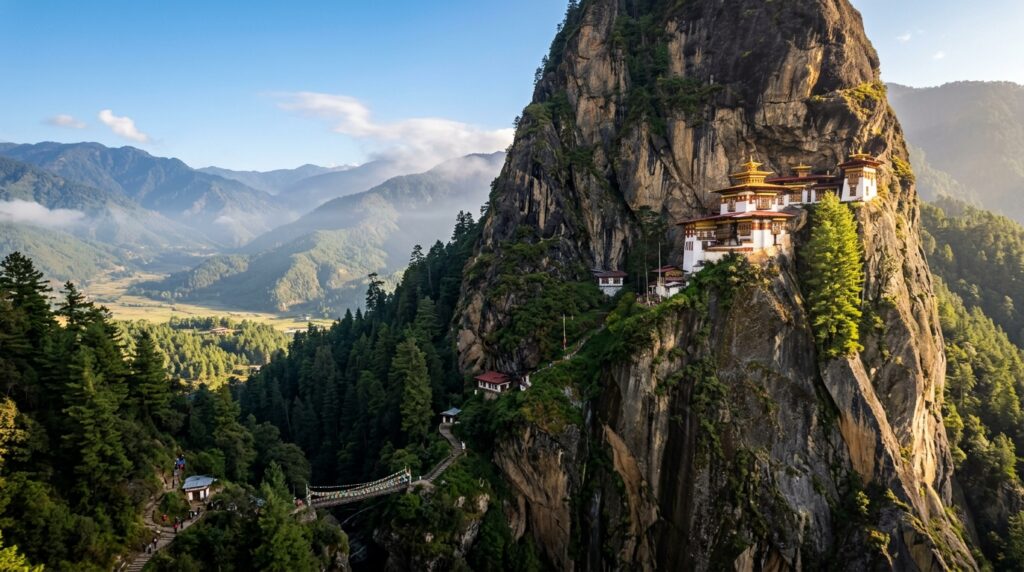
Planning a Budget Trip to Haa Valley from Indore? Haa Valley is Bhutan’s most authentic, pristine, and culturally preserved district. Traveling on a budget to Haa Valley requires clear financial planning around the Sustainable Development Fee (SDF), local homestay bookings, transport across Chele La Pass, and hiking permits. Travel Path Holiday helps Indori travelers optimize every rupee for an unforgettable Himalayan getaway. Overview Planning a budget trip to Haa Valley offers travelers from Indore an unparalleled window into Bhutan’s untouched high-mountain culture, sacred monasteries, and alpine pine forests without inflating travel expenses. Tucked away in the western corner of Bhutan near the border of Tibet, Haa Valley was only opened to foreign tourists in 2002, making it one of the least commercialized valleys in the Kingdom. For budget-conscious travelers, Haa is a hidden sanctuary: authentic village homestays replace pricey luxury resorts, local farmhouse dining replaces expensive hotel buffets, and scenic alpine trails offer free, breathtaking adventures. With proper financial planning—spanning the Sustainable Development Fee (SDF) of INR 1,200 per night, shared or private SUV transport across the stunning Chele La Pass (3,988 meters), cozy traditional homestay tariffs, and regional permits—an immersive 3-day to 4-day excursion into Haa Valley can easily fit within a practical budget. This comprehensive guide covers exact cost breakdowns, local dining expenses, transit strategies from Indore, hiking permit guidelines, and money-saving travel advice. Local Logistical Advice for Indore Travelers 1. Air and Overland Transit Options from Indore Traveling from Malwa’s commercial hub in Indore to the serene heights of Haa Valley involves two major travel routes: Flight Route (Fastest & Convenient): Take an early morning flight from Indore’s Devi Ahilya Bai Holkar Airport (IDR) to Indira Gandhi International Airport, Delhi (DEL) or Netaji Subhash Chandra Bose International Airport, Kolkata (CCU). From Delhi or Kolkata, connect on a direct international flight operated by Drukair or Bhutan Airlines to Paro International Airport (PBH). *Pro-tip for Indori Travelers:* Book your IDR-DEL/CCU flight on a single PNR or allow at least 3 to 4 hours layover to clear luggage transfer before catching the morning flight to Paro. From Paro Airport, Haa Valley is roughly 65 km away via the scenic Chele La Pass (approx. 2.5 to 3 hours drive by private cab). Train & Overland Route (Maximum Budget Savings): Board an express train from Indore Junction (INDB) to Howrah / Kolkata or New Jalpaiguri (NJP) / Hasimara Railway Station. From Hasimara or NJP, take a short road transfer (cab or local bus) to the Indo-Bhutan border town of Phuentsholing. After completing border entry clearance at Phuentsholing, travel overland via the Phuentsholing–Chhukha–Thimphu–Haa highway (approx. 165 km, 6 to 7 hours drive). 2. Climate Transition: From Indore’s Heat to High-Altitude Alpine Chills Indore’s tropical dry climate features warm summers reaching 38°C–42°C and mild winters. Haa Valley, situated at an altitude of over 2,700 meters (8,900 feet), experiences cool alpine weather year-round: Summer (May to August): Daytime temperatures range between 15°C and 22°C, accompanied by frequent high-altitude rains. Soft thermals and lightweight waterproof jackets are essential. Autumn (September to November): Crisp, crystal-clear mountain skies with daytime temps around 10°C to 16°C and night temperatures dropping to 2°C–5°C. Heavy woolens are mandatory. Winter (December to February): Severe sub-zero temperatures (0°C to -8°C) with occasional snowfall over Chele La Pass. Heavy thermal layers, down jackets, and insulated gloves are non-negotiable. 3. Prepaid Tourist SIM Cards & Connectivity Standard Indian prepaid SIM cards (Airtel, Jio, Vi from MP circle) cease operating once you cross into Bhutan under national roaming limits. Local Tourist SIM Purchase: Upon arrival at Paro Airport or Phuentsholing border immigration, purchase a local tourist SIM card or eSIM from TashiCell or B-Mobile. Cost: Standard tourist SIM packs cost approximately BTN/INR 200 to INR 500, which includes 5GB to 15GB of 4G data valid for 7 to 14 days. Coverage in Haa: TashiCell and B-Mobile provide solid 4G/LTE connectivity in Haa town and major village homestays, though signal strength may dip along high mountain trekking trails. International roaming packages can also be activated prior to departing Indore, but local tourist SIMs remain far more economical. Complete Details & Practical Guidelines 1. Sustainable Development Fee (SDF) Guidelines for Indian Travelers The Sustainable Development Fee is mandatory for all foreign tourists visiting Bhutan, designed to preserve the country’s pristine environment and cultural heritage. Standard Tariff for Indian Nationals: INR 1,200 per adult per night. Child Concessions: Children aged 6 to 12 receive a 50% discount (INR 600 per night). Children under 6 years of age are completely exempt from the SDF. Pre-Payment & Permits: The SDF must be pre-paid online during the entry permit application process. Travel Path Holiday handles all pre-payment logistics and permit approvals directly so your entry documents are ready before departure from Indore. Budget Impact: For a 3-night stay in Haa Valley, the SDF totals INR 3,600 per adult. Factoring this fee into your initial itinerary budget avoids any last-minute surprises. 2. Haa Valley Homestay Pricing & Accommodations Staying in a traditional Bhutanese homestay is the single best way to keep your trip affordable while experiencing authentic Bhutanese village life. Unlike expensive luxury resorts in Paro or Thimphu, Haa Valley’s homestays offer warm hospitality, wood-fired *bukhari* heaters, and home-cooked meals. Budget Homestays (INR 1,500 – INR 2,500 per night for 2 adults): *Features:* Cozy wooden rooms, shared or attached traditional bathrooms, complimentary hot Tibetan tea, and stunning views of the Haa Chu river or surrounding apple orchards. *Top Recommended Villages:* Dumchoe Village, Noba Village, and Katsho Village. Mid-Range Heritage Homestays (INR 2,800 – INR 4,200 per night): *Features:* Private en-suite bathrooms, traditional hot stone bath availability (on request for ~INR 800–1,200 per session), and spacious wood-paneled rooms with handcrafted Bhutanese textiles. Inclusions: Most homestay tariffs include home-cooked breakfast and traditional dinner, significantly slashing your daily food expenditures. 3. Food & Dining Costs in Haa Valley Dining in Haa Valley is centered around fresh mountain produce, buckwheat specialties, and hearty winter broths. Average Meal Cost: INR 250 – INR 450 per meal per

Tour Packages & Guides

Top 10 Things to Do in Phobjikha Valley cranes: Sightseeing Itinerary

Overview Nestled at an elevation of 3,000 meters (9,800 feet) in the Wangdue Phodrang district of central Bhutan, Phobjikha Valley (also widely known as Gangtey Valley) is a breathtaking, U-shaped glacial valley that feels worlds away from urban life. Famous globally as the winter nesting sanctuary of the rare, endangered Black-necked Cranes (*Grus nigricollis*), this serene alpine wetland combines untouched nature, 17th-century Buddhist spirituality, and traditional Bhutanese valley life. Every year between late October and mid-March, hundreds of majestic cranes migrate here from the high Tibetan Plateau, circling the historic Gangtey Monastery three times upon arrival and departure as if performing a sacred *kora*. For travelers from Central India seeking an authentic, off-the-beaten-path Himalayan retreat, Phobjikha Valley offers an enchanting itinerary. From walking the famed Gangtey Nature Trail and visiting the Crane Conservation Centre to experiencing traditional hot stone baths (*Dotsho*) and staying in wooden farmhouses warmed by *bukhari* stoves, Phobjikha presents a rare blend of eco-tourism and cultural immersion. This definitive guide curated by Travel Path Holiday outlines the top 10 things to do in Phobjikha Valley, along with practical logistical advice tailored specifically for travelers departing from Indore. Local Logistical Advice for Indore Travelers Planning a journey from the flat plateau of Malwa to the high-altitude glacial meadows of Phobjikha requires strategic transit planning, climate adjustments, and permit management. Here is everything Indori travelers need to know before embarking on this Himalayan trip. 1. Reaching Bhutan & Phobjikha Valley from Indore Air Travel Route (Fastest Option): Board a direct flight from Indore’s Devi Ahilya Bai Holkar Airport (IDR) to Kolkata (CCU) or New Delhi (DEL). From Kolkata or Delhi, take a connecting flight operated by Drukair (Royal Bhutan Airlines) or Bhutan Airlines directly into Paro International Airport (PBH). Overland Route via West Bengal Border: For travelers preferring a scenic rail-and-road trip, take the *Malwa Express* or *Karma Bhumi Express* from Indore Junction to Howrah/New Jalpaiguri or Hasimara Railway Station (located just 18 km from the Indo-Bhutan border at Jaigaon/Phuentsholing). After completing entry immigration at Phuentsholing, hire a private driver to travel inland. On-Ground Highway Transit to Phobjikha: From Paro Airport, Phobjikha Valley is approximately 165 km away (a 6.5 to 7-hour mountain drive via Dochula Pass and Wangdue Phodrang). From Thimphu, it is 135 km (5 hours), and from Punakha, it is 78 km (3 hours). Vehicles must cross the scenic Lawala Pass (3,300m) before descending into the tranquil Phobjikha bowl. 2. Climate Shift & High-Altitude Preparedness Indore’s tropical dry climate (with pleasant winter averages around 15°C to 28°C) contrasts sharply with Phobjikha’s sub-alpine conditions. At 3,000 meters, Phobjikha experiences sub-zero night temperatures (-1°C to -8°C) between November and February, with frost covering the valley floor each morning. Summer temperatures (May to August) range between a cool 10°C and 18°C. Packing Essentials: Central Indian travelers should pack thermal base layers, heavy down jackets, woolen caps, thermal socks, windproof jackets, and comfortable waterproof hiking boots for nature trails. 3. SIM Cards & Mobile Connectivity Warning Mobile Network Notice: Indian prepaid SIM cards (Airtel, Jio, Vi) from Madhya Pradesh do not work under national roaming anywhere in Bhutan. Upon arrival at Phuentsholing border or Paro Airport, purchase a local Bhutanese tourist SIM card (TashiCell or B-Mobile). A standard 14-day tourist SIM with 5GB to 10GB of data costs approximately Nu./₹500. Internet connectivity in Phobjikha Valley is available in major lodges and farmstays, though speeds may fluctuate in remote trail areas. 4. Sustainable Development Fee (SDF) & Entry Permits Indian passport holders are required to pay a Sustainable Development Fee (SDF) of ₹1,200 per adult per night (and ₹600 per child aged 6–12 per night). Additionally, traveling east beyond Thimphu and Punakha into the Wangdue Phodrang region requires a regional route permit. Travel Path Holiday arranges all SDF clearances, route permits, and private luxury vehicle approvals (Innova Crysta or Fortuner) seamlessly prior to your departure from Indore. 5. Currency & Payment Guidelines The Bhutanese Ngultrum (Nu.) is pegged 1:1 with the Indian Rupee (INR). Indian currency notes (₹100, ₹200, ₹500) are accepted across all farmstays, shops, and restaurants in Phobjikha Valley. Note that digital UPI payments (GPay, PhonePe) used in Indore do not operate directly in Bhutan, so carrying adequate physical INR cash is recommended. Complete Details & Practical Guidelines Top 10 Things to Do in Phobjikha Valley #### 1. Visit the Black-necked Crane Information Centre & Birdwatching Sanctuary Located in Gangtey, the Royal Society for Protection of Nature (RSPN) Crane Centre is the focal point for eco-tourism in the valley. The facility features informative exhibits detailing the migratory patterns of the Black-necked Cranes (*Grus nigricollis*), roosting ecology, and local conservation initiatives. Key Highlights: The centre houses high-powered spotting scopes and optical telescopes pointing toward the roosting wetlands below. Visitors can watch a gripping 15-minute conservation documentary film and meet “Karma,” a rescued resident crane cared for by sanctuary naturalists. Best Time for Spotting: Mid-November to mid-February, early mornings and late afternoons when cranes fly between feeding grounds and roosting marshlands. Entry Fee: Nu./₹150 per person. Operating Hours: 9:00 AM – 5:00 PM (Daily). #### 2. Hike the Scenic Gangtey Nature Trail (Tenkhor Hike) The Gangtey Nature Trail is arguably the most famous and accessible day hike in Bhutan. Starting from the hilltop courtyard of Gangtey Monastery, this gentle 5.5-kilometer trail winds downhill through flower-filled meadows, dense blue pine forests, and bamboo groves, offering uninterrupted vistas of the vast open valley floor. Route Details: Gangtey Monastery → Semchubara Village → Blue Pine Forest → Khewang Lhakhang. Difficulty & Duration: Easy; approximately 1.5 to 2 hours of easy walking. Suitable for families, seniors, and casual walkers. Highlights: Panoramic photo viewpoints overlooking the crane roosting area, wooden footbridges crossing mountain streams, and fresh alpine air. #### 3. Explore the 17th-Century Gangtey Monastery (Gangteng Sanga Choeling) Perched on a forested ridge overlooking the entire expanse of Phobjikha Valley, Gangtey Monastery is a masterwork of traditional Bhutanese architecture and the principal seat of the Pema Lingpa tradition of Nyingma Buddhism. Founded in 1613 by

Bhutan Honeymoon

How to Reach Punakha Suspension Bridge from Indore: Flight & Train Routes

Overview Spanning 160 meters across the roaring turquoise waters of the Pho Chhu River, the Pakha Suspension Bridge (commonly known as the Punakha Suspension Bridge) is one of the longest and most breathtaking suspension bridges in Bhutan. Connecting the historic Punakha Dzong with the scenic agricultural villages of Shengana, Samdingkha, and Punakha Valley, walking across this suspension bridge draped in colorful Buddhist prayer flags (*lungta*) offers an unforgettable alpine experience. For travelers departing from Indore and Central India, reaching this iconic landmark requires navigating air or rail gateways into Eastern India, crossing the Himalayan border at Phuntsholing or landing at Paro, and taking a spectacular mountain drive across the 3,100-meter Dochula Pass. This comprehensive guide outlines every logistical detail from Indore to the Punakha Suspension Bridge—including flight schedules, train connections, entry permits, road routes, and practical travel guidelines. Local Logistical Advice for Indore Travelers Traveling from the Malwa plateau to the serene valleys of Bhutan requires well-coordinated travel itineraries across air, rail, and mountain road networks. 1. Air Travel Routes from Indore (IDR) Flying is the quickest and most convenient way for Indori travelers to reach Bhutan: Option A: Indore to Paro via Kolkata (Most Preferred) Flight 1 (Domestic): Board a morning flight from Devi Ahilya Bai Holkar Airport (IDR) to Netaji Subhash Chandra Bose International Airport, Kolkata (CCU). Direct or 1-stop flights operate daily via IndiGo and Air India (approx. 2 to 3.5 hours). Flight 2 (International): From Kolkata (CCU), take a direct flight operated by Drukair (Royal Bhutan Airlines) or Bhutan Airlines to Paro International Airport (PBH). Flight duration is approximately 1 hour 15 minutes. Onward Drive to Punakha: From Paro Airport, hire a private SUV to Punakha via the Thimphu-Punakha Highway (approx. 125 km / 4 to 4.5 hours drive). Option B: Indore to Paro via New Delhi Flight 1 (Domestic): Fly from Indore (IDR) to Indira Gandhi International Airport, New Delhi (DEL) (approx. 1 hour 30 minutes direct flight). Flight 2 (International): Board a non-stop Drukair or Bhutan Airlines flight from Delhi (DEL) to Paro (PBH) (approx. 2 hours 20 minutes). Option C: Indore to Bagdogra (Fly + Border Road Route) Flight: Fly from Indore (IDR) to Bagdogra Airport (IXB) in West Bengal via a connecting flight in Kolkata or Delhi. Road Connection: Take a pre-booked taxi from Bagdogra to the Indo-Bhutan border at Jaigaon / Phuntsholing (approx. 170 km / 4.5 to 5 hours drive). After immigration clearance at Phuntsholing, continue by road to Thimphu and Punakha. 2. Train Travel Routes from Indore (INDB) For travelers who prefer rail journeys across North and Eastern India: Option A: Indore to Hasimara (Nearest Railway Station to Bhutan Border) Leg 1: Board the Indore-Howrah Shipra Express (Train No. 22911/12295) from Indore Junction (INDB) to Kolkata (Howrah). Leg 2: From Howrah or Sealdah Station, board the Kanchankanya Express (13149) or Uttarbanga Express to Hasimara Railway Station (HSA) in West Bengal. Hasimara is located just 18 km (30–40 minutes auto/taxi drive) from the Jaigaon-Phuntsholing border gate. Option B: Indore to New Jalpaiguri (NJP) Take a train connection from Indore (INDB) to New Jalpaiguri Junction (NJP) via Kolkata or New Delhi rail corridors. From NJP Station, hire a private cab or shared taxi to Jaigaon/Phuntsholing (approx. 125 km / 3.5 to 4 hours drive). 3. Highway Road Coordinates: Phuntsholing to Punakha If entering Bhutan via the land border at Phuntsholing, your road journey to the Punakha Suspension Bridge covers two major legs: Leg 1: Phuntsholing to Thimphu (165 km / 5.5 to 6 hours) winding through steep subtropical mountains, waterfalls, and immigration checkpoints at Gedu and Chukha. Leg 2: Thimphu to Punakha (74 km / 2.5 to 3 hours) ascending to Dochula Pass (3,100 meters elevation) before descending into the warm, subtropical Punakha Valley (1,200 meters elevation). Total Border-to-Bridge Distance: Approx. 240 km (8 to 9 hours scenic mountain drive). 4. Climate Transition & Packing Essentials Indore rests on the Malwa plateau at ~550 meters elevation with a dry, tropical climate. Traveling to Bhutan brings significant elevation changes: Paro & Thimphu Valleys: Elevated between 2,200 and 2,350 meters, offering crisp, cool mountain air. Dochula Pass: High mountain pass at 3,100 meters elevation where winds are chilly and temperatures drop significantly (especially from October to March). Punakha Valley: Sits at a lower elevation of 1,200 meters with a warmer, semi-tropical microclimate. Clothing Advice: Indori travelers should dress in layers—thermal innerwear and a heavy windproof jacket for the mountain pass, paired with breathable cotton shirts for Punakha Valley walks. Sturdy, closed-toe walking shoes with non-slip rubber soles are essential for crossing the swaying suspension bridge safely. 5. Mobile Connectivity & Tourist SIM Cards Standard Indian domestic SIM cards (Jio, Airtel, Vi) automatically switch to international roaming upon crossing the border or landing in Paro: Local Tourist SIMs: Obtain a local TashiCell or B-Mobile tourist SIM card or eSIM upon arrival at Paro International Airport or the Phuntsholing Pedestrian Terminal. Cost & Activation: A 30-day tourist SIM costs approximately Nu. 200 to Nu. 500 (₹200 to ₹500) and includes generous mobile data bundles (5GB to 15GB). Carry a physical photocopy of your Indian Passport or Voter ID and approved entry permit for instant activation. Complete Details & Practical Guidelines 1. Permit Clearance & SDF Regulations for Indian Passport Holders Indian nationals enjoy special travel privileges in Bhutan, but must strictly abide by entry permit regulations: Mandatory Travel Documents: Indian citizens must present an Original Indian Passport (with at least 6 months remaining validity) OR an Original Voter Identity Card issued by the Election Commission of India. *Note: Aadhar cards, PAN cards, and driving licenses are NOT accepted for immigration entry permits.* Children under 18 without a passport must carry an original birth certificate along with a valid school identity card. Sustainable Development Fee (SDF): All Indian tourists must pay an SDF of ₹1,200 (Nu. 1,200) per adult per night. Children aged 6 to 12 receive a 50% concession (₹600 per night), while children below 6 years are exempt. Entry Permit: Issued at Paro

Bhutan Honeymoon

Best Time to Visit Thimphu Dzong: Month-by-Month Weather Guide

Overview The best time to visit Thimphu Dzong (officially known as *Tashichho Dzong*), the majestic fortress and administrative seat of Bhutan’s capital, is during the autumn months of September to November and the spring months of March to May. During autumn, Thimphu experiences brilliant azure skies, daytime temperatures between 15°C and 22°C, crisp mountain air, and the celebrated Thimphu Tshechu festival, where monks and laymen perform sacred masked Cham dances in the dzong’s grand courtyard. Spring brings mild weather, daytime temperatures around 18°C, and spectacular floral blooms of wild rhododendrons and magnolias across the surrounding Wangchu river valley. While Thimphu Dzong is open year-round to visitors outside of government office hours, choosing the right month significantly influences your experience. Winter (December to February) brings cold, sunny days and sub-zero nights with zero tourist crowds, whereas the summer monsoon (June to August) brings heavy afternoon downpours and lush green valley vistas. This comprehensive month-by-month weather, temperature, festival, and logistics guide helps travelers plan an unforgettable Himalayan journey to Bhutan’s grandest monastic fortress. Local Logistical Advice for Indore Travelers Traveling from the dry, tropical plains of Malwa in Madhya Pradesh to the high-altitude Himalayan valley of Thimphu (situated at 2,320 meters / 7,610 feet above sea level) requires careful logistical planning. Here are concrete, actionable travel coordinates for Indori travelers: Flight and Transit Routes from Indore 1. Air Route via New Delhi (DEL) or Kolkata (CCU): Depart from Indore Devi Ahilya Bai Holkar Airport (IDR) on an early morning flight to Indira Gandhi International Airport, New Delhi (DEL) or Netaji Subhash Chandra Bose International Airport, Kolkata (CCU). Board connecting international flights operated by Bhutan’s national carrier Drukair or Bhutan Airlines to Paro International Airport (PBH). Total flight transit time from Indore to Paro is typically 8 to 12 hours including layovers. From Paro Airport, Thimphu Dzong is a comfortable 1.5-hour drive (50 km) along the scenic Paro-Thimphu highway. 2. Overland Route via Hasimara / Phuentsholing: Take a long-distance express train from Indore Junction (such as the Ahilyanagari Express or connecting trains via Howrah) to Hasimara Railway Station (WB) or New Jalpaiguri (NJP). Alternatively, fly from Indore (IDR) to Bagdogra Airport (IXB) near Siliguri. Proceed by taxi to the Jaigaon-Phuentsholing border gate (approx. 4 hours from Bagdogra). After clearing immigration at Phuentsholing, complete a scenic 4.5-hour uphill drive (165 km) via Gedu and Chhuzom to reach Thimphu. Climate & Altitude Transition Temperature Shift: Indore experiences hot summers exceeding 40°C and mild winters around 10°C to 28°C. In contrast, Thimphu sits in an alpine mountain valley where daytime temperatures rarely exceed 26°C even in summer, and winter night temperatures routinely plunge to -2°C or lower. Acclimatization Tip: Indori travelers should carry layered thermal wear, windproof jackets, moisture-wicking inner layers, and UV protection sunblock. Even during pleasant autumn afternoons (20°C), temperatures drop precipitously as soon as the sun dips behind the surrounding ridges of Tashichho Dzong at 5:00 PM. Mobile Connectivity & Prepaid SIM Cards National Roaming Advisory: Standard Indian prepaid SIM cards (Jio, Airtel, Vi) do not operate under national roaming once you enter Bhutanese territory. Local SIM / eSIM Purchase: Upon landing at Paro International Airport or arriving at the Phuentsholing border office, purchase a local tourist SIM card or eSIM from TashiCell or B-Mobile. Registration requires presenting your Indian Passport or Voter Identity Card along with a nominal fee of ~100 to 200 Nu (including data talktime packages). High-speed 4G data works reliably throughout Thimphu town and Tashichho Dzong grounds. Currency Parity & Card Usage Indian Rupee Acceptance: The local currency is the Bhutanese Ngultrum (Nu), which is pegged 1:1 with the Indian Rupee (INR). Cash INR notes of ₹100 and ₹500 denomination are accepted everywhere in Thimphu for souvenirs, dining, and taxis. However, INR ₹2,000 notes are not accepted. Credit/debit cards incur a 3% to 5% international transaction surcharge, so carrying adequate cash INR is strongly advised. Complete Details & Practical Guidelines Sustainable Development Fee (SDF) & Entry Regulations Bhutan enforces a “High Value, Low Impact” tourism policy to preserve its delicate Himalayan ecosystems and rich cultural heritage. All international visitors must pay the Sustainable Development Fee (SDF): SDF Rate for Indian Passport Holders: Indian nationals (holding a valid Indian Passport with minimum 6 months validity or an original Voter ID card) pay a concessional Sustainable Development Fee of ₹1,200 INR per night per adult. Child Concessions: Children aged 6 to 12 receive a 50% discount (₹600 INR per night), while children under 6 years of age are exempt from the SDF. International Travelers (Non-Indian Passports): Non-Indian foreign tourists pay an SDF of $100 USD per night per adult (reduced from the previous rate of $200 USD), plus entry visa processing fees. Entry Permits: Indian tourists must obtain an online Entry Permit before travel or at the Phuentsholing/Paro immigration counters, supported by pre-confirmed hotel vouchers, SDF payment proof, and certified local guide bookings. Where SDF Money Goes: The fee directly finances Bhutan’s free national healthcare system, free public education, green carbon-neutral infrastructure, and the meticulous restoration of heritage monuments like Thimphu Dzong. Visiting Hours & Cultural Etiquette for Thimphu Dzong Tashichho Dzong serves a dual purpose: it houses the throne room and offices of His Majesty the King of Bhutan, government ministries, and the summer headquarters of the central monastic body (*Dratshang*). Visiting Hours for Tourists: Monday to Friday: 5:00 PM to 6:00 PM (Winter: 5:00 PM to 6:00 PM; Summer: 5:30 PM to 6:30 PM) after government administrative offices close. Saturdays, Sundays & National Holidays: 9:00 AM to 5:00 PM. Flag Lowering Ceremony: Visitors arriving between 5:00 PM and 5:30 PM can witness the formal retreat and flag-lowering ceremony conducted by royal military guards accompanied by traditional horn calls. Strict Dress Code: Guests must wear formal, modest attire. Full-length trousers or formal skirts covering knees, collared long-sleeve shirts or jackets are mandatory. Sleeveless tops, shorts, mini-skirts, caps, hats, umbrellas, and flip-flops/open sandals are strictly prohibited inside the dzong complex. Bhutanese locals wear traditional attire (*Gho* for men with white

Tour Packages & Guides

Historical Significance and Architecture of Khajuraho Western Temples

Overview The Western Group of Temples in Khajuraho stands as one of humanity’s most sublime artistic achievements and a flagship UNESCO World Heritage Site in Madhya Pradesh. Built between 950 CE and 1050 CE under the patronage of the Chandela Dynasty, this architectural complex represents the absolute zenith of North Indian Nagara-style temple building. While the broader Khajuraho region once housed 85 magnificent temples across 20 square kilometers, the Western Group contains the largest, most ornate, and best-preserved monuments in the region. Highlighted by structural masterpieces such as the Kandariya Mahadeva, Lakshmana, and Vishvanatha temples, these sandstone monuments are celebrated globally for their towering *shikharas* (spires) that evoke the sacred peak of Mount Kailash and their breathtaking exterior reliefs depicting celestial nymphs (*surasundaris*), divine pantheons, courtly processions, and famous *mithuna* (erotic and spiritual harmony) sculptures. Whether you are an architecture enthusiast, a history scholar, or a traveler exploring Central India’s rich cultural tapestry, understanding the historical significance and design philosophy of the Khajuraho Western Temples transforms a routine sightseeing trip into an unforgettable journey through medieval Indian royalty, cosmology, and master craftsmanship. Local Logistical Advice for Indore Travelers As an Indore-headquartered travel agency with our central office at Commercial Plaza, Vijay Nagar (opposite C21 Mall), Travel Path Holiday regularly organizes customized heritage tours from Indore to Khajuraho. Planning a trip across Madhya Pradesh from Central India requires clear logistical foresight to balance comfort, driving hours, and sightseeing schedules. Here is our native expert guidance for traveling from Indore to Khajuraho: Direct Rail Connections from Indore Junction: The most convenient rail option is the Dr. Ambedkar Nagar / Indore – Khajuraho Superfast Express (Train No. 19663 / 19664), which runs directly between Indore Junction (INDB) and Khajuraho Station (KURJ). Departing Indore in the afternoon, it offers a comfortable overnight journey in AC 2-Tier or AC 3-Tier sleeper classes, bringing you directly to Khajuraho early the next morning refreshed and ready for sightseeing. Chauffeur-Driven Road Trips from Indore: The road distance from Indore to Khajuraho is approximately 600 km via NH44 and MP SH 19 / NH34, passing through Dewas, Ashta, Bhopal, Sagar, and Chhatarpur. Driving time takes roughly 11 to 12 hours. We strongly recommend booking a high-comfort vehicle such as an Innova Crysta or Toyota Fortuner with one of TPH’s experienced highway drivers. A popular itinerary includes breaking the journey with an overnight stay in Bhopal or combining the trip with Orchha (170 km from Khajuraho) or Panna National Park (just 45 km away). Flight Options via Indore Airport: Travelers seeking faster transit can take a domestic flight from Devi Ahilya Bai Holkar Airport (IDR) in Indore to Khajuraho Airport (HJR) via a seamless connecting flight through New Delhi (DEL) or seasonal direct regional routes. Optimal Season & Sightseeing Hours: The ideal time to explore the Western Group temples is from October to March, when daytime temperatures range between a comfortable 15°C and 28°C. We advise entering the monument complex at sunrise (around 6:00 AM to 6:30 AM). Morning light illuminates the eastern sandstone facades with a warm golden hue, creating perfect lighting for photography before afternoon heat sets in. Hand-Vetted Vegetarian Dining near the Complex: Indore travelers accustomed to high culinary standards will find excellent hand-vetted vegetarian options and dining setups within walking distance of the Western Group main entrance. Local restaurants offer freshly cooked pure vegetarian dishes, traditional thalis, and hygienic dining setups suitable for families and senior travelers. Complete Details & Practical Guidelines 1. Historical Context: The Rise of the Chandela Dynasty The story of Khajuraho is inextricably linked to the Chandela Dynasty, a prominent Rajput clan that ruled the Bundelkhand region (historically known as *Jejakabhukti*) between the 9th and 13th centuries. Legend attributes the clan’s origin to Hemavati, a beautiful priest’s daughter, and Chandra, the Moon God. Historically, the Chandelas emerged as feudatories of the Gurjara-Pratihara empire before establishing their independence under King Yashovarman in the mid-10th century. Golden Age of Temple Construction (950–1050 CE): During a century of immense wealth, military victory, and cultural flourish, Chandela rulers transformed their religious capital at Khajuraho into a bustling temple complex. Each king sought to construct a magnificent house of worship to commemorate military triumphs, express devotion to Shiva, Vishnu, and Surya, and showcase empire sovereignty. Key Chandela Rulers: King Yashovarman (c. 925–950 CE): Built the monumental Lakshmana Temple to celebrate his independence and victory over the Rashtrakutas. King Dhanga Dev (c. 950–1002 CE): Erected the stunning Vishvanatha and Vaidyanatha temples, consolidating Chandela supremacy across Central India. King Vidyadhara (c. 1003–1035 CE): The most powerful Chandela monarch, who famously repelled the invasions of Mahmud of Ghazni, commissioned the colossal Kandariya Mahadeva Temple as a grand monument of triumph and spiritual gratitude. Preservation and Rediscovery: Following the decline of the Chandelas in the 13th century after attacks by the Delhi Sultanate, Khajuraho was gradually reclaimed by dense central Indian forests. This natural insulation saved the Western Group from widespread destruction. In 1838, British engineer Captain T.S. Burt was guided to the hidden jungle ruins by local villagers, reintroducing these artistic treasures to the global stage. Out of 85 original temples, 25 survive today, with the Western Group standing as the principal concentration. 2. Architectural Blueprint: The Masterclass of Nagara Style The Western Group of Khajuraho represents the *Panchayatan* and *Nagara* style of temple architecture at its zenith. Unlike South Indian Dravidian temples with large outer enclosure walls (*gopurams*), Khajuraho temples are raised on high masonry platforms (*jagati*) and emphasize soaring verticality, geometric precision, and seamless integration between structural walls and relief sculpture. #### Core Architectural Components: 1. Jagati (Plinth): A high, solid granite and sandstone platform that elevates the temple structure above the ground, serving as a circumambulatory path (*pradakshina patha*) around the exterior. 2. Ardhamandapa (Entrance Porch): An open, pillared entrance porch leading visitors into the temple complex. 3. Mandapa (Hall): An intermediate hall with carved ceiling panels used for assembly and devotional gatherings. 4. Maha-Mandapa (Great Hall): A grand central hall, often featuring transepts with projecting

Tour Packages & Guides

Emergency Numbers, Hospitals & Tourist Police in Bandhavgarh Tiger Reserve

Overview Bandhavgarh Tiger Reserve in Umaria district, Madhya Pradesh, is internationally renowned for its dense tiger population, dramatic Vindhyan topography, and historic ruins. However, traveling into deep sal forests and remote wilderness areas requires proper safety planning and reliable emergency contacts. Whether you are navigating early morning safaris in the Tala, Magdhi, or Khitauli zones, traveling with senior citizens, or managing unexpected medical or mechanical issues, having instant access to emergency helplines, nearby medical facilities, forest department controls, and tourist police is essential. At Travel Path Holiday (TPH), headquartered in Indore, we prioritize traveler safety above all else. This definitive guide provides verified emergency phone numbers, hospital networks spanning Umaria, Katni, and Jabalpur, forest department evacuation protocols, police station contacts, and local logistical advice tailored specifically for travelers embarking from Indore and Central India. Local Logistical Advice for Indore Travelers Traveling from Indore to Bandhavgarh Tiger Reserve covers a distance of approximately 660 to 680 km across the heart of Madhya Pradesh. Because Bandhavgarh is situated in a relatively isolated forest belt in eastern MP, thorough pre-departure medical and emergency planning from Indore ensures a stress-free expedition. Transit Coordinates & Travel Routes from Indore 1. By Road (Private AC Cabs): Route: Indore → Bhopal → Sagar → Damoh → Katni → Umaria → Tala Gate (Bandhavgarh). Drive Time: Approximately 13 to 14 hours. Road Conditions: Smooth 4-lane national highway till Sagar (NH45/NH44), followed by well-maintained 2-lane state highways through Damoh, Katni, and Umaria. Indore Local Tip: When hiring a private vehicle through Travel Path Holiday Indore, we deploy chauffeured Innova Crysta or Fortuner vehicles equipped with GPS tracking, full medical first-aid kits, emergency contact lists, and experienced highway drivers trained in long-haul forest routes. We recommend breaking the long road journey with an overnight halt at Sagar or Damoh, or opting for direct train/flight options. 2. By Train from Indore Junction: Direct Train: The Narmada Express (18233) operates directly from Indore Junction (INDB) to Umaria Railway Station (UMB), which is located just 32 km (~45 minutes) from Tala village gate in Bandhavgarh. Overnight Alternatives: Take an overnight train from Indore Junction to Katni Junction (KTE) (~95 km / 2 hours drive from Tala) or Jabalpur Junction (JBP) (~165 km / 3.5 hours drive). TPH Transfer Service: TPH coordinates pre-arranged private cab pick-ups directly at Umaria, Katni, or Jabalpur railway platforms with 24/7 driver tracking. 3. By Air via Flight Connections: Flight Route: Fly from Indore’s Devi Ahilya Bai Holkar Airport (IDR) to Jabalpur Airport (JLR – Dumna Airport) (direct or via layover in Delhi/Bhopal). Onward Transfer: From Jabalpur Airport, Bandhavgarh is a 165 km (3.5-hour) drive along scenic forest corridors. TPH provides smooth airfield pickups with dedicated air-conditioned vehicles. Pre-Departure Safety Preparation in Indore Medical Kit Stocking: Tala village has basic chemist shops, but specialized prescription medications, anti-allergy medicines, pediatric syrups, and blood pressure/diabetes drugs must be purchased before leaving Indore. Mobile Network Strategy: Mobile connectivity inside the tiger reserve core zones is virtually non-existent. In Tala village, BSNL and Jio offer the most consistent signal strength, while Airtel has spotty coverage. Always save essential emergency numbers offline on your smartphone or print this guide before entering the park belt. Complete Details & Practical Guidelines 1. Forest Department Helplines & Park Administration The Forest Department manages all wildlife safaris, emergency rescues, and hot-zone incidents within Bandhavgarh Tiger Reserve. If a vehicle breakdown, wildlife confrontation, or visitor health issue occurs inside core zones (Tala, Magdhi, Khitauli) or buffer zones (Dhamokhar, Johila, Panpatha), forest officials coordinate immediate assistance via VHF radio networks. Office / Authority Contact Person / Desk Location Contact Number Primary Role Field Director Office Chief Conservator of Forests Umaria HQ +91-7653-222214 / +91-7653-222302 Park Administration & Emergency Directives Deputy Director Office Deputy Director (Research & Ops) Tala Gate +91-7653-222215 Core Zone Operations & Safari Incident Escalation Forest Control Room 24/7 Helpline Desk Umaria HQ +91-7653-222404 / 1800-233-1982 Forest Emergencies, Rescue & Fire Helplines Range Forest Officer (Tala) RFO Tala Range Tala Gate Complex +91-94247-92080 Gate Entry Control & Tala Zone Emergency Evacuation Range Forest Officer (Magdhi) RFO Magdhi Range Gate No. 2 (Magdhi) +91-94247-92082 Magdhi Zone Safari Safety & Patrol Range Forest Officer (Khitauli) RFO Khitauli Range Gate No. 3 (Khitauli) +91-94247-92084 Khitauli Zone Incident Management 2. Tourist Police & Local Police Station Contacts Law enforcement in Bandhavgarh is maintained by the Umaria District Police. Special tourist assistance desks operate near the main entry gates to ensure visitor safety, handle lost property, prevent unauthorized entry, and resolve dispute issues. National Emergency Toll-Free Number: 112 (Single Emergency Response System across MP for Police, Fire, and Ambulance). Police Control Room Umaria: 100 or +91-7653-222100 / +91-7653-222044. Tala Police Outpost (Chowki): Located in Tala Village main square (near Tala Safari Gate). Contact: +91-7653-288210. Dedicated to handling tourist queries, road security, and local emergency calls. Manpur Police Station (Thana): Located ~15 km from Tala on the Umaria-Rewa road. Jurisdiction covers the Magdhi and Khitauli forest outskirts. Contact: +91-7653-288132 / +91-94254-20641. Umaria Superintendent of Police (SP Office): Contact: +91-7653-222026 (Office) for critical law and order emergencies. 3. Medical Facilities & Hospital Network (Tala, Umaria, Katni, Jabalpur) Depending on the severity of a medical issue, healthcare infrastructure is tiered from basic local care in Tala to advanced super-specialty trauma centers in Jabalpur. #### Tier 1: Local Emergency & First Aid (Tala & Manpur) Primary Health Centre (PHC), Tala Village: Located near the main market. Provides immediate basic first aid, fever medication, dressing for minor cuts, and stabilization for heat exhaustion or dehydration. Community Health Centre (CHC), Manpur: Located 15 km from Tala. Equipped with emergency medical officers, anti-snake venom (ASV) injections, basic oxygen cylinders, and 24/7 ambulance service (108). Contact: +91-7653-288120. #### Tier 2: Secondary Emergency & District Care (Umaria – 32 km / 45 mins) District Hospital Umaria: Distance: 32 km from Tala Gate. Facilities: 100-bed facility, Trauma Ward, Emergency Operation Theatre, X-Ray, Blood Bank, ECG, pediatric support, anti-rabies, and anti-venom treatment. Emergency Helpline / ER: +91-7653-222035 / 108. Civil Surgeon Office: +91-7653-222040.

Tour Packages & Guides

Pre-Wedding Shoot & Couple Photography in Maheshwar Ahilya Fort

Overview Perched majestically on the northern banks of the sacred Narmada River, the 18th-century Ahilya Fort in Maheshwar stands as one of Central India’s most enchanting backdrops for pre-wedding shoots and couple photography. Built under the vision of the legendary Maratha Queen Rajmata Ahilyabai Holkar, this architectural marvel combines towering sandstone ramparts, intricate stone-carved *jharokhas* (overhanging balconies), grand arched gateways, and sweeping riverfront *ghats*. For couples seeking a romantic blend of royal heritage, timeless culture, and serene natural beauty, Maheshwar offers an unmatched visual canvas. Unlike conventional indoor studio setups or crowded urban heritage sites, a pre-wedding shoot in Maheshwar allows couples to capture diverse moods within a compact footprint. In a single day, photography crews can capture majestic royal portraits along the fort ramparts, ethereal sunrise moments aboard handcrafted wooden rowboats on the mist-shrouded Narmada, and intimate, culturally rich portraits set against the vibrant pit looms of the historic Rehwa Society weavers. As Indore’s premier travel agency, Travel Path Holiday specializes in managing the complete logistical, permit, and transport framework required to turn your dream Maheshwar couple shoot into a flawless, stress-free experience. Local Logistical Advice for Indore Travelers Because Maheshwar is situated just 95 kilometers south of Indore, it serves as an ideal, effortless day destination or overnight getaway for pre-wedding photography. Driving from Indore to Maheshwar typically takes 2 to 2.5 hours via the well-paved National Highway 52 (AB Road) and State Highway 38 via Dhamnod. For photography crews transporting heavy lighting gear, camera rigs, costume trunks, and makeup kits, private AC vehicle transportation is essential. “` +———————————————————————————–+ INDORE TO MAHESHWAR ROUTE MATRIX +——————-+——————–+—————+————————–+ Starting Point Destination Distance Estimated Travel Time +——————-+——————–+—————+————————–+ Indore City Center Ahilya Fort ~95 km 2 hours 15 mins Indore Airport Ahilya Ghat ~98 km 2 hours 20 mins Ujjain Maheshwar ~145 km 3 hours 15 mins Mandu Maheshwar ~45 km 1 hour 10 mins +——————-+——————–+—————+————————–+ “` Key Transportation & Arrival Coordinates from Indore Air Connections: For couples flying in from Mumbai, Delhi, Bengaluru, or Hyderabad, the nearest airport is Devi Ahilya Bai Holkar Airport (IDR) in Indore, located approximately 98 km from Maheshwar. Travel Path Holiday arranges seamless airport pickup in executive sedans, Innova Crysta, or luxury SUVs direct to your Maheshwar hotel or shoot location. Rail Connections: The primary railway junction is Indore Junction (INDB), connected via direct express trains (such as the Narmada Express, Avantika Express, and Malwa Express). From Indore Junction, our private chauffeur-driven vehicles transport your photography team directly to Maheshwar. Highway & Road Conditions: The route from Indore via Rau Bypass and Dhamnod is smooth, multi-lane highway driving. The final 15-kilometer stretch from Dhamnod to Maheshwar is a comfortable state highway lined with rural landscapes. Vehicle Sizing for Crews: Standard sedans work well for couple-only travel. However, for full photography and videography crews (photographer, cinematographer, drone operator, makeup artist, light assistant, and wardrobe manager), booking a spacious Toyota Innova Crysta or a 12-Seater AC Tempo Traveller ensures ample boot space for garment stands, softboxes, vanity accessories, and luggage. Combining Nearby Circuits: Couples looking to expand their pre-wedding photo portfolio can seamlessly combine Maheshwar with Mandu (~45 km away) for romantic Afghan-style architectural frames at Jahaz Mahal and Hindola Mahal, or Ujjain (~145 km away) for spiritual riverbank portraits. Complete Details & Practical Guidelines Planning a successful pre-wedding shoot at Maheshwar requires a keen understanding of shooting locations, lighting schedules, permit regulations, styling nuances, and wardrobe change logistics. Below is an exhaustive practical manual designed to guide couples and photography teams. “` [ MAHESHWAR PRE-WEDDING SHOOT LOCATIONS ] +—————–+—————–+ [ AHILYA FORT ] [ NARMADA GHATS ] [ REHWA SOCIETY ] Ramparts Ahilya Ghat Handloom Pit Looms Rajwada Courtyard Sunrise Boating Yarn Spindles Stone Chhatris Evening Diyas Heritage Brick Sheds “` 1. Key Photography Locations & Framing Guidelines #### A. Ahilya Fort Ramparts & Heritage Wada Complex Visual Highlights: Massive brown sandstone fortification walls, intricate Maratha-style wooden ceilings, open courtyard gardens, ornate *jharokhas*, and elevated view balconies overlooking the river bend. Best Time for Light: Golden Hour Morning (6:30 AM – 8:30 AM) and Late Afternoon (4:00 PM – 5:30 PM). Morning sun casts soft golden highlights over the riverward ramparts, while afternoon light warms the inner sandstone courtyards. Iconic Shots: *The Royal Courtyard Frame:* The couple walking through the archways of the Ahilya Wada courtyard surrounded by brass lamps and carved wooden pillars. *The River Overlook:* Wide-angle shot of the couple standing on the fort ramparts with the sprawling Narmada River and distant ghats sweeping across the frame background. *Stone Chhatri Silhouette:* Framed portraits beneath the ornate stone cenotaphs (*chhatris*) of the Holkar rulers located near the fort entrance. #### B. Narmada River Ghats & Handcrafted Wooden Rowboats Visual Highlights: Sweeping flights of wide stone stairs (*Ahilya Ghat*) stepping directly into the serene waters of the Narmada River, framed by historic temples and fort towers. Best Time for Light: Dawn/Sunrise (6:00 AM – 7:30 AM) and Dusk/Sunset (5:30 PM – 6:30 PM). Early morning shoots benefit from gentle mist rising off the Narmada and flocking river birds, while sunset brings warm reflections and glowing dusk skies. Iconic Shots: *Sunrise Wooden Boat Drift:* The couple seated in a traditional wooden rowboat decorated with fresh marigold strings, drifting gently along the river water while the fort glows behind them in early morning sun. *Ghat Walk:* A candid walking sequence along the massive stone steps of Ahilya Ghat, capturing trailing saree borders and reflective water puddles. *Evening Diya Lighting:* Twilight shot of the couple floating traditional brass oil lamps or leaf *diyas* onto the Narmada River at dusk. #### C. Rehwa Society & Handloom Weaving Workshops Visual Highlights: Established in 1979 within the fort grounds to preserve Maheshwar’s royal weaving tradition, Rehwa Society features rustic brick workshops, traditional wooden pit looms, and vibrant skeins of raw silk and cotton threads. Best Time for Light: Mid-Morning (10:00 AM – 12:00 PM), utilizing soft diffused window light filtered through the open workshop screens. Iconic Shots: *Yarn & Loom Textures:* Candid close-up

Tour Packages & Guides

ATM, Cash & Mobile Connectivity Guidelines in Kanha Tiger Reserve

Overview Planning a wildlife safari deep into the teak and sal forests of Kanha Tiger Reserve promises unforgettable encounters with Royal Bengal tigers, hard-ground barasingha, and pristine wilderness. However, traveling into one of India’s most famous national parks requires practical financial and communication planning. Many first-time visitors expect seamless digital payments, ubiquitous ATMs, and uninterrupted 5G coverage—only to find themselves stuck without physical cash to pay safari guides, tipping gypsy drivers, or settling local forest entry surcharges. Understanding the reality of the mobile network in Kanha Tiger Reserve, ATM availability near key entry gates (Khatia, Mukki, and Sarhi), and cash necessities is vital for a hassle-free trip. Written by the local travel specialists at Travel Path Holiday (TPH), based right here in Indore, this comprehensive guide provides exact on-ground details, cash recommendations, gate-by-gate ATM maps, network operator benchmarks, and practical tips to ensure your jungle safari runs smoothly without digital payment breakdowns. Local Logistical Advice for Indore Travelers As Indore locals, the team at Travel Path Holiday frequently plans forest getaways from Malwa to the Maikal Hills of Eastern Madhya Pradesh. Kanha Tiger Reserve sits approximately 510 km to 540 km east of Indore. Whether you choose to drive by private vehicle, hire an AC cab, or take an overnight train, proper transit and cash planning must start before you leave Indore. Transit & Route Logistics from Indore By Road (Private AC SUV / Cab): Driving from Indore to Kanha takes roughly 10 to 11 hours. The standard route heads east via the Indore–Bhopal Highway, continuing along NH45 through Hoshangabad (Narmadapuram), Pipariya, Narsinghpur, and Jabalpur, before heading south to Mandla and Mocha village (Khatia Gate). Alternatively, for travelers heading to Mukki Gate, the route proceeds via Lakhnadon, Seoni, and Balaghat. We strongly advise filling your wallet with adequate cash while passing major urban centers like Indore, Bhopal, or Jabalpur. By Train: Board direct overnight trains from Indore Junction (such as the *Indore–Jabalpur Express* 12923 or *Narmada Express* 18233) to Jabalpur Railway Station (approx. 480 km, 9–10 hours). From Jabalpur, a 3.5 to 4-hour scenic road drive (~165 km) brings you to Khatia or Mukki Gate. Another convenient rail connection is taking the *Indore–Gondia Express* (19317) to Gondia Junction, followed by a 2.5-hour private taxi transfer (~120 km) straight to Mukki Gate. Indore Cash Withdrawal Strategy: Do not wait until you reach Mocha village or Mukki Gate to look for cash. Withdraw your complete trip cash reserve at reliable ATMs in Indore (such as Vijay Nagar, Palasia, or Indore Junction railway station area) or during your transit halt in Jabalpur city. Complete Details & Practical Guidelines 1. ATM Availability Near Kanha Safari Gates (Khatia, Mukki & Sarhi) Kanha Tiger Reserve spans over 940 sq km of core forest area surrounded by a 1,005 sq km buffer zone. Tourist accommodation and safari entry points are spread across three main gates: Khatia (Mocha), Mukki, and Sarhi. ATM infrastructure around these forest fringes is extremely scarce and subject to long power cuts or network link failures. Safari Gate / Fringing Village Primary Nearest ATM Location Distance from Gate Reliability & Cash Availability Status Khatia Gate (Mocha Village) Mocha Village (SBI / Bank of Maharashtra) 3 – 5 km Unreliable. Frequently out of cash during peak safari weekends; frequent power cuts. Khatia Gate (Town Backup) Mandla District Town 45 km High Reliability. Multiple nationalized bank ATMs (SBI, HDFC, ICICI) with consistent cash reserves. Mukki Gate (Baihar Belt) Baihar Town (SBI / HDFC) 14 km Moderate. Best local option for Mukki stays, but long queues and cash dry-outs occur on holidays. Mukki Gate (Malanjkhand) Malanjkhand Mining Town 25 km Moderate-High. Industrial township ATMs often refilled regularly. Sarhi Gate (Bheemdongri) Bichhia Town (SBI) 15 km Low-Moderate. Remote rural ATM; frequent network link downtime. Transit Hub Backup Jabalpur City / Gondia Junction 120 – 165 km 100% Reliable. Complete cash replenishment point before entering forest zones. #### Detailed Gate Breakdown: Khatia Gate (Mocha Fringes): Mocha is the commercial hub for tourists entering Kanha from the northern side. While an ATM exists in Mocha village, it relies on local rural broadband and single-grid electricity. During peak holiday seasons (October to April), cash depletes within hours. If it fails, your nearest guaranteed ATM is in Mandla town, a 90-minute round trip drive. Mukki Gate (Southern Buffer): Mukki is quieter and surrounded by dense sal forests and luxury safari lodges. There are no active ATMs right at Mukki Gate. You must drive 14 km to Baihar township or 25 km to Malanjkhand. Sarhi Gate (Northern Buffer): Located near Bheemdongri, Sarhi is the most remote gate. Never rely on finding an operational ATM anywhere within a 15 km radius of Sarhi. 2. Why Cash is Mandatory in Kanha Tiger Reserve Despite India’s rapid digital payment revolution, the eco-sensitive forest buffer of Kanha operates primarily on cash. Expecting to pay via digital wallets or bank cards at safari gates will lead to significant disruption. #### Critical Cash Expenses to Account For: 1. Safari Guide Fees & Tips: Every tourist gypsy entering Kanha core zones must pick up a compulsory MP Forest Department certified nature guide at the gate. The mandatory guide fee (approx. ₹600 per safari slot) must be settled in cash at the gate counter or directly given to the guide. Tipping guides and naturalists (typically ₹300 – ₹700 per safari based on service and sighting experience) is strictly expected in cash notes. 2. Gypsy Driver Union Charges & Fuel Surcharges: Local open-top 4×4 Maruti Gypsies are operated by the local Kanha Gypsy Drivers Association. While initial safari permit bookings are done online, driver allowances, vehicle rental balances (approx. ₹2,500 – ₹3,200 per drive), and gate registration fees are collected in physical cash. 3. Forest Department Counter Payments: On-the-spot camera permit fees (for professional telephoto lenses above 250mm), vehicle entry registration updates, and entry tickets to the Kanha Museum at Khatia require exact cash payments. 4. Local Tribal Souvenirs & Dhaba Dining: Buying authentic Baiga tribal handicrafts, wooden carvings, local forest

Tour Packages & Guides

Local Shopping Guide in Mandu Jahaz Mahal: Authentic Souvenirs

Overview Mandu, the legendary citadel of joy perched dramatically across the Vindhya Range in Central India, is renowned for its romantic Afghan architecture, monsoon misty plateau, and the iconic floating palace of Jahaz Mahal. Beyond its grand stone arches, ancient baobab trees, and peaceful lakes, Mandu holds an exceptional treasure trove of traditional Malwa handicrafts and unique botanical keepsakes. If you are planning a trip to this historic hilltop town, shopping in Mandu Jahaz Mahal offers a rewarding cultural experience where centuries-old craftsmanship meets raw, authentic local heritage. From authentic hand-block-printed Bagh print textiles dyed in nearby Narmada river villages to wild-harvested Khorasani Imli (giant African Baobab fruit seeds), hand-carved Malwa sandstone miniatures, and traditional metalwork, Mandu’s local markets reflect the rich artistic pulse of Dhar district. As travel specialists headquartered in Indore—just a short ~90 km drive from Mandu—we at Travel Path Holiday (TPH) have compiled this insider shopping guide. Whether you are looking for certified government handicraft outlets, artisan workshops near the Jahaz Mahal complex, or advice on avoiding cheap synthetic counterfeits, this guide delivers everything you need for an authentic Mandu souvenir shopping expedition. Local Logistical Advice for Indore Travelers For travelers starting their journey from Indore or landing at Devi Ahilya Bai Holkar Airport (IDR), Mandu serves as one of the most accessible and captivating weekend getaways in Madhya Pradesh. Having our head office rooted in Indore allows us to share practical, on-the-ground logistical advice to make your shopping and sightseeing seamless: Driving Distance & Route: Mandu is situated approximately 90 km southwest of Indore. The most direct and comfortable road route is via the Indore – Rau – Pithampur – Dhar – Mandu highway (NH47 connecting to SH-38). The drive takes around 2 to 2.5 hours through rolling countryside and the scenic Mandu Ghats. An alternative scenic route via Mhow, Manpur, and Gujri is also popular during the monsoon season. Transport & Boot Space Considerations: If you plan to buy heavy sandstone carvings, framed stone relief work, or multi-piece Bagh print home linens, hiring a dedicated private vehicle (such as an AC sedan or Innova Crysta) from Indore is highly recommended. Public state transport buses can be cramped and risk damaging fragile stone art or delicate handloom items. Best Time of Day for Shopping: Most craft stalls and government outlets surrounding the Jahaz Mahal monument compound open around 9:00 AM and operate until 6:00 PM. We advise completing your monument sightseeing (Jahaz Mahal, Hindola Mahal, and Taveli Mahal) during early morning hours, followed by souvenir browsing between 11:00 AM and 2:00 PM when artisan stalls are fully stocked and master craftspersons are available for personalized interactions. Payment Methods & Cash Preparation: While major government emporiums (such as Mrignaynee) and established stores near Jahaz Mahal accept UPI payments (Google Pay, PhonePe, Paytm) and cards, mobile network signals (Airtel/Jio) can sometimes drop inside deep stone monuments or near remote valley viewpoints. Always carry ₹2,000 to ₹5,000 in cash notes (₹100 and ₹500 denominations) for small roadside fruit vendors, tribal craft sellers, and independent stone carvers. Outstation Connections: Travelers arriving via overnight trains at Indore Junction (INDB)—such as the Narmada Express or Ahilyanagari Express—can have a private TPH chauffeur pick them up directly from the station platform for an immediate drive to Mandu, incorporating customized shopping stops at Dhar town along the way. Complete Details & Practical Guidelines 1. Authentic Bagh Prints: The Textile Identity of Malwa Bagh printing is a legendary, centuries-old hand-block printing technique originating from Bagh village, located just ~50 km west of Mandu in Dhar district. Recognized with a Geographical Indication (GI) tag, true Bagh print textiles are crafted using 100% natural vegetable, mineral, and floral dyes applied with hand-carved teakwood blocks onto soft cotton and silk fabrics. Dyeing & Craft Process: The fabric undergoes a rigorous multi-step washing process in the iron-rich waters of the Baghini river. Black dye is derived from oxidized iron and jaggery; deep red comes from madder root (alizarin); yellow is extracted from pomegranate rinds and turmeric. Motifs are heavily inspired by nature, floral vines (*nandana*), geometric lattices (*jaali*), and ancient cave paintings from the 5th-century Bagh Caves. Top Items to Buy: Pure Cotton Sarees & Dupattas: Lightweight, breathable sarees ideal for tropical Indian climates featuring traditional red, black, and indigo block patterns. Tussar & Maheshwari Silk-Cotton Blends: Elegant festival wear sarees and stoles showcasing metallic borders alongside subtle Bagh block prints. Home Linens & Running Fabric: Hand-block-printed bedspreads, cushion covers, table runners, and unstitched dress material sold by the meter. Price Benchmarks: Pure Cotton Bagh Print Saree: ₹1,200 – ₹2,800 Silk-Cotton / Tussar Silk Saree: ₹2,800 – ₹6,500 Bagh Print Cotton Dupatta: ₹450 – ₹1,200 Running Cotton Fabric (per meter): ₹180 – ₹400 How to Spot Real Bagh Prints: Genuine Bagh prints have a faint earthy smell of natural dyes, river clay, and castor oil. Because each block is pressed manually, you will notice subtle, endearing irregularities in block overlap—a hallmark of true handloom artistry. Beware of cheap screen-printed polyester lookalikes sold at rock-bottom prices (under ₹500), which lack natural dye depth and wash out quickly. 2. Khorasani Imli (Baobab Fruit Seeds): Mandu’s Unique Botanical Treasure One of Mandu’s most distinctive features is the presence of giant *Adansonia digitata* (Baobab) trees, locally known as Khorasani Imli or *Mandu ki Imli*. These majestic, thick-trunked trees were originally brought to the Malwa plateau centuries ago by medieval Afghan rulers and African traders from Khorasan and East Africa. Mandu is one of the extremely rare regions in mainland India where these ancient trees flourish. Culinary & Health Profile: The hard, velvety green-brown pods contain a powdery, pale-white pulp surrounding dark seeds. It offers a delightfully tart, citrusy-tangy taste packed with natural Vitamin C, calcium, fiber, and essential minerals. Popular Products & Uses: Raw Baobab Pods: Whole dry fruit pods that can be cracked open to extract raw pulp. Khorasani Imli Candy & Digestive Churna: Sweet-and-sour digestive candies rolled in rock salt, cumin, and black pepper, perfect as edible travel gifts.

Tour Packages & Guides

Seniors & Kids Safe Travel Guidelines in Ujjain Mahakal Lok Corridor

Planning a family pilgrimage to the holy city of Ujjain? If you are traveling with elderly parents or toddlers, understanding accessibility is key. This guide outlines how to seamlessly navigate the sprawling Ujjain Mahakal Lok Corridor directly from Indore, ensuring a safe, stress-free, and spiritually enriching experience. Overview The Ujjain Mahakal Lok Corridor, inaugurated as one of India’s largest religious transit complexes, is a breathtaking architectural marvel that beautifully depicts stories from the Shiva Purana. However, because of its vast size—spanning over 900 meters in length—families planning a pilgrimage often worry about the physical demands it might place on elderly relatives and young children. Fortunately, the corridor has been built with modern accessibility and convenience in mind. With proper preparation—such as knowing how to book wheelchair facilities, locating golf cart boarding points, finding baby care rooms, choosing crowd avoidance times, and obtaining VIP quick entry cards—senior citizen travel in Ujjain Mahakal Lok Corridor can be comfortable, safe, and deeply rewarding. As an Indore-based travel agency, Travel Path Holiday has designed this comprehensive guide to ensure that your family trip from Indore to Ujjain is hassle-free from start to finish. Local Logistical Advice for Indore Travelers For families departing from Central India’s transit hub, Indore, the journey to Ujjain is quick and convenient, but traveling with vulnerable age groups requires specific planning: Choosing the Right Mode of Transport: While local trains and buses connect Indore and Ujjain, they are often crowded and lack boarding support. For families with seniors or toddlers, we highly recommend booking a private air-conditioned vehicle from Indore. The 55 km drive via the 4-lane Indore-Ujjain Road (SH-27) takes only about 1 to 1.5 hours, providing a smooth, door-to-door transit without fatigue. Flight and Rail Transfers: If you are flying into Devi Ahilyabai Holkar Airport (IDR) in Indore from cities like Delhi or Mumbai, or arriving via the Malwa Express at Indore Junction, arrange a direct cab transfer to Ujjain. If you arrive late in the evening, we advise staying overnight at a comfortable hotel in Indore and starting for Ujjain early the next morning. Strategic Timing for Departure: To avoid the harsh afternoon sun and heavy late-night crowds, aim to depart Indore either early in the morning (around 5:30 AM) to reach Ujjain for a morning darshan, or in the early afternoon (around 2:00 PM) to experience the corridor as the spectacular evening lighting begins. Check our detailed guide on the Best Time to Visit Ujjain Mahakal Lok Corridor to align your trip with pleasant weather conditions. Complete Details & Practical Guidelines Navigating the extensive Mahakal Lok complex with elderly parents or toddlers is stress-free when you make use of the specialized facilities on-site. 1. Wheelchair Facilities and Ramp Access The Shri Mahakaleshwar Temple Management Committee (SMTMC) provides wheelchair facilities for visitors with limited mobility. Where to Find Them: Wheelchairs are available at the primary entrance points, specifically near the Triveni Sangam Gate (Gate No. 1) and the Pinaki Gate. Ramp Availability: All major steps, transition zones, and security check pathways within the corridor are equipped with gently sloping ramps alongside the stairs, allowing easy navigation for strollers and wheelchairs. Assistance: You can request a dedicated helper at the counter, or a family member can push the wheelchair across the smooth, paved red-stone walkways of the corridor. 2. Battery-Operated Golf Carts (E-Vehicles) To minimize walking distances within the 900-meter corridor, battery-operated golf carts run regularly across designated routes. Eligibility: Priority boarding is given to senior citizens, pregnant women, specially-abled individuals, and parents carrying infants. Boarding Points: The main golf cart station is situated near the Triveni Sangam Gate entrance. Carts transport eligible passengers safely through the corridor closer to the main temple entrance gates. Cost: The service is either free or available for a nominal fee, making it an essential resource for senior citizen travel in Ujjain Mahakal Lok Corridor. 3. VIP Quick Entry Cards (Sheghra Darshan) Standing in general queuing lines for darshan can take anywhere from 2 to 6 hours during peak times, which is highly impractical for elderly travelers and young children. The Solution: Purchase the Sheghra Darshan (Quick Darshan) Ticket / VIP Card, which costs INR 250 per person. How It Helps: This ticket bypasses the standard multi-tiered queue, redirecting you to a fast-track route that typically reduces the waiting time to 30–45 minutes. Where to Book: It is strongly recommended to pre-book these tickets online through the official Shri Mahakaleshwar Temple website before departing from Indore. Alternatively, you can purchase them at designated SMTMC offline counters near the main entrance gates, though queues there can be long on weekends. 4. Baby Care Rooms and Rest Areas For families traveling with infants and toddlers, the corridor features clean and secure amenities: Feeding Rooms: Dedicated, air-conditioned baby care rooms are located near the visitor holding areas and toilet blocks. These spaces provide privacy for nursing mothers. Diaper Changing Stations: Restrooms inside the corridor complex are equipped with basic diaper-changing platforms. Rest Pavilions: Shaded sitting areas and benches are placed at regular intervals of 50–100 meters along the corridor, allowing elderly travelers to sit and rest while enjoying the murals and fountains. 5. Crowd Avoidance Times and Optimal Visiting Hours Crowd management is critical for safety when traveling with vulnerable family members. Days to Avoid: Stay away from Ujjain on Saturdays, Sundays, national holidays, and during major festivals like Maha Shivratri or the holy month of Shravan. Best Days to Visit: Tuesdays, Wednesdays, and Thursdays are significantly quieter. Best Time of Day: Morning Option: Arrive at the corridor by 7:00 AM. The air is cool, the crowd is minimal, and the atmosphere is serene. Afternoon/Evening Option: Plan your entry around 4:00 PM. This allows you to complete the temple darshan during a quieter afternoon slot and walk through the corridor exactly at sunset when the lights are turned on, avoiding the massive night-time tourist rush that peaks after 7:30 PM. 6. Dining and Hydration: Hand-Vetted Vegetarian Options Keeping kids and seniors fed with clean,

You have been successfully Subscribed! Ops! Something went wrong, please try again.

About Us

Travel Path Holiday is a full-service travel company dedicated to delivering seamless, personalized, and memorable travel experiences. We specialize in crafting customized journeys for both corporate and leisure travelers, ensuring every trip is stress-free and enjoyable.

Destinations

Kashmir

Manali

Leh-Ladakh

Nepal

Bhutan

Blog

  • All Post
  • Adventure, Trekking & Road Trips
  • Andaman
  • Bali Honeymoon
  • Bhutan Honeymoon
  • Dubai Honeymoon
  • Family & Leisure
  • Goa Honeymoon
  • Gujarat
  • Himachal Honeymoon
  • Himachal Pradesh
  • Honeymoon & Romance
  • India Travel Guides
  • Kashmir Honeymoon
  • Kerala Honeymoon
  • Nepal Honeymoon
  • Rajasthan Honeymoon
  • Seasonal & Monsoon Specials
  • Sikkim & Northeast
  • Singapore Honeymoon
  • Spiritual & Pilgrimage
  • Thailand
  • Tour Packages & Guides
  • Uttarakhand Honeymoon

Travel Path Holiday, Indore | © 2026 Travel Path Holiday. All Rights Reserved. | Website crafted by Amit Nayak, India

Scroll to Top