Premium family summer vacation tour package destination
Family & Leisure

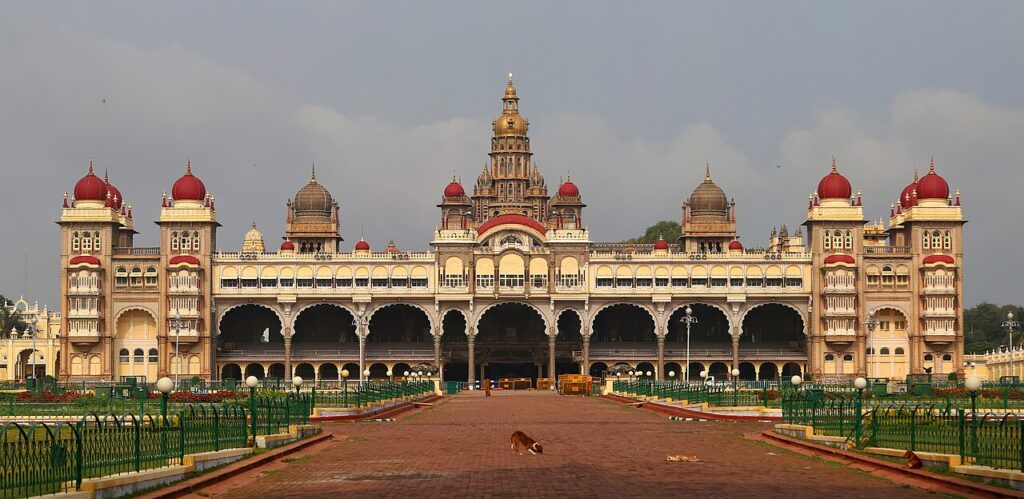
Mysore Family Autumn Guide: Dussehra Festival and Palace Illumination

Mysore (Mysuru), the cultural capital of Karnataka, is world-famous for its grand heritage, royal palaces, and traditional sandalwood crafts. In autumn (October), the city hosts its grandest celebration: the Mysore Dasara (Dussehra). The entire city is decorated in lights, and the magnificent Mysore Palace is illuminated by nearly 100,000 lightbulbs. For families, this is a spectacular cultural holiday. Kids will love the royal elephant parade and the exhibition grounds, while elders can enjoy the pleasant autumn weather, visit Chamundeshwari Temple, and shop for authentic silk and sandalwood. It is a grand, royal family getaway. Why Mysore, Karnataka is the Perfect Family Friendly Destination in Autumn The pleasant autumn climate is ideal for outdoor walks and temple visits. The city’s clean roads, well-managed traffic, and family-oriented heritage hotels ensure a comfortable, royal holiday for senior citizens and children. Top Things to Do in Mysore, Karnataka in Autumn 📍 Mysore Palace Illumination The grand palace is lit up in gold by thousands of lightbulbs every evening during Dussehra. Walking through the illuminated royal gates with your family is a spectacular sight. 📍 Jumboo Savari (Dussehra Elephant Parade) The highlight of Dussehra. Watch highly decorated royal elephants lead a grand cultural parade through the city streets on Vijayadashami day. 📍 Chamundeshwari Temple & Chamundi Hills Drive up the Chamundi Hills to visit the ancient 12th-century temple. The hill offering panoramic views of the city below is a popular family stop. Suggested 3-Day Travel Itinerary for Mysore, Karnataka 📅 Day 1: Arrival & Palace Illumination Arrive in Mysore, check in, and spend the afternoon exploring the grand interiors of Mysore Palace. Stand outside in the evening to witness the grand illumination. 📅 Day 2: Chamundi Hills & Zoo Visit Visit Chamundi Hills in the morning to see the temple and the giant Nandi Bull. In the afternoon, take the kids to the historic Mysore Zoo, one of the oldest in India. 📅 Day 3: Brindavan Gardens & Departure Visit the Brindavan Gardens in the morning, famous for its musical fountain show. Shop for Mysore Silk saris and sandalwood products before departing. Travel Tips for Your Trip to Mysore, Karnataka 📅 Best Time to Visit in Autumn: October for the grand 10-day Dussehra festival and the best autumn weather. ✈️ How to Reach by Air: Mysore Airport (MYQ) has limited flights. Kempegowda Airport in Bangalore (BLR) is 180 km away, connected to international destinations. 🚂 How to Reach by Train: Mysore Junction (MYS) is a major railhead, well-connected to Bangalore, Chennai, and Hyderabad via fast trains (Vande Bharat). 🚗 How to Reach by Road: Connected by a smooth 6-lane Bangalore-Mysore expressway. Driving takes just 2.5 hours from Bangalore. 🎒 What to Pack: Smart casuals, comfortable walking shoes, sun hats, sunblock, and cameras. 🎁 Exclusive Travel Offer: Plan Your Dream Vacation Today! Planning a vacation can be overwhelming, but we are here to help! Let our travel experts craft a fully customized travel itinerary tailored exactly to your preferences and budget. Special Promo: Book your getaway through this blog post and claim a 10% to 15% discount on early bird packages! 👉 Click here to chat with our travel experts on WhatsApp (+91 7869926222) Or save our number and message us directly at 7869926222 with the promo code TPH10-15 to claim your discount code!
Premium family summer vacation tour package destination
Family & Leisure

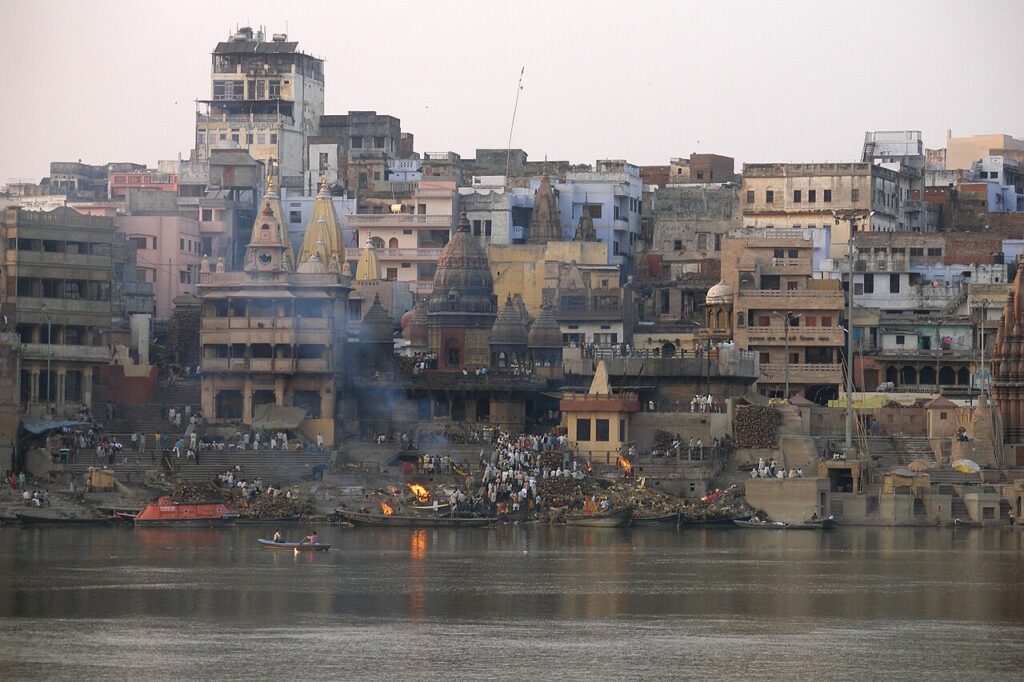
Varanasi Family Autumn Guide: Dev Deepawali, Ghats, and Ganga Aarti

Varanasi (Kashi), one of the oldest continuously inhabited cities in the world, is the spiritual heart of India. In autumn (October to November), the city undergoes a magical transformation, culminating in the spectacular festival of Dev Deepawali (the Diwali of the Gods). The blazing summer heat fades, replaced by cool evening breezes and clear skies. For families, Varanasi in autumn is an unforgettable journey. Witness the grand Ganga Aarti, cruise on the river along the historic stone ghats lit up by millions of earthen lamps (diyas), and walk through ancient temples. It is a deeply spiritual, visual, and cultural family experience. Why Varanasi, Uttar Pradesh is the Perfect Family Friendly Destination in Autumn The pleasant autumn climate is ideal for elders to walk along the ghats and visit temples without fatigue. The Dev Deepawali festival offers a visually stunning display that children and adults will remember forever. Top Things to Do in Varanasi, Uttar Pradesh in Autumn 📍 Dev Deepawali Festival & Ghat Lights Celebrated on Kartik Poornima, all the stone ghats of Varanasi are decorated with millions of glowing diyas. Watching this grand light display from a boat is spectacular. 📍 Dashashwamedh Ghat Ganga Aarti The world-famous spiritual ritual where priests cycle grand brass lamps to musical chants. Watching the Aarti from a riverboat with your family is a prime experience. 📍 Day Trip to Sarnath Ruins Located 10 km away, Sarnath is where Lord Buddha gave his first sermon. The quiet deer park, ancient stupas, and the Ashoka Pillar museum are educational for kids. Suggested 3-Day Travel Itinerary for Varanasi, Uttar Pradesh 📅 Day 1: Arrival, Temple Tour & Ganga Aarti Arrive and check in. Visit the Kashi Vishwanath Corridor and Temple in the afternoon. Head to Dashashwamedh Ghat for the evening Ganga Aarti from a private boat. 📅 Day 2: Subah-e-Banaras & Sarnath Trip Wake up early for Subah-e-Banaras at Assi Ghat to witness classical music performances and yoga. Drive to Sarnath in the afternoon for ruins and museum tour. 📅 Day 3: Weaver’s Colony & Departure Visit a local weavers’ colony to see how authentic Banarasi silk saris are woven by hand. Pick up souvenirs before starting your return journey. Travel Tips for Your Trip to Varanasi, Uttar Pradesh 📅 Best Time to Visit in Autumn: October and November for the best autumn weather and the grand Dev Deepawali festival. ✈️ How to Reach by Air: Lal Bahadur Shastri International Airport in Babatpur (VNS) is located 24 km from Varanasi, with regular flights from major Indian hubs. 🚂 How to Reach by Train: Varanasi Junction (BSB) and Pandit Deen Dayal Upadhyaya Junction (DDU) are the primary railheads, well-linked to all major cities. 🚗 How to Reach by Road: Varanasi is well-connected by national highways. Local auto-rickshaws and cycle-rickshaws are popular for exploring the narrow ghat streets. 🎒 What to Pack: Light cotton clothing, comfortable flat walking shoes or sandals, a light shawl or sweater for cool river evenings, sunblock, and cameras. 🎁 Exclusive Travel Offer: Plan Your Dream Vacation Today! Planning a vacation can be overwhelming, but we are here to help! Let our travel experts craft a fully customized travel itinerary tailored exactly to your preferences and budget. Special Promo: Book your getaway through this blog post and claim a 10% to 15% discount on early bird packages! 👉 Click here to chat with our travel experts on WhatsApp (+91 7869926222) Or save our number and message us directly at 7869926222 with the promo code TPH10-15 to claim your discount code!
Premium family summer vacation tour package destination
Family & Leisure

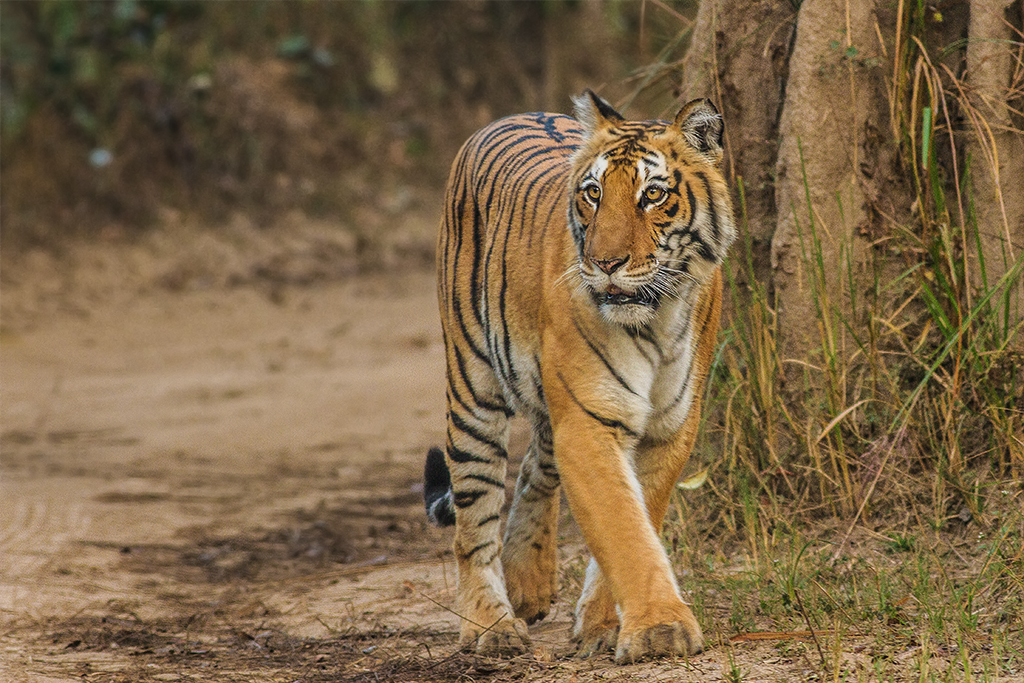
Corbett National Park Family Autumn Guide: Jungle Safaris and River Rafting

Jim Corbett National Park, India’s oldest national park, is a paradise of grasslands, sal forests, and the Ramganga River. In autumn (November), the park reopen its main zones (like Dhikala and Bijrani) after the monsoons, welcoming visitors with clean forests, swelling rivers, and cool mountain air. For families, this is a thrilling wilderness holiday. Take open-jeep safaris to track tigers, watch wild elephant herds bathe in the Ramganga River, spot rare birds, and stay in forest rest houses. It is an adventurous, educational trip that connects kids and adults with nature. Why Corbett National Park, Uttarakhand is the Perfect Family Friendly Destination in Autumn The reopening of the park in November offers fresh, clean forest trails. The availability of high-end jungle lodges with swimming pools and children’s activity zones ensures a comfortable, safe holiday for families. Top Things to Do in Corbett National Park, Uttarakhand in Autumn 📍 Open-Jeep Tiger Safaris Embark on safaris in core zones like Bijrani and Dhikala. Trailing through the dense sal forests while tracking tiger pugmarks is a thrilling family experience. 📍 Staying in Dhikala Forest Lodge Book a stay inside the core forest at the historic Dhikala Forest Lodge. Waking up to the sounds of deer alarm calls and river views is a unique adventure. 📍 River Rafting & Suspension Bridge Enjoy light family river rafting on the Kosi River. Visit the historic Garjia Temple situated on a rock in the middle of the river, crossed by suspension bridges. Suggested 3-Day Travel Itinerary for Corbett National Park, Uttarakhand 📅 Day 1: Arrival & Riverside Relaxation Arrive at Ramnagar, check into your jungle lodge near the park boundary. Spend a relaxing afternoon walking along the Kosi River, enjoying forest views. 📅 Day 2: Tiger Safari & Adventure Activities Take an early morning jeep safari into the Bijrani zone. In the afternoon, enjoy adventure activities like zip-lining at the resort, followed by a bonfire. 📅 Day 3: Garjia Temple & Departure Visit the scenic Garjia Temple and the Corbett Museum at Kaladhungi (former home of Jim Corbett) before starting your return journey. Travel Tips for Your Trip to Corbett National Park, Uttarakhand 📅 Best Time to Visit in Autumn: November to May when all safari zones are open and the weather is dry and pleasant. ✈️ How to Reach by Air: Pantnagar Airport (PGH) is the nearest airport, about 80 km away. Delhi Airport (DEL) is 260 km away, connected to international destinations. 🚂 How to Reach by Train: Ramnagar Railway Station (RMR) is the nearest railhead, just 12 km from the park boundary, with direct trains from Delhi. 🚗 How to Reach by Road: Well-connected by road to Delhi, Nainital, and Ranikhet. Regular luxury buses and private cabs run daily from Delhi. 🎒 What to Pack: Earthy-colored cotton clothing (greens, browns, khakis), light woolens for cool morning safaris, sun hats, sunglasses, sunblock, and cameras. 🎁 Exclusive Travel Offer: Plan Your Dream Vacation Today! Planning a vacation can be overwhelming, but we are here to help! Let our travel experts craft a fully customized travel itinerary tailored exactly to your preferences and budget. Special Promo: Book your getaway through this blog post and claim a 10% to 15% discount on early bird packages! 👉 Click here to chat with our travel experts on WhatsApp (+91 7869926222) Or save our number and message us directly at 7869926222 with the promo code TPH10-15 to claim your discount code!
Premium family summer vacation tour package destination
Family & Leisure

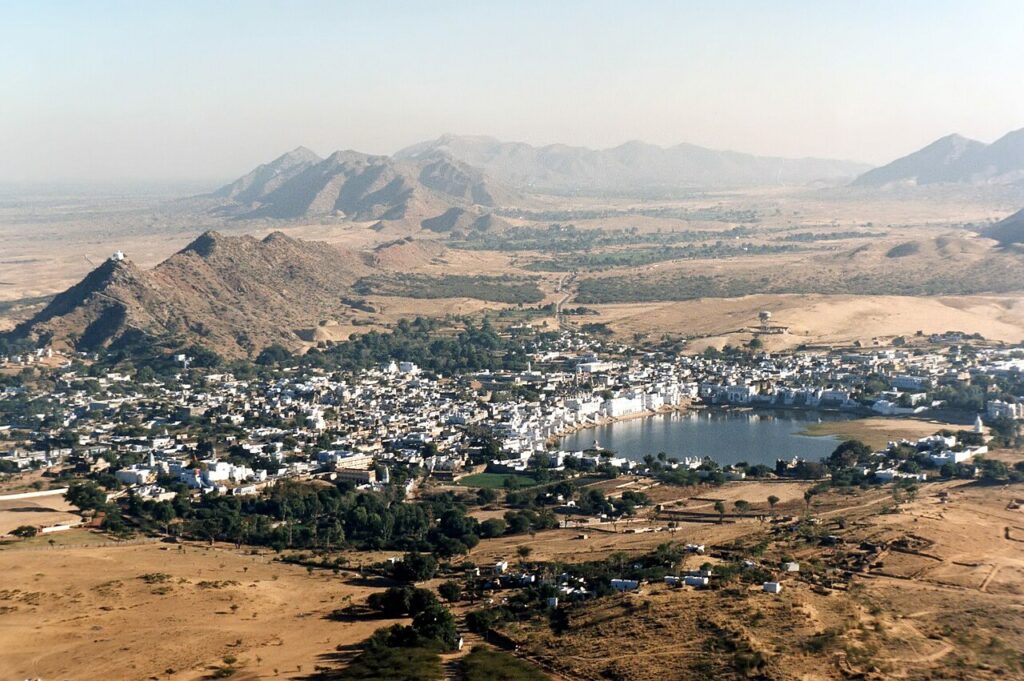
Pushkar Family Autumn Guide: Pushkar Camel Fair and Lake Ghats

Pushkar, one of the oldest and most sacred towns in India, is situated on the shores of the holy Pushkar Lake. In autumn (November), the town comes alive with the famous Pushkar Camel Fair (Pushkar Mela), a grand cultural festival of camels, horses, folk dances, hot air ballooning, and temple fairs. The autumn weather is cool and breezy, making it perfect for outdoor walks and sightseeing. For families, Pushkar in autumn is an exciting cultural holiday. Kids will love the hot air balloon rides and camel parades, while elders can visit the rare Brahma Temple and walk along the lake ghats. It is a vibrant, cultural family escape. Why Pushkar, Rajasthan is the Perfect Family Friendly Destination in Autumn The pleasant autumn climate is ideal for walking tours and temple visits. The Pushkar Camel Fair offers a visually stunning display of Rajasthan’s heritage, with excellent family-friendly tent cities and facilities. Top Things to Do in Pushkar, Rajasthan in Autumn 📍 Pushkar Camel Fair & Cultural Events Witness one of the world’s largest camel fairs. Watch camel beauty pageants, folk dances, and acrobatics, and enjoy the temple fair stalls. 📍 Pushkar Lake & Ghat Walks Visit the holy Pushkar Lake, surrounded by 52 stone bathing ghats. Take a morning walk along the ghats, listening to temple bells and hymns. 📍 Jagatpita Brahma Temple Explore the rare 14th-century temple dedicated to Lord Brahma, the creator, which is one of the few such temples in the world. Suggested 3-Day Travel Itinerary for Pushkar, Rajasthan 📅 Day 1: Arrival & Lake Ghat Sunset Arrive and check in. Spend the afternoon taking a walk around the Pushkar Lake ghats, followed by dinner at a rooftop vegetarian cafe. 📅 Day 2: Pushkar Camel Fair & Hot Air Ballooning Spend the day at the Mela grounds. Enjoy camel cart rides, watch the camel parades, and take a hot air balloon ride in the afternoon for panoramic views. 📅 Day 3: Brahma Temple & Savitri Temple Temple Hike Visit the rare Brahma Temple. Take the cable car up to Savitri Temple on Ratnagiri Hill for panoramic views of the town before departing. Travel Tips for Your Trip to Pushkar, Rajasthan 📅 Best Time to Visit in Autumn: November for the grand Pushkar Camel Fair and the best autumn weather. ✈️ How to Reach by Air: Maharana Pratap Airport in Udaipur (UDR) is 280 km away. Jaipur Airport (JAI) is 146 km away, connected to major cities. 🚂 How to Reach by Train: Ajmer Junction is the nearest major railway station, just 15 km from Pushkar, connected to major Indian cities via direct trains. 🚗 How to Reach by Road: Pushkar is connected by road to Ajmer, Jaipur, and Jodhpur. Cabs and buses operate regularly from Ajmer. 🎒 What to Pack: Light cotton clothing, comfortable flat walking shoes or sandals, sun hats, sunblock, sunglasses, and cameras. 🎁 Exclusive Travel Offer: Plan Your Dream Vacation Today! Planning a vacation can be overwhelming, but we are here to help! Let our travel experts craft a fully customized travel itinerary tailored exactly to your preferences and budget. Special Promo: Book your getaway through this blog post and claim a 10% to 15% discount on early bird packages! 👉 Click here to chat with our travel experts on WhatsApp (+91 7869926222) Or save our number and message us directly at 7869926222 with the promo code TPH10-15 to claim your discount code!
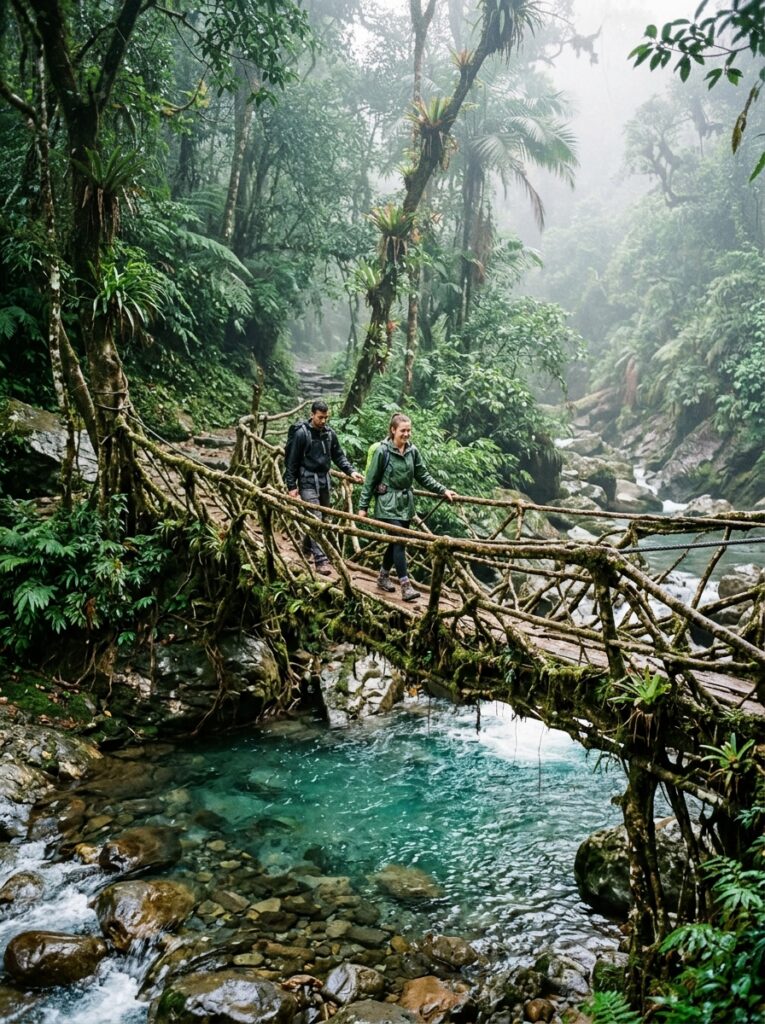
Double decker living root bridges in Cherrapunji Meghalaya
Adventure, Trekking & Road Trips, Family & Leisure, Seasonal & Monsoon Specials

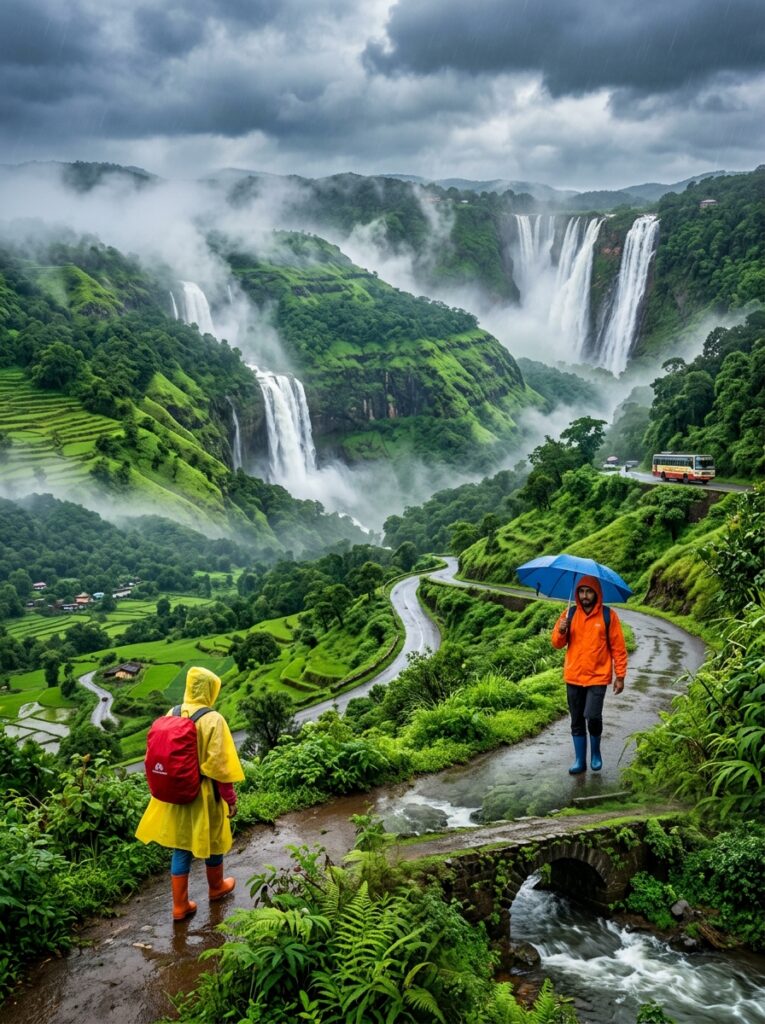
Meghalaya in July: Waterfall Chasing and Living Root Bridges in the Wettest Place on Earth

Focus Keyword: Meghalaya in July SEO Title: Meghalaya in July: The Ultimate Monsoon Travel & Waterfall Guide Meta Description: Experience Meghalaya in July. Find the best waterfalls in Cherrapunji and Shillong, living root bridges trek guide, and custom itineraries. Permalink Slug: meghalaya-monsoon-travel-guide — There is rain, and then there is the Meghalayan monsoon. If you have ever wanted to experience the skies opening up in their full, majestic glory, visiting Meghalaya in July is an experience that belongs at the top of your travel bucket list. Known as the “Abode of Clouds,” this northeastern gem transforms into a lush, emerald paradise during the monsoon season. The state’s famous waterfalls, which run thin in the winter, turn into roaring giants that shake the very ground beneath your feet, while the mist dances through the hills of Shillong and Cherrapunji. For the adventurous traveler, July offers a sensory overload of roaring water, deep green valleys, and ethereal cloud cover. However, planning a trip to the wettest place on Earth during the peak of the monsoon requires preparation, local insight, and a well-structured itinerary. This comprehensive guide details everything you need to know about exploring Meghalaya in July, from the top waterfalls to chase, to trekking the legendary living root bridges, and securing a custom Meghalaya tour package with Travel Path Holiday. — Why Visit Meghalaya in July? While many travelers avoid India’s monsoon season, seasoned adventurers know that Meghalaya is meant to be experienced in the rain. Here is why July is the prime month for an offbeat explorer: 1. Waterfalls in Peak Flow: Iconic falls like Nohkalikai, Wei Sawdong, and Seven Sisters run dry or narrow during the winter. In July, they swell to their maximum volume, creating a dramatic display of natural power. 2. The Living Root Bridges are Alive: The secondary roots of *Ficus elastica* trees, woven together by generations of the Khasi tribe, absorb the monsoon moisture, looking incredibly vibrant, wild, and ancient. 3. Fewer Crowds, More Serenity: July is considered the off-season for standard tourists who fear the rain. This means you can experience the canyons of Laitlum and the caves of Sohra without tourist buses blocking your view. 4. The Ethereal Mist: The landscape changes every minute. One second you are looking at a deep gorge; the next, a thick cloud rolls in, enveloping you in a quiet, white shroud. — Key Highlights of a Monsoon Trip to Meghalaya 1. Chase the Roaring Waterfalls of Sohra (Cherrapunji) Cherrapunji, locally known as Sohra, is the epicenter of monsoon travel in Meghalaya. Some of the must-visit waterfalls include: Nohkalikai Falls: India’s tallest plunge waterfall (340 meters) drops dramatically from a forested cliff into a pool that turns a brilliant turquoise-green. In July, the mist often covers the viewpoint, but waiting for 10 minutes usually rewards you with a breathtaking clearance. Wei Sawdong Falls: A three-tiered waterfall accessible via a steep, rustic trek down bamboo ladders. The emerald pools at each level are incredibly photogenic in the monsoon light. Seven Sisters Falls (Nohsngithiang Falls): A massive nine-tiered waterfall that represents the seven states of Northeast India. It flows in full force only during the peak monsoon. 2. Trek to the Double Decker Living Root Bridge in Nongriat Located deep in the valley near Cherrapunji, the Double Decker Living Root Bridge is a testament to Khasi bio-engineering. To reach it, you must hike down approximately 3,500 concrete steps, crossing suspension bridges over rushing turquoise rivers. In July, the rainforest surrounding the path is alive with the sound of cicadas and rushing streams. 3. The Dramatic Laitlum Canyons Laitlum, which translates to “End of Hills,” offers panoramic views of deep gorges and winding rivers. In the monsoon, the clouds rest right in the valley, making you feel as though you are standing on the edge of the world. — Detailed 5-Day Shillong Cherrapunji Itinerary for July This curated Shillong Cherrapunji itinerary is optimized for monsoon travel, balancing outdoor adventures with safe transit options during heavy rainfall. Day Destination Key Highlights & Activities Recommended Duration :— :— :— :— Day 1 Guwahati to Shillong Arrive in Guwahati, drive to Shillong. Stop at the majestic Umiam Lake (Barapani) for a misty lakeside view. Evening walk through Police Bazar. 3 – 4 Hours Drive Day 2 Shillong Sightseeing to Cherrapunji Visit Laitlum Canyons in the morning. Explore Elephant Falls and the Mawphlang Sacred Grove. Drive to Cherrapunji through mist-covered highways. Full Day (8 Hours) Day 3 The Waterfalls of Sohra Chase Nohkalikai, Wei Sawdong, and Seven Sisters Falls. Explore the limestone formations of Mawsmai Cave and the fossil-rich Arwah Cave. Full Day (7 Hours) Day 4 Nongriat Double Decker Bridge Trek Descend the 3,500 steps to the Double Decker Root Bridge. Swim in the natural pools of Rainbow Falls (optional extension). Return to Cherrapunji. 6 – 7 Hours Trek Day 5 Mawlynnong & Dawki to Guwahati Visit Mawlynnong (Asia’s cleanest village) and walk on the Single Root Bridge. Drive to Dawki to view the Indo-Bangladesh border. Drive back to Guwahati for departure. 8 – 9 Hours Drive & Sightseeing — How to Reach Meghalaya in Monsoon By Air: The nearest major airport is Lokpriya Gopinath Bordoloi International Airport in Guwahati (GAU), located about 120 km from Shillong. Shillong also has a domestic airport (Umroi Airport), but flights are highly dependent on clear weather, which is rare in July. We recommend flying into Guwahati. By Rail: Guwahati Railway Station is well-connected to major Indian cities. From the station, you can hire a private tourist cab or choose a customized transport package from Travel Path Holiday. By Road: The road from Guwahati to Shillong (NH 6) is a beautiful four-lane highway. However, the road from Shillong to Cherrapunji can get extremely misty, requiring experienced local drivers who know how to navigate low-visibility conditions. — IMPORTANT: Monsoon Travel and Safety Tips for Meghalaya * Pack Proper Rain Gear: A standard umbrella will not survive the heavy winds of Sohra. Pack a high-quality, windproof raincoat, waterproof covers

Premium family summer vacation tour package destination
Family & Leisure, Honeymoon & Romance, Seasonal & Monsoon Specials

Mahabaleshwar Family Guide: Strawberries, Misty Viewpoints & Lake Boating

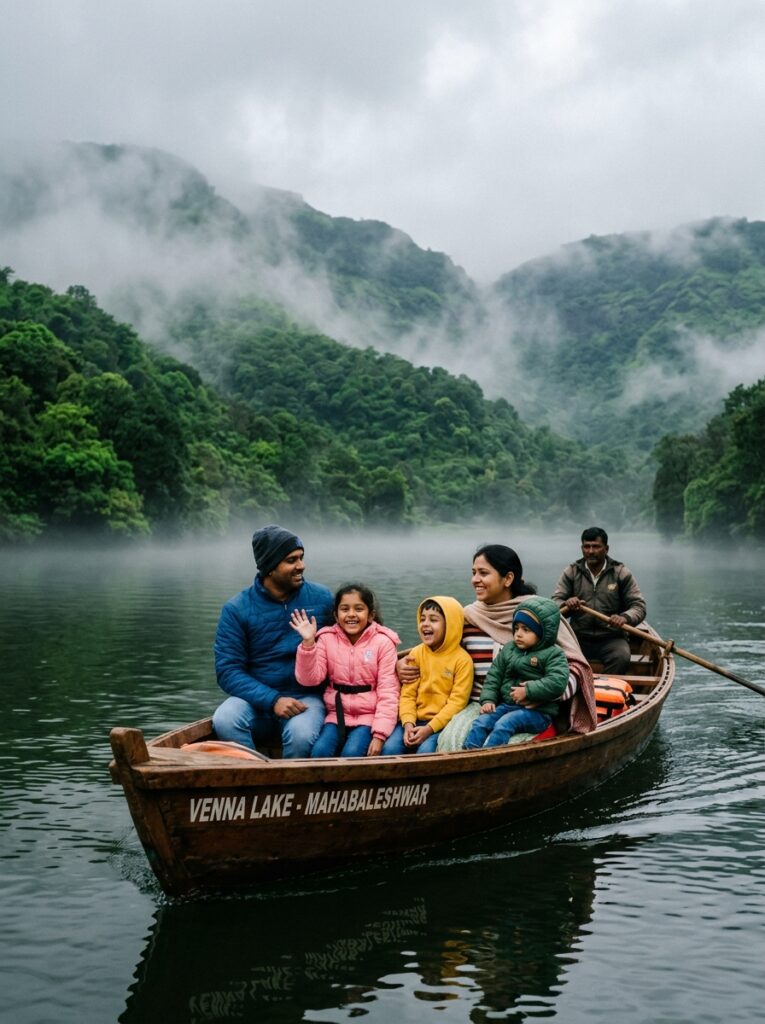
Focus Keyword: Mahabaleshwar family package SEO Title: Mahabaleshwar Family Guide: Strawberries, Misty Viewpoints & Lake Boating Meta Description: Plan a family vacation to Mahabaleshwar in the monsoon. Check out top viewpoints, strawberry farms, and customized weekend packages. Permalink Slug: mahabaleshwar-family-trip-guide — When the monsoon showers sweep across Maharashtra, the Western Ghats drape themselves in a blanket of thick fog, mossy green forests, and hundreds of spontaneous waterfalls. At the heart of this dramatic transformation lies Mahabaleshwar, the ultimate hill station getaway for families seeking respite from the hectic city life of Mumbai and Pune. Known historically as the summer capital of the Bombay Presidency, Mahabaleshwar in July becomes a misty dreamland, smelling of fresh rain, wood smoke, and sweet strawberry preserves. Planning a family trip during the rains can seem intimidating, but with the right guide, it can be a magical experience for children and grandparents alike. From eating wood-fired pizzas at Mapro Garden to viewing roaring waterfalls and riding horses on the misty plateau of Panchgani, this guide is your go-to resource. Discover the perfect itinerary, safety guidelines, and customized Mahabaleshwar family package options offered by Travel Path Holiday. — Why Mahabaleshwar in the Monsoon is Perfect for Families Unlike high-altitude Himalayan treks, Mahabaleshwar offers a comfortable, accessible mountain experience. Here is why families love visiting in July: 1. Pleasant, Cool Weather: Temperatures hover between a comfortable 18°C and 22°C. The scorching summer heat is replaced by cool, refreshing breezes and constant light drizzles. 2. Roaring Waterfalls: Lingmala, Dhobi, and Chinaman’s waterfalls, which are mere trickles in the summer, turn into thunderous spectacles surrounded by deep green foliage. 3. Mapro Garden Delicacies: The famous Mapro Garden serves its iconic strawberry cream (made with preserved/frozen strawberries in the off-season), wood-fired pizzas, and hot chocolate—ideal comfort food for a rainy day. 4. Misty Viewpoints: The famous valleys and cliffs, such as Arthur’s Seat and Elephant’s Head Point, offer a dramatic game of hide-and-seek with the clouds, creating a magical atmosphere for kids. — Must-Visit Places in Mahabaleshwar for Families 1. Lingmala Waterfall This is one of the most beautiful waterfalls in the region. A relatively easy walk along a well-paved forest trail makes it accessible for elderly family members. The trail splits into two: a short walk to the mini-waterfall (perfect for kids to splash safely) and a slightly longer walk to the main viewpoint where the water drops nearly 600 feet into the valley. 2. Mapro Garden, Panchgani No family trip to Mahabaleshwar is complete without spending a few hours at Mapro Garden. Kids love the chocolate factory tour and the beautiful landscaping. Parents can shop for fruit syrups, crushes, and jams. The open-air restaurant is famous for serving massive portions of fresh strawberry cream, grilled sandwiches, and delicious pizzas. 3. Arthur’s Seat (The Queen of Points) Standing at 1,340 meters, Arthur’s Seat offers a dramatic view of the Savitri River on one side and the dense green Jor Valley on the other. It is famous for the geographical phenomenon where light objects thrown into the valley are blown back up by the strong wind currents. 4. Venna Lake While heavy rains might occasionally suspend boating, on clear July afternoons, Venna Lake offers a beautiful, misty boating experience. The banks of the lake are lined with food stalls selling hot corn-on-the-cob (bhutta), strawberry milkshakes, and spicy street food. — Detailed 3-Day Family Itinerary for July This 3-day itinerary is designed to keep travel times short and comfortable, ensuring children and seniors can enjoy the sights without getting fatigued. Day Activity / Attraction Experience Description Recommended Duration :— :— :— :— Day 1 Arrival & Panchgani Exploration Drive from Mumbai/Pune. Stop at Panchgani to visit Parsi Point and Harrison’s Folly for valley views. Enjoy horse riding on Table Land. Check into your Mahabaleshwar resort and enjoy a warm dinner. Full Day (Travel + 3 Hours Sightseeing) Day 2 Waterfall Chasing & Mapro Garden Visit Lingmala Waterfall in the morning when the air is fresh. Head to Mapro Garden for a leisurely lunch, chocolate shopping, and strawberry cream. Spend the evening at Venna Lake enjoying hot snacks and horse riding. Full Day (7 Hours) Day 3 Valley Viewpoints & Pratapgad Fort Visit Arthur’s Seat and Elephant’s Head Point in the morning. Optional drive to the historic Pratapgad Fort to explore Maratha history under the monsoon mist. Depart for Mumbai/Pune. 6 Hours (Before Departure) — How to Reach Mahabaleshwar By Road (Recommended): Mahabaleshwar is easily accessible by road from Mumbai (approx. 260 km, 5-6 hours) and Pune (approx. 120 km, 3 hours). The drive via the Western Ghats is incredibly scenic in July, with small waterfalls lining the highways. By Rail: The nearest railway station is Wathar (60 km), but it has limited connectivity. Pune Railway Station is the most practical railhead, from where you can take a private cab. By Air: Pune International Airport (PNQ) is the nearest airport, located about 120 km away. Mumbai’s Chhatrapati Shivaji Maharaj International Airport (BOM) is another convenient option for long-distance travelers. — WARNING: Monsoon Safety Tips for Family Travel * Drive Cautiously in Fog: The Pasarni Ghat (connecting Wai to Panchgani) and the roads inside Mahabaleshwar experience dense fog in July. Keep hazard lights on, drive at slow speeds, and hire an experienced driver if you aren’t comfortable with hill driving in low visibility. * Keep Seniors Warm: The temperature drops significantly during rains. Ensure you pack light woolen sweaters, shawls, and windcheaters for elderly family members and kids. * Slip-Resistant Footwear: The stone steps at viewpoints like Arthur’s Seat and Pratapgad Fort can become extremely slippery due to moss. Avoid wearing flat sandals or heels; wear sturdy walking shoes with rubber grips. * Carry Mosquito Repellents: The dense vegetation and damp climate lead to an increase in insects. Apply mosquito repellent creams, especially when visiting forested areas like Lingmala. — Where to Eat: Culinary Highlights Mahabaleshwar is a treat for food lovers. During your July family vacation, make sure to try: Fresh Strawberry

Bee Falls waterfall cascade in Pachmarhi Madhya Pradesh
Adventure, Trekking & Road Trips, Family & Leisure, Honeymoon & Romance, Seasonal & Monsoon Specials, Spiritual & Pilgrimage

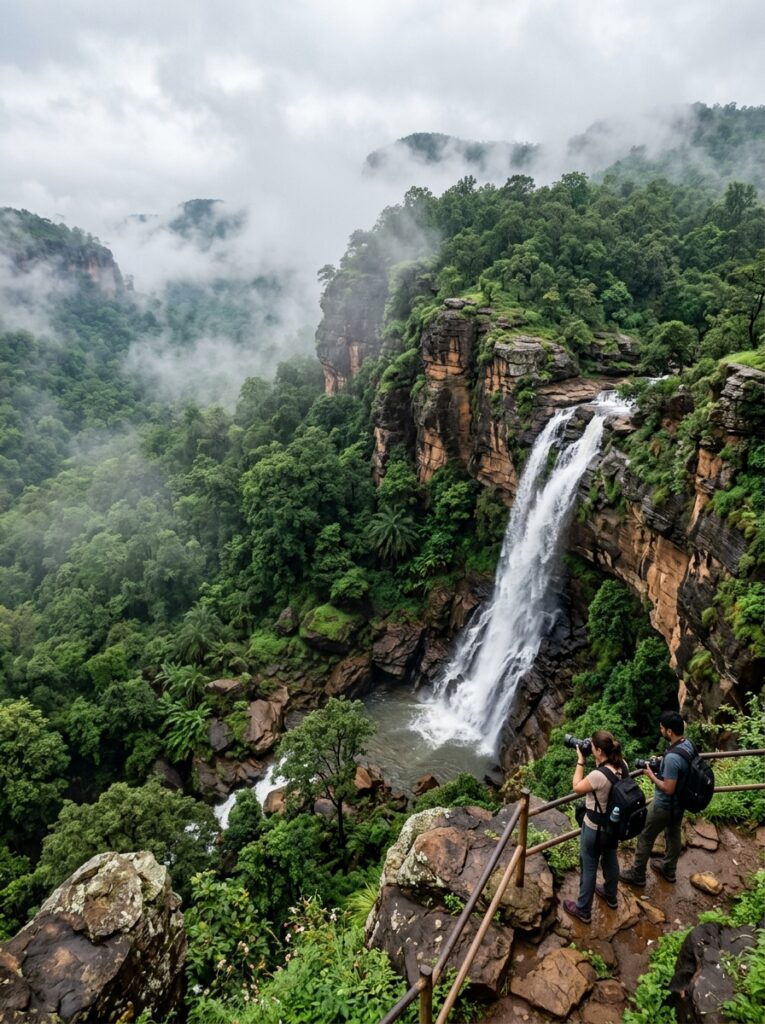
Queen of Satpura: A Complete Monsoon Travel Guide to Pachmarhi

Focus Keyword: Pachmarhi in July SEO Title: Pachmarhi in July: The Complete Monsoon Travel Guide to the Queen of Satpura Meta Description: Discover the beauty of Pachmarhi in July. Get details on caves, waterfalls, viewpoints, and custom Madhya Pradesh tour packages. Permalink Slug: pachmarhi-monsoon-travel-guide — Deep in the heart of Madhya Pradesh, nestled in the rugged Satpura Range, lies Pachmarhi. Widely celebrated as the *Satpura ki Rani* (Queen of Satpura), this is the state’s only hill station and one of its most valuable natural treasures. Standing at an altitude of 1,067 meters, Pachmarhi is a UNESCO Biosphere Reserve, rich in biodiversity, dense sal forests, ancient caves, and archaeological heritage. While Pachmarhi attracts tourists year-round, visiting Pachmarhi in July is a truly elevated experience. As the monsoon rains breathe life into the central Indian forests, the valleys turn a brilliant emerald green, the rocky ravines fill with mist, and the region’s numerous waterfalls—many of which dry up in the summer—roar back to life with incredible force. Whether you are planning a romantic weekend getaway, a family vacation, or a road trip with friends from Indore, Bhopal, or Nagpur, this complete monsoon travel guide will help you plan your journey. Discover the top sights, a detailed itinerary, safety tips, and custom Pachmarhi tour package options with Travel Path Holiday. — Why You Should Visit Pachmarhi in July Pachmarhi offers a unique monsoon experience compared to coastal or Himalayan hill stations. Here is why July is the best time to explore: 1. Spectacular Waterfall Chasing: Waterfalls like Bee Falls, Silver Falls (Rajat Prapat), and Duchess Falls are fed by monsoon rains, making them look majestic and thunderous. 2. Misty Valleys and Ravines: Deep gorges like Handi Khoh and Lanjee Giri fill with shifting clouds, creating a dramatic landscape that changes by the minute. 3. Pristine Forests: The Satpura forests of Sal and Pine look clean, vibrant, and incredibly fresh after the summer dust is washed away. 4. Pleasant Central Indian Climate: Temperatures range from a cool 20°C to a pleasant 26°C, providing a welcome escape from the humid plains. — Must-Visit Attractions in Pachmarhi During Monsoon 1. Bee Falls (Jamuna Prapat) This is Pachmarhi’s most famous waterfall. Tumbling down 35 meters into a rocky pool, the fall creates a fine mist of water droplets that resembles buzzing bees, giving it its name. In July, the waterfall is in full force. There is a well-laid staircase leading down to the pool where visitors can enjoy a refreshing spray. 2. Dhoopgarh (The Highest Point in MP) At 1,350 meters, Dhoopgarh is the highest peak in the Satpura Range and the state of Madhya Pradesh. It is legendary for its sunrise and sunset views. During July, the drive up to Dhoopgarh is enveloped in clouds, and standing at the summit makes you feel like you are floating in the sky. 3. Jata Shankar Cave & Mahadeo Temple These are natural limestone caves dedicated to Lord Shiva. Jata Shankar is situated in a deep ravine where massive rock formations resemble the tangled hair (Jata) of Shiva. A natural stream flows through the cave. The Mahadeo Cave houses a shrine with a natural water pool and stalactite formations. In July, water constantly drips from the cave ceilings, enhancing the spiritual atmosphere. 4. Pandav Caves According to local folklore, these five rock-cut Buddhist caves on a small sandstone hill were used by the Pandavas for shelter during their exile. Today, they are surrounded by beautifully manicured gardens that look exceptionally green and clean in the monsoon rain. 5. Rajat Prapat (Silver Fall) Located close to Apsara Vihar, Rajat Prapat is a single-drop waterfall that plunges 350 feet over a sheer cliff. During the rains, the thin stream of water glistens like a silver thread against the dark, forested rocks, creating a stunning visual contrast. — Detailed 4-Day Pachmarhi Monsoon Itinerary This 4-day itinerary is designed to give you a comprehensive tour of the national park, waterfalls, and historical caves at a relaxed, comfortable pace. Day Destination & Key Activities Highlights Recommended Duration :— :— :— :— Day 1 Arrival & Sunset at Rajendra Giri Arrive in Pachmarhi (via Pipariya railway station or road from Bhopal/Indore). Check into your hotel. Spend the evening walking around the local lake or watching the sunset from Rajendra Giri. 3 Hours (Evening) Day 2 Caves & High Peaks Visit the Pandav Caves in the morning. Head to Jata Shankar Cave and Bade Mahadeo Temple. In the afternoon, take a forest department Gypsy to the Dhoopgarh summit for sunset. Full Day (8 Hours) Day 3 Waterfalls & Ravines Hike down to Bee Falls. Visit Apsara Vihar (Fairy Pool) and view Rajat Prapat (Silver Falls). Visit the spectacular 300-foot deep forest ravine of Handi Khoh. Full Day (7 Hours) Day 4 Duchess Falls Trek & Departure Take a short morning trek to Duchess Falls (for active travelers) or visit Christ Church (British-era architecture). Shop for local honey and herbal medicines. Depart for your return journey. 4 Hours (Before Departure) — How to Reach Pachmarhi By Rail (Most Convenient): Pipariya Railway Station (PPI) is the nearest railhead, located about 54 km away. Pipariya is well-connected to major cities like Mumbai, Delhi, Kolkata, Jabalpur, Indore, and Bhopal. From Pipariya, private cabs take about 1.5 hours to reach Pachmarhi via a winding ghat road. By Road: Pachmarhi is well-connected by road to Bhopal (210 km, 4.5 hours), Indore (340 km, 7 hours), and Nagpur (260 km, 5.5 hours). The roads are in good condition, and the ghat section from Matkuli onwards is exceptionally scenic in July. By Air: The nearest airport is Raja Bhoj Airport in Bhopal (BHO) or Nagpur Airport (NAG). You can hire a private taxi from either airport to reach the hill station. — IMPORTANT: Monsoon Safety & Forest Regulations in Pachmarhi * Forest Department Permits: Since Pachmarhi is a Biosphere Reserve, many sights (like Bee Falls, Dhoopgarh, and Duchess Falls) lie inside the national park area. You must hire registered 4×4 open-top Gypsys and

Banasura Sagar dam boating and green hills in Wayanad Kerala
Family & Leisure, Honeymoon & Romance

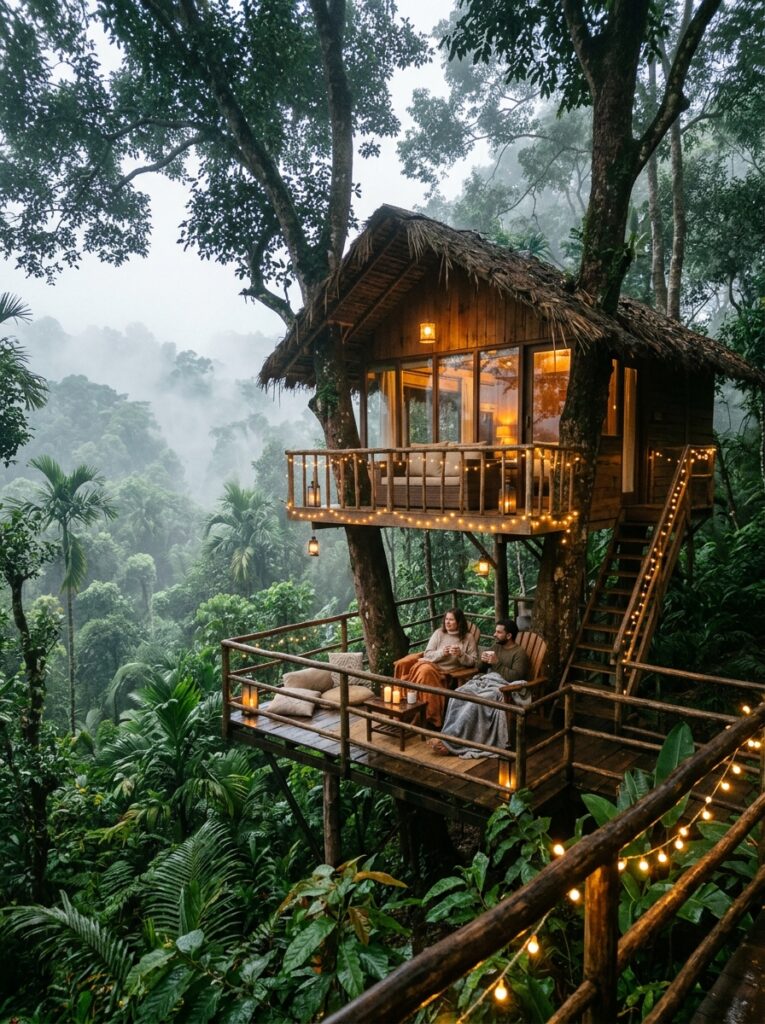
Romantic Wayanad: Treehouse Stays and Rainforest Treks in the Kerala Monsoons

Focus Keyword: Wayanad honeymoon package SEO Title: Wayanad Honeymoon Package: Romantic Rainforests & Treehouses in July Meta Description: Wayanad is the ultimate romantic escape in the monsoon. Read about top treehouse resorts, lake walks, and customized couples packages. Permalink Slug: wayanad-romantic-rainforest-guide — When the southwest monsoon rolls over the Western Ghats, Kerala is painted in a thousand shades of green. For couples seeking a romantic getaway, there is no destination more alluring than Wayanad in July. Nestled at an altitude of 700 to 2,100 meters, this high-altitude district of Kerala is a land of misty tea estates, spice plantations, winding mountain passes, and dense tropical rainforests. Under the monsoon skies, the hills are blanketed in thick fog, and the air carries the fresh scent of cardamom, damp earth, and eucalyptus. Wayanad is particularly famous for its luxury treehouse resorts, offering couples an intimate escape far from the noise of the city. Imagine waking up to the sound of raindrops on a thatched roof, surrounded by the emerald canopy of the forest, and sipping hot cardamom tea with your partner as the clouds float through your balcony. This guide is the ultimate resource for couples planning a romantic escape, detailing the top treehouse experiences, misty rainforest walks, a customized itinerary, and how to book the perfect Wayanad honeymoon package with Travel Path Holiday. — Why Wayanad in July is the Ultimate Romantic Escape Monsoon is the season of romance in Kerala, and Wayanad is its crown jewel. Here is what makes a July visit so special for couples: 1. Luxury Treehouse Stays: Live high up in the forest canopy in eco-friendly, beautifully designed treehouses that offer complete privacy, luxury amenities, and sweeping views of misty valleys. 2. Chembra Heart-Shaped Lake: Hike through lush green tea gardens to reach *Hridaya Saras*, a natural, spring-fed lake shaped perfectly like a heart. The lake is believed to have never dried up, making it a symbolic spot for couples. 3. Misty Ghat Drives: Winding up the 9 hairpin bends of the Lakkidi Ghat road, surrounded by waterfalls tumbling down the mountain walls, is a breathtaking road-trip experience. 4. Vibrant Spice Gardens: Walk hand-in-hand through spice plantations where black pepper, cardamom, vanilla, and coffee are harvested, filled with rich monsoon aromas. — Romantic Highlights of Wayanad 1. Stay in the Best Treehouse in Wayanad Wayanad is home to some of India’s finest eco-resorts that feature authentic treehouses built on giant trees (like Banyan or Jackfruit trees) using traditional Kerala architecture. Resorts in Vythiri and Lakkidi offer treehouses located 30 to 80 feet above the ground, accessible by wooden staircases or rope elevators. In July, the forest surrounding these treehouses comes alive with gushing streams and wildlife, offering an immersive nature experience. 2. Chembra Peak & Heart-Shaped Lake Trek Chembra is the highest peak in Wayanad. The trek passes through private tea estates, climbing gradually up to the heart-shaped lake. Standing by this misty lake, with clouds brushing past you and your partner, is one of the most romantic moments you can experience in Kerala. 3. Banasura Sagar Dam As the largest earth dam in India and the second largest in Asia, Banasura Sagar is a sight to behold. The dam reservoir is dotted with small, forested islands formed when the surrounding valleys were submerged. In July, speed boating through the mist-shrouded waters of the reservoir is an exhilarating experience. 4. Pookode Lake This natural freshwater lake is shaped like the map of India. It is surrounded by dense forests and walking paths. Couples can rent pedal boats or rowboats to glide across the calm, misty waters, surrounded by blue water lilies. — Detailed 4-Day Romantic Wayanad Itinerary This curated itinerary balances romantic leisure, plantation walks, and sightseeing to ensure you have a relaxing, memorable honeymoon. Day Destination & Activity Experience Highlights Recommended Duration :— :— :— :— Day 1 Calicut to Wayanad (Vythiri) Arrive in Calicut, drive up the scenic Lakkidi Ghat pass. Stop at Lakkidi View Point to see the misty valleys. Check into your luxury treehouse resort. Enjoy a candlelit dinner in the forest. 3 Hours Drive Day 2 Heart Lake Trek & Pookode Lake Take the morning trek to the Chembra Heart-Shaped Lake. In the afternoon, enjoy a quiet walk and pedal boating at Pookode Lake. Return to your resort for a couple’s Ayurvedic massage. Full Day (7 Hours) Day 3 Earth Dam & Ancient Caves Visit the Banasura Sagar Dam for speed boating in the mist. Explore the prehistoric rock carvings inside the Edakkal Caves. In the evening, walk through a local tea estate. Full Day (8 Hours) Day 4 Soochipara Waterfalls & Departure Visit the roaring Soochipara Falls (Sentinel Rock Waterfalls) in the morning. Stop for souvenir shopping (spices, tea, coffee, bamboo crafts) in Kalpetta. Depart for Calicut. 4 Hours (Before Departure) — How to Reach Wayanad By Air: The nearest airport is Calicut International Airport (CCJ) in Kozhikode, located about 90 km from Wayanad. Calicut is well-connected to major Indian metros and international destinations in the Middle East. From the airport, a scenic 2.5-hour taxi drive takes you to Wayanad. By Rail: Kozhikode Railway Station (CLT) is the nearest railhead, located about 85 km away. It is well-connected to Cochin, Trivandrum, Chennai, Coimbatore, and Bangalore. By Road: Wayanad has excellent road connectivity. You can take a scenic road trip from Bangalore (270 km, 6 hours via Mysore and Bandipur Forest) or Mysore (130 km, 3.5 hours). — TIP: Monsoon Honeymoon & Safety Tips * Book Treehouses Early: Since treehouses are limited and highly sought after by couples, they sell out months in advance, even during the monsoon. Secure your booking early. * Leech Socks for Plantation Walks: The tea gardens and wet forests have small leeches in July. Wear protective leech socks (provided in our packages) or apply salt/lemongrass oil before walking. * Pack Reliable Rain Gear: Kerala monsoons can be heavy. Pack sturdy umbrellas, lightweight windcheaters, and waterproof footwear. * Ghat Road Caution: The Lakkidi Ghat road can

Family & Leisure, Honeymoon & Romance, Seasonal & Monsoon Specials

Top 10 Indian Hill Stations that Look Beautiful in the Rain (July Special)

Focus Keyword: best hill stations in July SEO Title: Top 10 Indian Hill Stations that Look Beautiful in the Rain (July Special) Meta Description: Looking for the best hill stations in July? Check out our list of top 10 rain-washed destinations in India for scenic vacations. Permalink Slug: top-hill-stations-india-july — There is something inherently poetic about the monsoon. As the scorching summer heat recedes, the skies open up, transforming India’s vast landscapes into a lush, green paradise. While many travelers choose to stay indoors during the rainy season, seasoned explorers know that July is the absolute best time to visit India’s hill stations. If you want to experience misty mornings, cascading waterfalls, dew-kissed tea estates, and clouds floating directly into your balcony, planning a mountain getaway in July is unmatched. In this comprehensive guide, we profile the top 10 hill stations in India that come alive under the showers of July. We also look at what makes them special, how to plan your itinerary, and how to travel safely. — Why July is the Golden Month for Hill Station Travel Before diving into our top list, let’s look at why visiting hill stations in July is a rewarding experience: Lush, Rejuvenated Nature: Forests, valleys, and meadows achieve their peak green color, washed clean of dust and pollution. Active Waterfalls: Seasonal waterfalls that remain dry throughout the year roar back to life with spectacular force. Fewer Crowds & Budget Friendly: July falls under the shoulder season for many regions, meaning you can enjoy popular viewpoints without tourist crowds and get luxury resorts at highly discounted prices. The Romantic Mist: The dramatic play of clouds and mist winding through pine trees and valleys creates a surreal, romantic setting. — Detailed Profile of the Top 10 Hill Stations 1. Munnar, Kerala: The Emerald Tea Paradise Munnar in July is nothing short of a dream. Located in the Western Ghats of Kerala, this popular hill station is famous for its sprawling tea plantations, winding roads, and mist-covered peaks. During the monsoon, the tea leaves turn a vibrant shade of green, and the air carries the fresh aroma of wet earth and tea leaves. Why Visit in July: The rainfall turns Munnar’s waterfalls, like Attukad and Lakkam, into roaring spectacles. The temperature stays cool, ranging between 18°C and 22°C. Top Attractions: Eravikulam National Park (home to the Nilgiri Tahr), Anamudi Peak, Mattupetty Dam, Kundala Lake, and Lockhart Gap. How to Reach: The nearest airport is Cochin International Airport (110 km away), and the nearest major railway station is Aluva (110 km away). Road trips from Kochi are scenic and highly recommended. 2. Coorg, Karnataka: The Scotland of India Coorg (Kodagu) is a lush highland district in Karnataka famed for its misty hills, coffee plantations, and spice gardens. In July, the southwest monsoon is at its peak, turning the entire region into a verdant sanctuary. Why Visit in July: The coffee estates look fresh and vibrant, and the waterfalls are at their peak flow. Coorg in July is ideal for cozy stays at homestays, sipping freshly brewed local coffee while watching the rain. Top Attractions: Abbey Falls, Iruppu Falls, Raja’s Seat (panoramic sunset viewpoint), Talakaveri (the origin of the Kaveri River), and Dubare Elephant Camp. How to Reach: The nearest airport is Kannur International Airport (90 km away) or Mangalore (135 km away). It is well-connected by road from Bangalore (260 km away). 3. Valley of Flowers, Uttarakhand: A UNESCO Alpine Wonderland For adventure seekers and nature enthusiasts, the Valley of Flowers in Chamoli, Uttarakhand, is a bucket-list destination. This alpine valley remains covered in snow for most of the year and opens to visitors only from June to October. Why Visit in July: July marks the beginning of the peak blooming season. Thousands of varieties of wild alpine flowers—including the rare blue poppy and Brahma Kamal—paint the valley floor in shades of pink, yellow, blue, and purple. Top Attractions: The 17 km trek from Govindghat, Hemkund Sahib (holy Sikh shrine located nearby), and the stunning Pushpawati River. How to Reach: The nearest airport is Jolly Grant Airport in Dehradun (290 km from Govindghat). From there, you drive to Govindghat and trek 13 km to Ghangaria, which serves as the base camp. 4. Mahabaleshwar, Maharashtra: The Land of Strawberries and Mist Mahabaleshwar is the jewel of the Sahyadri range in Maharashtra. Receiving heavy rainfall, it is transformed into a misty wonderland where clouds sweep across the roads and viewpoints. Why Visit in July: The iconic Venna Lake is enveloped in a thin sheet of mist, and the surrounding viewpoints offer dramatic vistas of deep valleys filled with clouds. Top Attractions: Arthur’s Seat, Kate’s Point, Elephant’s Head Point, Lingmala Waterfall, and Venna Lake. How to Reach: Pune Airport is the closest airport (120 km away), and Wathar is the closest railway station (60 km away). It is an easy 5-hour drive from Mumbai (260 km). 5. Cherrapunji & Shillong, Meghalaya: The Land of Clouds If you want to experience rain in its grandest form, head to Meghalaya. Cherrapunji (Sohtra) and nearby Shillong offer a dramatic monsoon landscape filled with deep gorges, massive waterfalls, and unique tribal engineering. Why Visit in July: The monsoon rains showcase Cherrapunji’s waterfalls at their absolute peak, including Nohkalikai, the tallest plunge waterfall in India. Top Attractions: Double Decker Living Root Bridges, Nohkalikai Falls, Seven Sisters Falls, Mawsmai Cave, Umiam Lake, and Laitlum Canyons. How to Reach: The nearest major airport and railway station is in Guwahati, Assam (120 km from Shillong). Cabs are readily available for a beautiful uphill drive. 6. Lonavala & Khandala, Maharashtra: The Classic Monsoon Escapes Located just a short drive from Mumbai and Pune, the twin hill stations of Lonavala and Khandala are synonymous with monsoon getaways. The entire region turns emerald green, with hundreds of temporary waterfalls springing up along the highway. Why Visit in July: It is the best time to experience Tiger’s Point (Tiger’s Leap) surrounded by heavy mist and winds, and enjoy hot

Historic Hawa Mahal palace architecture in Jaipur Rajasthan
Family & Leisure, Honeymoon & Romance, Seasonal & Monsoon Specials

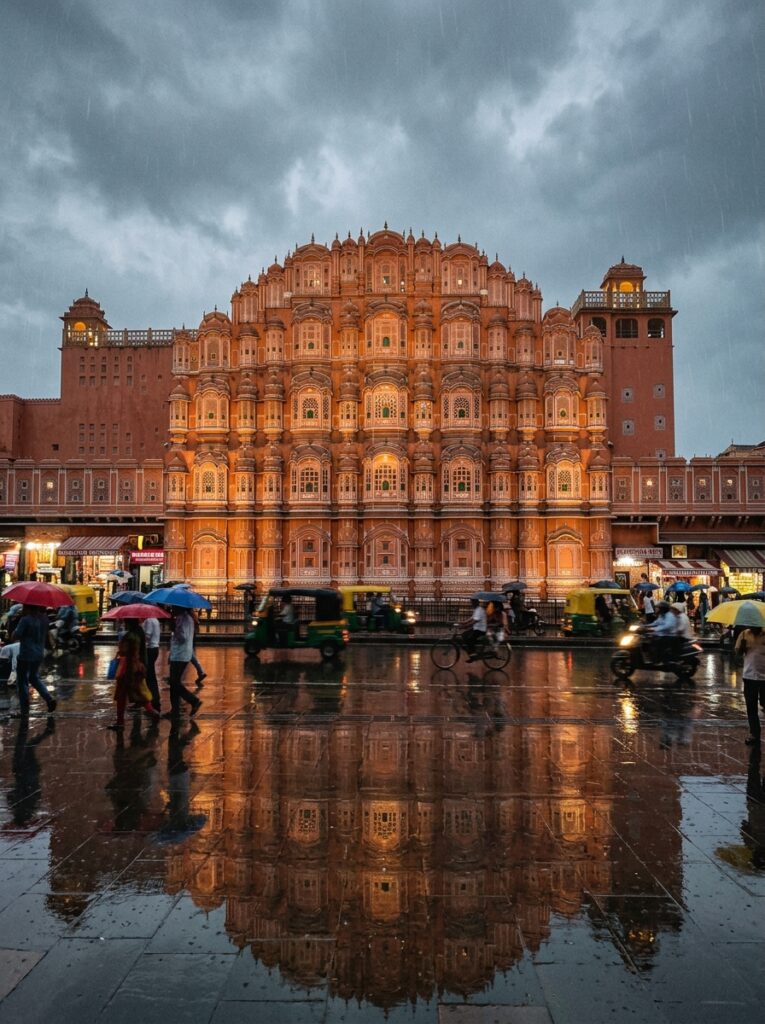
Jaipur under Showers: Why July is the Best Time to Visit Rajasthan’s Palaces

Focus Keyword: Jaipur in monsoon SEO Title: Jaipur under Showers: Why July is the Best Time to Visit Rajasthan’s Palaces Meta Description: Visit Jaipur in the monsoon. Explore why July is the best time to see the forts and palaces of the pink city, and book custom Rajasthan packages. Permalink Slug: jaipur-palace-monsoon-tour-guide — When travelers think of Rajasthan, they typically picture sun-baked sand dunes, camels marching under a blazing sun, and dry, arid landscapes. However, there is a hidden side to the royal state that only a few experience: the monsoon. In July, as the southwest monsoon winds sweep across the Aravalli hills, Rajasthan undergoes a dramatic transformation. Jaipur, the capital city, is particularly enchanting during this season. Known globally as the “Pink City” for its terracotta-hued architecture, Jaipur under showers looks refreshed and vibrant. The rain washes clean the ancient stone structures, the lakes fill up to their brims, and the surrounding dry hills turn into a lush, emerald green. If you are planning a trip to Rajasthan, July offers a unique opportunity to explore its grand palaces and forts without the scorching heat and the heavy tourist crowds of winter. In this comprehensive guide, we explain why Jaipur in the monsoon is a must-visit, highlight the best spots to experience under the rain, and share a custom 3-day itinerary for your trip. — Why July is the Best Time to Visit Jaipur 1. Pleasant Weather and Cool Breezes During the peak summer months of April to June, temperatures in Jaipur can easily cross 40°C, making outdoor sightseeing exhausting. In July, the rains bring the temperature down to a comfortable 28°C to 32°C. The cool, damp breezes blowing off the Aravalli hills make walking around the massive forts and open courtyards a delightful experience. 2. The Emerald Aravalli Range Jaipur is nestled within the ancient Aravalli range. During summer, these hills appear dry and brown. The first few showers of July work like magic, carpetting the hills in deep green. Driving up the winding roads to Nahargarh and Jaigarh Forts offers spectacular mountain views that rival any hill station in Central India. 3. Rejuvenated Lakes and Water Palaces Jaipur’s historic water bodies, such as Man Sagar Lake (which houses the famous Jal Mahal) and Maota Lake (located at the foot of Amber Fort), fill up with rainwater. The reflection of palaces against the full lakes and cloudy skies is a photographer’s dream. 4. Off-Season Luxury Hotel Deals Since the official peak tourism season runs from October to March, July is considered shoulder season. This is a massive advantage for budget and luxury travelers alike. World-class heritage hotels and royal palaces that are typically sold out or prohibitively expensive in winter offer discounts of up to 40% to 50% in July. 5. Monsoon-Exclusive Rajasthani Delicacies Monsoon in Rajasthan is celebrated with food. July marks the arrival of the Teej festival, during which the city prepares *Ghewar*, a traditional honeycomb-shaped sweet soaked in sugar syrup (often topped with rabri). Pair this with hot, spicy *Pyaz ki Kachoris* (onion patties) and *Mirchi Badas* (chili fritters) with a cup of hot masala chai on a rainy evening, and you have experienced true Jaipur culture. — Palaces and Forts that Shine in the Monsoon Amber Palace & Maota Lake Amber (Amer) Fort is situated on a hill just outside Jaipur. Built of red sandstone and marble, it overlooking Maota Lake. During July, the lake is full of water, reflecting the grand ramparts of the fort. As you walk up the stone pathways, the mist rolling off the hills creates an atmospheric experience. The highlight inside is the *Sheesh Mahal* (Mirror Palace), which appears even more magical when light is reflected off the wet marble courtyard outside. Jal Mahal: The Floating Palace Jal Mahal is a five-story palace built in the middle of Man Sagar Lake. What makes it unique is that four stories remain submerged under water, with only the top floor visible. In July, as the lake level rises, the palace appears to float serenely on the water. While visitors are not allowed inside the palace itself, walking along the paved promenade on the lakeside during a light drizzle—with street vendors selling roasted corn (*bhutta*)—is a classic monsoon experience in Jaipur. Nahargarh Fort: The Ultimate Monsoon Viewpoint Nahargarh Fort stands on the edge of the Aravalli hills, overlooking the entire city of Jaipur. It is the absolute best spot in the city during a rainy afternoon. You can stand on the massive stone ramparts and watch the rain clouds roll over the city below. There is a stepwell (*baori*) inside the fort, made famous by Bollywood films, which fills up with rainwater in July. Afterward, you can enjoy a hot meal or a drink at *Padao*, the open-air restaurant at the edge of the fort, offering panoramic views of the city lights shimmering in the rain. Hawa Mahal: The Palace of Winds Built with 953 small windows (*jharokhas*), the Hawa Mahal was designed to allow royal ladies to watch street festivals without being seen. In July, these intricate windows act as natural air-conditioners. Standing inside the narrow corridors of Hawa Mahal while a cool rain breeze blows through the lattice screens is incredibly relaxing. City Palace & Royal Courtyards Located in the heart of the Old City, the City Palace is still home to the descendants of the royal family. In the monsoon, the open-air courtyards feel fresh and clean. The highlight here is the *Pritam Niwas Chowk*, an inner courtyard featuring four beautifully decorated gates representing the four seasons. The *Peacock Gate*, representing autumn/monsoon, is decorated with stunning glass mosaic work that sparkles under the overcast sky. — Detailed 3-Day Jaipur Monsoon Itinerary Here is a balanced, leisurely itinerary designed to let you enjoy Jaipur’s heritage while accommodating rain showers: Day Morning Activity (9:00 AM – 1:00 PM) Afternoon Activity (2:00 PM – 5:30 PM) Evening Highlight (6:30 PM onwards) Monsoon Food Focus :— :— :— :— :— Day 1 Explore

You have been successfully Subscribed! Ops! Something went wrong, please try again.

About Us

Travel Path Holiday is a full-service travel company dedicated to delivering seamless, personalized, and memorable travel experiences. We specialize in crafting customized journeys for both corporate and leisure travelers, ensuring every trip is stress-free and enjoyable.

Destinations

Kashmir

Manali

Leh-Ladakh

Nepal

Bhutan

Blog

  • All Post
  • Adventure, Trekking & Road Trips
  • Andaman
  • Bali Honeymoon
  • Bhutan Honeymoon
  • Dubai Honeymoon
  • Family & Leisure
  • Goa Honeymoon
  • Gujarat
  • Himachal Honeymoon
  • Himachal Pradesh
  • Honeymoon & Romance
  • India Travel Guides
  • Kashmir Honeymoon
  • Kerala Honeymoon
  • Nepal Honeymoon
  • Rajasthan Honeymoon
  • Seasonal & Monsoon Specials
  • Sikkim & Northeast
  • Singapore Honeymoon
  • Spiritual & Pilgrimage
  • Thailand
  • Tour Packages & Guides
  • Uttarakhand Honeymoon

Travel Path Holiday, Indore | © 2026 Travel Path Holiday. All Rights Reserved. | Website crafted by Amit Nayak, India

Scroll to Top