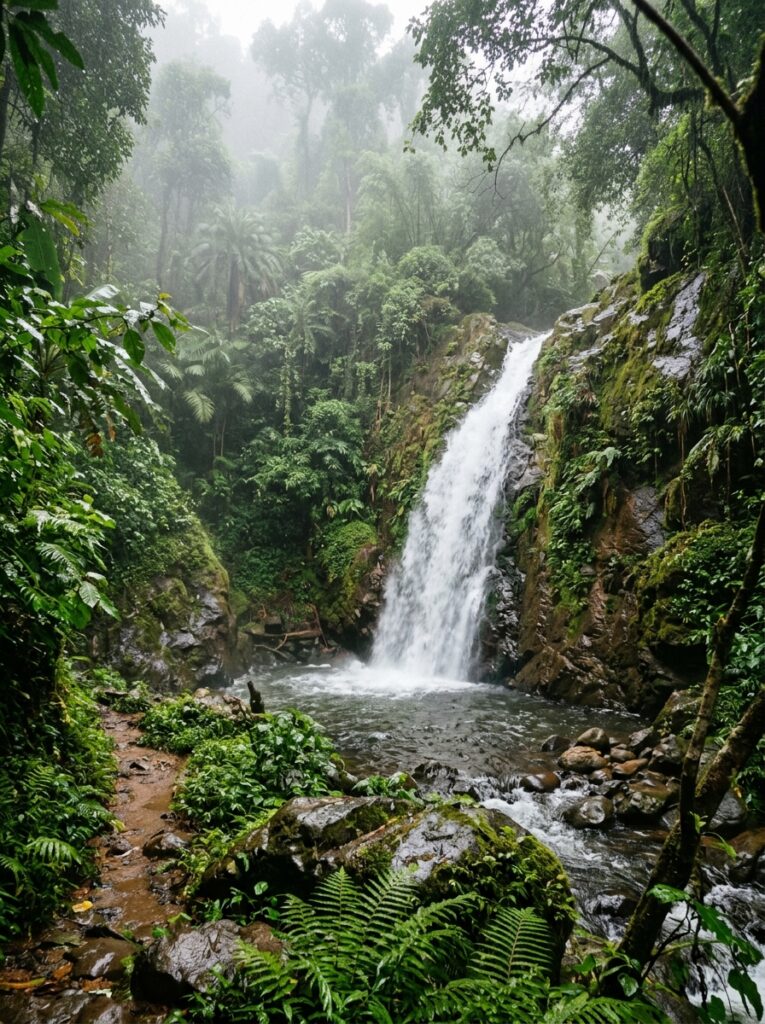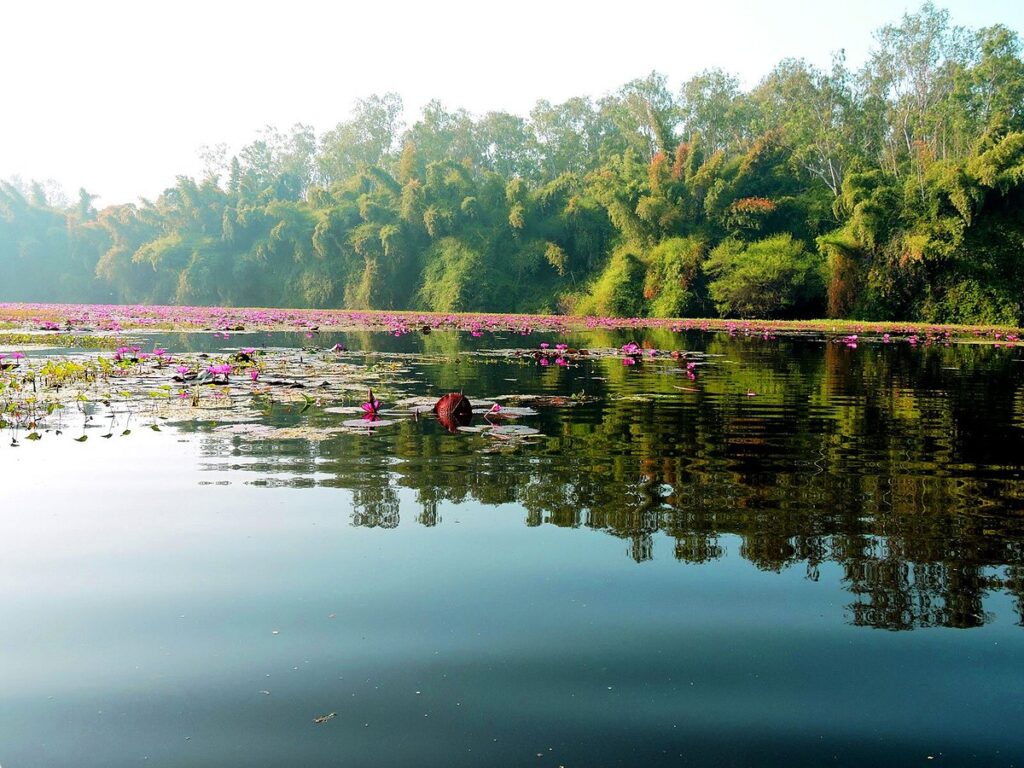
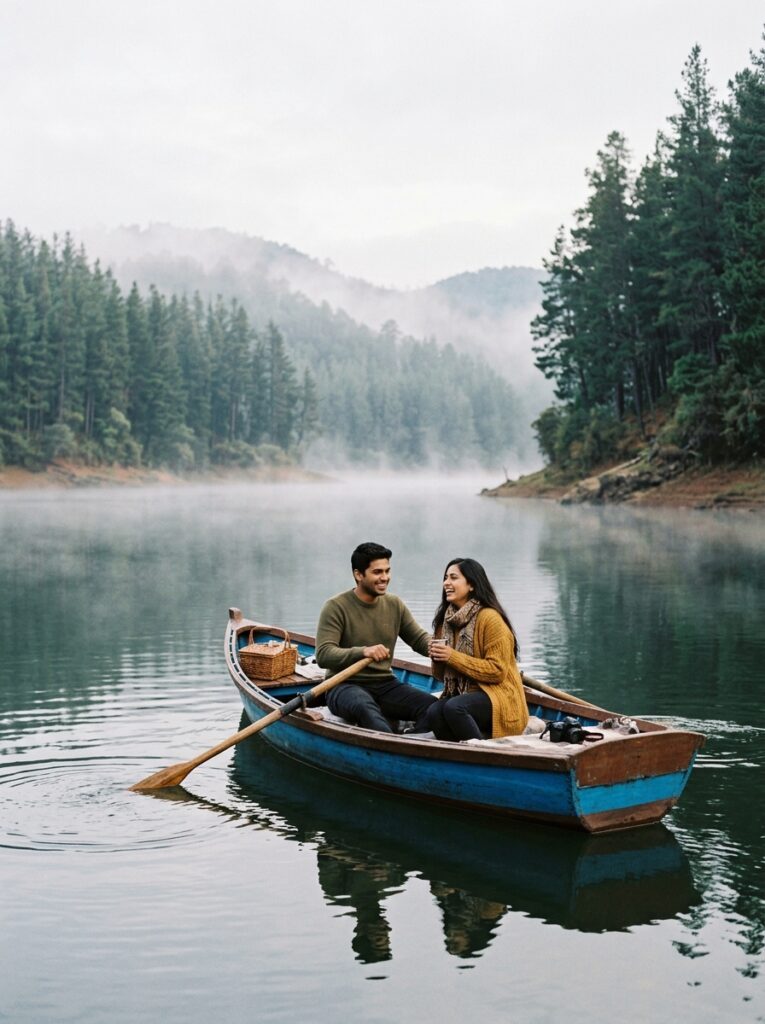
Romantic honeymoon couple holiday destination scenery
Family & Leisure, Honeymoon & Romance, Seasonal & Monsoon Specials

Romantic Ooty: Boating on Pykara Lake and Walking Through Misty Tea Estates

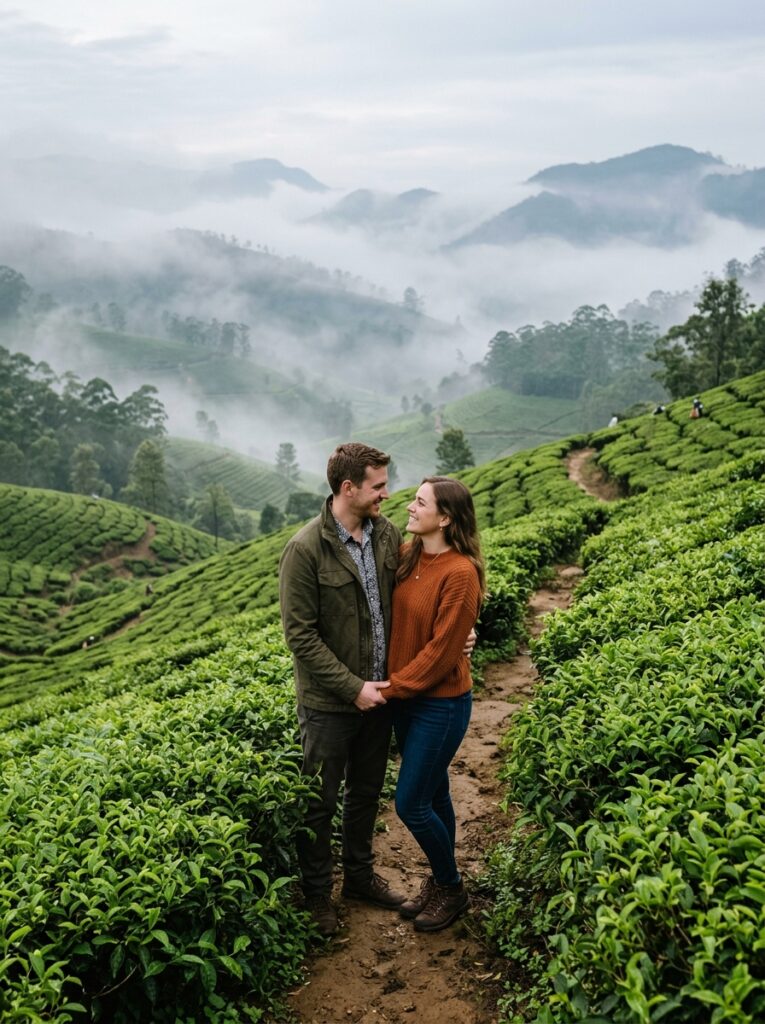
Focus Keyword: Ooty in July SEO Title: Romantic Ooty: Boating on Pykara Lake and Walking Through Misty Tea Estates Meta Description: Ooty is beautiful in July. Read our romantic guide for couples featuring tea gardens, lakes, viewpoints, and custom honeymoon packages. Permalink Slug: ooty-romantic-tea-gardens-guide — When it comes to romantic destinations in South India, Ooty (Udhagamandalam) holds a legendary status. Famously known as the “Queen of Hill Stations,” this charming town in the Nilgiri Hills of Tamil Nadu has been a favorite getaway for newlyweds and couples for decades. If you are planning a trip to Ooty in July, you are in for a magical experience. July marks the peak of the monsoon season in the Nilgiris. While some travelers shy away from the rain, couples will find Ooty under July showers to be an absolute paradise. The temperature drops, a thick blanket of morning mist rolls over the emerald-green tea estates, and the lakes and waterfalls are filled to their capacity. In this romantic guide, we explore the best experiences Ooty has to offer for couples in July, share a custom 3-day itinerary, and explain how you can plan a dreamy, hassle-free honeymoon with Travel Path Holiday. — Why July is the Ultimate Romantic Month to Visit Ooty 1. The Play of Mist and Fog During July, Ooty is frequently wrapped in a soft, ethereal fog. Watching the mist roll through pine forests and settle over the valleys from your resort balcony creates an incredibly cozy, intimate atmosphere that is perfect for couples. 2. Cool, Cuddly Weather With temperatures ranging between 12°C and 19°C, the weather in July is cool and refreshing. It is the perfect temperature for walking hand-in-hand through garden paths, wrapped in light woolens, and enjoying a hot cup of local Nilgiri tea. 3. Roaring, Beautiful Waterfalls The monsoon rains breathe new life into Ooty’s waterfalls. The famous Pykara Falls and nearby Catherine Falls cascade down rocky cliffs with impressive power, surrounded by lush green foliage that is washed clean by the rain. 4. Peaceful, Crowd-Free Sightseeing Since July is a monsoon month, the heavy tourist crowds of the summer season are gone. This gives you and your partner the rare opportunity to walk along scenic lakeside trails and visit famous viewpoints in peace, without the noise of large tourist groups. — Top Romantic Experiences in Ooty for Couples 1. Boating on the Misty Pykara Lake Located about 20 km from Ooty town, Pykara Lake is a serene water body surrounded by dense, protected pine forests. The lake is incredibly peaceful in July, with low clouds hanging just above the water’s surface. Couples can rent a private motorboat or a speedboat from the Pykara boathouse. Gliding over the calm, misty waters of the lake while a light drizzle falls is a highlights of any Ooty trip. After boating, take a short walk to the nearby Pykara Waterfalls to witness the roaring rapids. 2. Walking Through the Doddabetta Tea Estates Ooty is world-famous for its tea plantations, which carpet the rolling hills in vibrant green. In July, the tea leaves are fresh and sparkling with dew. One of the most romantic activities is taking a morning walk through the tea gardens near Doddabetta or the scenic meadows of Glenmorgan. The air carries the fresh aroma of wet soil and tea leaves. You can also visit the Doddabetta Tea Factory and Museum to watch how tea is processed and taste a hot cup of freshly brewed chocolate tea. 3. Riding the Historic Nilgiri Toy Train A UNESCO World Heritage site, the Nilgiri Mountain Railway (Toy Train) is a must-experience for couples. The steam-locomotive train runs from Mettupalayam to Ooty, winding through steep valleys, 208 curves, 16 tunnels, and over 250 bridges. In July, the train ride feels like a journey through a fairy tale. As the train chugs slowly up the mountains at 10 km/h, you will pass cascading waterfalls, deep green valleys, and misty forest stretches. The section between Coonoor and Ooty is particularly scenic and easily fits into a day-trip itinerary. 4. Standing atop Doddabetta Peak Doddabetta is the highest point in South India, sitting at 2,637 meters (8,650 feet). On a clear July day, the view from the summit is spectacular. However, even on cloudy days, it is a unique experience—you will stand at the summit surrounded by clouds, watching the wind push the mist across the valleys below. 5. Exploring the Quieter Side: A Day Trip to Coonoor Located just 20 km (a 45-minute drive) from Ooty, Coonoor is a quieter, less-developed hill station that is highly popular with couples. Coonoor in July is exceptionally green and peaceful. Walk through the beautifully landscaped lawns of Sim’s Park, and drive up to Lamb’s Rock and Dolphin’s Nose for jaw-dropping views of the Catherine Falls plunging into the valley below. — Detailed 3-Day Ooty Romantic Itinerary This 3-day itinerary is designed to combine classic Ooty sightseeing with relaxed, romantic moments for couples: Day Morning Activity (9:00 AM – 1:00 PM) Afternoon Activity (2:00 PM – 5:30 PM) Evening Vibe & Dining Romantic Element :— :— :— :— :— Day 1 Arrive in Ooty & Check-in. Walk through the Government Botanical Garden; see the 20-million-year-old fossil tree trunk. Cozy up by the fireplace at a heritage resort; enjoy a candle-lit dinner. Watching the evening mist settle over Ooty town. Day 2 Take the scenic Toy Train ride from Ooty to Coonoor. Explore Coonoor: Visit Sim’s Park and take in the valley views at Lamb’s Rock. Return to Ooty; shop for homemade chocolates and Nilgiri eucalyptus oil. A slow, nostalgic train ride winding through misty mountain curves. Day 3 Drive to Pykara Lake for a romantic boat ride. Walk through the towering trees of the Pine Forest (shooting spot for many movies). Visit Doddabetta Peak for sunset, followed by hot cocoa at a local cafe. Walking hand-in-hand through mist-laden pine pathways. — Packing & Travel Tips for an Ooty Monsoon Honeymoon Pack for the Cold: Ooty in
Adventure, Trekking & Road Trips, Family & Leisure, Honeymoon & Romance, Seasonal & Monsoon Specials

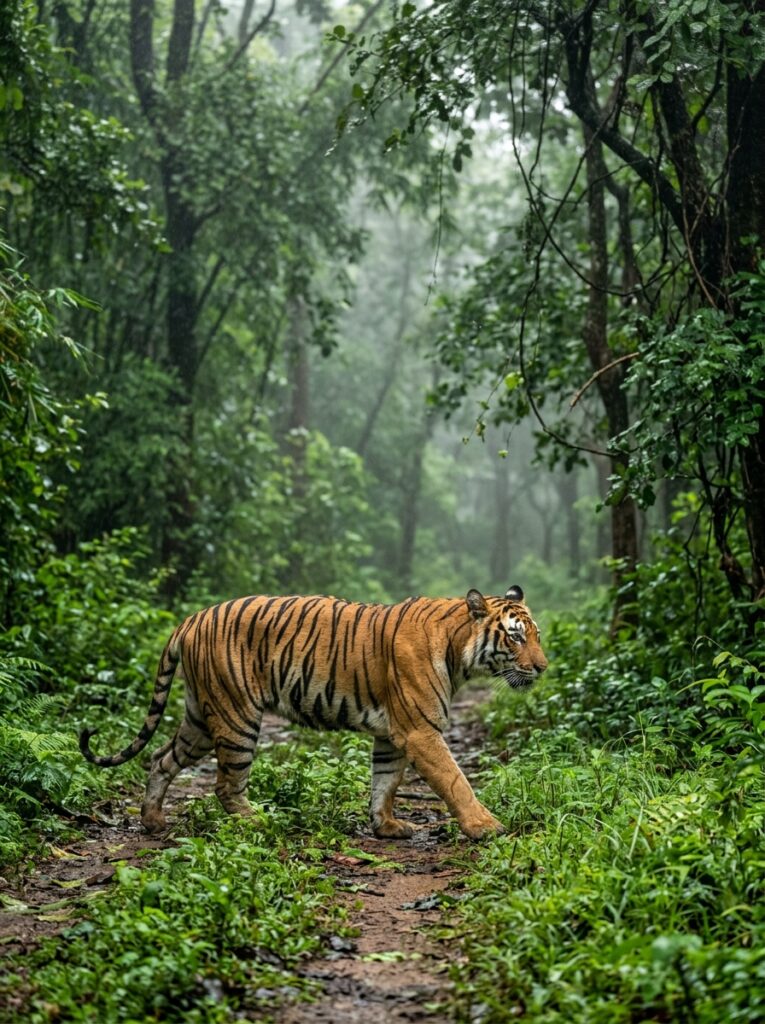
Wildlife Travel in July: Best National Parks in India with Active Buffer Zones

For most wildlife enthusiasts in India, the onset of the monsoon in July marks the end of safari season. A common belief prevails that all national parks lock their gates from July to October. While it is true that the core zones of major tiger reserves close to protect breeding animals and safeguard tourists from washed-out forest roads, the adventure doesn’t stop here. In recent years, the opening of active buffer zones has revolutionized monsoon wildlife travel. These peripheral forests remain open year-round, offering an entirely different, incredibly lush perspective of India’s wilderness. In July, the parched brown deciduous forests transform into a vibrant, emerald-green paradise. The dust settles, the air is clean, water bodies overflow, and the forest comes alive with the calls of frogs, insects, and birds. If you are a nature photographer, a bird-watching enthusiast, or someone who simply wants to experience the raw beauty of Indian jungles without the tourist crowds, planning a wildlife safari in monsoon is one of the best travel decisions you can make. In this comprehensive guide, we explore the best national parks in India that keep their buffer zones active in July, what wildlife you can spot, and how to plan your monsoon safari package with Travel Path holiday. — Why Monsoon Wildlife Travel is a Hidden Gem Before diving into the specific parks, let’s bust some myths and highlight why visiting the jungle under July showers is a magical experience: Stunning Green Landscapes: The dry, dusty forests turn into dense, misty green jungles. The contrast of the orange tiger or golden leopard skin against the lush emerald foliage makes for jaw-dropping photography. Fewer Crowds, More Peace: The massive rush of summer tourists disappears. You won’t find 20 gypsies crowding around a single animal. You can hear the rustle of leaves, the call of the hornbills, and the roar of the wind in absolute peace. Active Herbivores and Birds: Monsoon is the mating season for many deer species, peacock dances are common, and tree frogs, snakes, and monsoon-migratory birds are highly active. Lower Tariffs: Luxury wildlife resorts offer massive off-season discounts in July. You can experience premium hospitality at a fraction of the winter cost. The Unique Behavior of Animals: Tigers and leopards don’t disappear in the rain. In fact, many big cats prefer walking on dry safari tracks rather than wet, dripping grass, making them surprisingly visible on forest roads. — What are Core vs. Buffer Zones? Understanding the zoning system is essential when planning a monsoon safari: 1. Core Zone: The central forest area where human activity is strictly restricted. These zones close down from July 1st to October 15th due to safety hazards, river overflows, and the breeding season. 2. Buffer Zone: The area surrounding the core zone that acts as a transition space between the wild habitat and human settlements. Buffer zones host rich wildlife populations—tigers do not understand administrative borders and roam freely between core and buffer areas. These zones remain open throughout the monsoon. — Summary: Indian National Parks Open in July National Park Location Active Monsoon Zones Major Wildlife Sightings Target Buffer Gates Tadoba Andhari Maharashtra Junona, Adegaon, Devada, Agarzari Tiger, Leopard, Sloth Bear, Wild Dogs Devada, Madnapur, Junona Jim Corbett Uttarakhand Dhela, Jhirna, Kotiraw (Garjia) Asian Elephant, Tiger, Deer, Reptiles Dhela Gate, Jhirna Gate Kabini / Nagarhole Karnataka Kabini Forest (Boat & Jeep Safaris) Black Panther, Leopard, Elephant, Tiger Kabini Safari Lodge Bandhavgarh Madhya Pradesh Dhamokhar, Panpatha, Johila Tiger, Leopard, Spotted Deer, Nilgai Dhamokhar, Johila Kanha Madhya Pradesh Khapa, Phen Tiger, Barasingha, Gaur, Sloth Bear Khapa Ranthambore Rajasthan Zones 6 to 10 (Buffer Gates) Tiger, Striped Hyena, Jackal, Crocodile Kundal, Chikhli — Top 6 National Parks in India with Active Buffer Safaris in July 1. Tadoba Andhari Tiger Reserve (Maharashtra) Tadoba is legendary for its tiger sightings, and the monsoon does not slow this reserve down. While the core zones are closed, Tadoba boasts excellent buffer zones that are widely considered just as productive as the core. Active Buffer Zones: Devada-Adegaon, Madnapur, Junona, and Agarzari. Why July is Special: The lakes (like Lake Tadoba and Erai Lake) are full of water. Safaris are conducted on gravel roads that do not wash away easily. Tiger sightings are consistently reported in the buffer areas as they search for dry patches on safari tracks. Other Attractions: Great bird-watching and spotting of Sloth Bears digging for termites. 2. Kabini – Nagarhole National Park (Karnataka) Kabini is perhaps the most famous monsoon wildlife destination in India. Because it is located in the Western Ghats region, it receives heavy rains, transforming the landscape into a misty fantasy. The Safaris: Unlike Central Indian parks, Kabini continues both jeep and boat safaris in July (subject to weather). The Highlight: A boat safari on the Kabini River in the monsoon rain is unforgettable. You can see herds of Asian elephants grazing along the banks, herds of Gaurs (Indian Bison), and crocodiles. The Black Panther: Kabini is home to the famous melanistic leopard “Saya.” The rainy season brings an ethereal light to the forest, making any sighting feel legendary. 3. Jim Corbett National Park (Uttarakhand) As India’s oldest national park, Jim Corbett is famous for its dense sal forests and the Ramganga River. Active Monsoon Zones: The Dhela and Jhirna eco-tourism zones remain open throughout the year. The Garjia (Kotiraw) zone is also partially open. The Experience: Corbett in the rains is a dream for landscape lovers. Clouds hang low over the Shivalik hills, and the forest is washed clean. It is one of the best times to see wild elephants bathing in forest streams. Caution: Ramganga and Kosi rivers can swell rapidly, so crossing riverbeds during heavy downpours requires expert drivers. 4. Bandhavgarh National Park (Madhya Pradesh) Known for having the highest density of Royal Bengal Tigers in India, Bandhavgarh maintains a vibrant safari network even in the monsoon. Active Buffer Zones: Dhamokhar, Panpatha, and Johila. The Experience: Dhamokhar buffer shares its boundary with the premium Tala zone, and tigers frequently

Family & Leisure, Honeymoon & Romance, Seasonal & Monsoon Specials

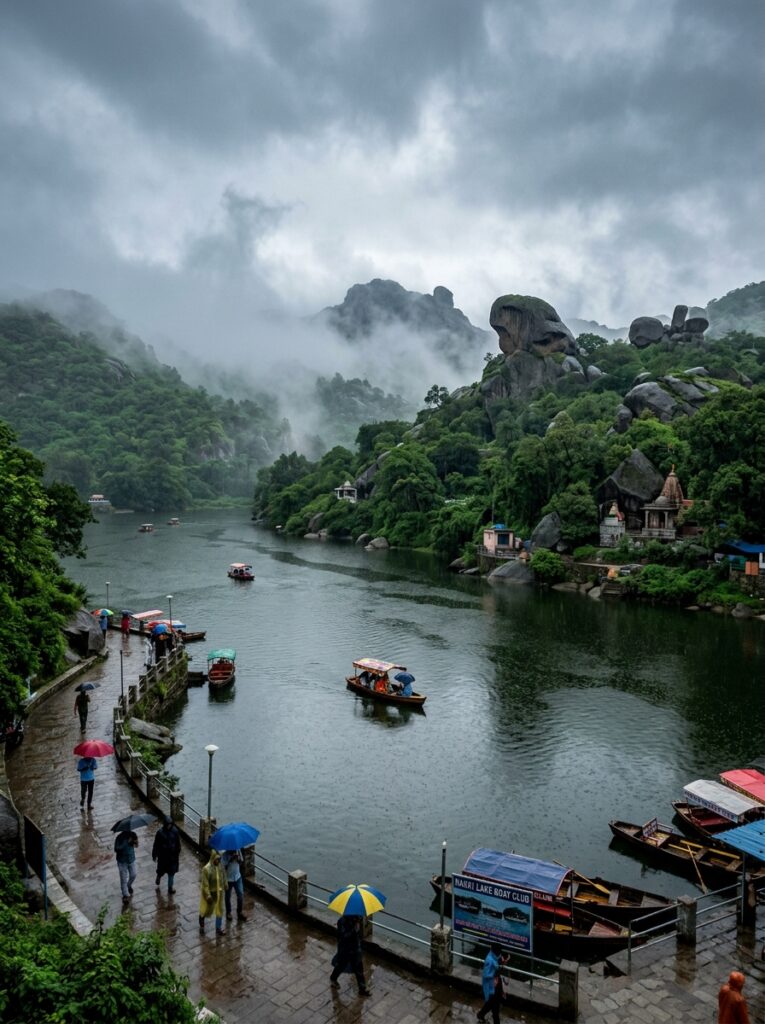
Mount Abu in the Rain: A Guide to Rajasthan’s Only Hill Station in July

Rajasthan is a land synonymous with sun-kissed sand dunes, majestic palaces baking in summer heat, and dry, desert landscapes. However, tucked away in the southwestern corner of the state, nestled amidst the ancient Aravalli Range, lies a breathtaking exception—Mount Abu. As Rajasthan’s only hill station, Mount Abu is a delightful retreat year-round. But when the monsoon clouds roll in during the month of July, this granite plateau undergoes a spectacular metamorphosis. The dry rocks are blanketed in thick moss, waterfalls cascade down the mountainsides, lakes fill to the brim, and a heavy shroud of mist envelops the town. If you are planning to visit Mount Abu in July, you are in for a sensory treat. The temperature drops to a comfortable range of 20°C to 28°C, and the air becomes clean, crisp, and fragrant with wet earth. It is the perfect escape for couples seeking romance, families looking for a weekend getaway, and backpackers wanting to experience nature at its freshest. In this ultimate monsoon guide, we cover the top places to visit, a custom 3-day itinerary, essential travel tips, and how you can book your dream Mount Abu monsoon tour package with Travel Path holiday. — Why You Should Visit Mount Abu in July 1. A Visual Feast of Greenery: The rugged grey cliffs of the Aravallis turn into lush, velvet-green hills. The valleys are filled with drifting clouds, making you feel as though you are walking through the Western Ghats or the Himalayas. 2. Waterfalls in Full Flow: Seasonal waterfalls like the famous Dhrudhiya Waterfalls and numerous unnamed streams come alive, tumbling down the hillsides in white torrents. 3. Misty Viewpoints: High-altitude locations are covered in dense fog. Watching the clouds swallow the valley from Guru Shikhar or Sunset Point is an enchanting experience. 4. Pleasant Weather: The scorching summer heat of Rajasthan and neighboring Gujarat vanishes. The cool mountain breeze combined with gentle rain showers makes sightseeing extremely pleasant. 5. Less Commercial Clutter: While Mount Abu receives travelers from Gujarat due to its proximity, July offers a more relaxed, less-crowded atmosphere compared to the peak winter season, allowing you to enjoy the serenity of nature. — Mount Abu 3-Day Itinerary Summary Day Activity Type Key Highlights Recommended Accommodation Day 1 Arrival & Lake View Check-in, Nakki Lake Boating, Honeymoon Point Valley-view Heritage Resort Day 2 Peaks & Heritage Guru Shikhar, Dilwara Temples, Trevor’s Tank Valley-view Heritage Resort Day 3 Forts & Shopping Achalgarh Fort, Nakki Lake Market, Departure – — Top Places to Visit in Mount Abu in July 1. Nakki Lake – Boating in the Mist Nakki Lake is the beating heart of Mount Abu. According to Hindu mythology, the lake was dug out by the gods using their fingernails (*nakh*), hence the name. The Monsoon Experience: In July, the lake is surrounded by mist-laden hills. Boating (in paddle or rowboats) under a light drizzle is incredibly romantic. Toad Rock: A massive, natural rock formation resembling a toad about to leap into the water overlooks the lake. You can climb up the steps to Toad Rock for a panoramic view of Nakki Lake draped in clouds. 2. Guru Shikhar – Standing Above the Clouds At 1,722 meters above sea level, Guru Shikhar is the highest peak of the Aravalli Range. The Monsoon Experience: The 15 km drive from the town center to the peak is spectacular, with winding roads cutting through mist-covered pine forests. In July, the peak is literally inside the clouds. Temple on the Peak: At the summit is the cave temple of Guru Dattatreya (an incarnation of Brahma, Vishnu, and Shiva). Ringing the temple bell amidst the fog and hearing its echo fade into the silent valleys is a spiritual, otherworldly experience. 3. Dilwara Temples – Intricate Marble Elegance If it starts raining heavily, the Dilwara Temples are the perfect place to seek shelter while witnessing some of the finest architecture in human history. Built between the 11th and 13th centuries, these five Jain temples are world-famous for their jaw-dropping marble carvings. Why Visit: The exterior of the temples is intentionally simple, but the interiors feature marble pillars, doorways, and ceilings carved with such delicate precision that they look like lace rather than stone. 4. Achalgarh Fort and Achaleshwar Mahadev Temple Located about 11 km from the main town, Achalgarh is a historical treasure built by the Paramara dynasty rulers and later reconstructed by Maharana Kumbha of Mewar. Achaleshwar Mahadev: Located at the foot of the fort, this ancient Shiva temple is famous for containing a natural wet pit that is believed to reach the center of the earth, and a footprint of Lord Shiva. Mandakini Lake: A beautiful, quiet lake near the fort ruins that looks incredibly serene in the monsoon. 5. Trevor’s Tank – A Forest Haven Trevor’s Tank is a man-made crocodile breeding sanctuary designed by a British engineer named Trevor. The Monsoon Experience: Surrounded by dense deciduous forests, Trevor’s Tank is a haven for bird watchers and wildlife lovers. In July, the forest walks are rich with sightings of grey junglefowl, peacocks, and langurs. The water level in the reservoir is high, and you can spot crocodiles resting on the rocky banks. 6. Sunset Point & Honeymoon Point Sunset Point: Located in the southwest of the town, it offers a view of the sun dipping behind the Aravalli hills. In July, instead of a clear sunset, you often witness a dramatic play of colors as the sun’s rays filter through moving rain clouds. Honeymoon Point (Anadra Point): Offers a spectacular view of the verdant valley and the plains below. The cool breeze here in the evening is incredibly refreshing. — NOTE: Dilwara Temple Travel Tip: Photography is strictly prohibited inside the Dilwara Temple complex. Visitors must dress modestly, and leather items (wallets, belts, bags) are not allowed inside. We recommend leaving these items in your hotel room or vehicle. WARNING: Monsoon Road Safety: The road climbing up from Abu Road railway station to Mount Abu is a steep

Romantic honeymoon couple holiday destination scenery
Family & Leisure, Honeymoon & Romance

Coorg in July: A Romantic Monsoon Guide to the Scotland of India

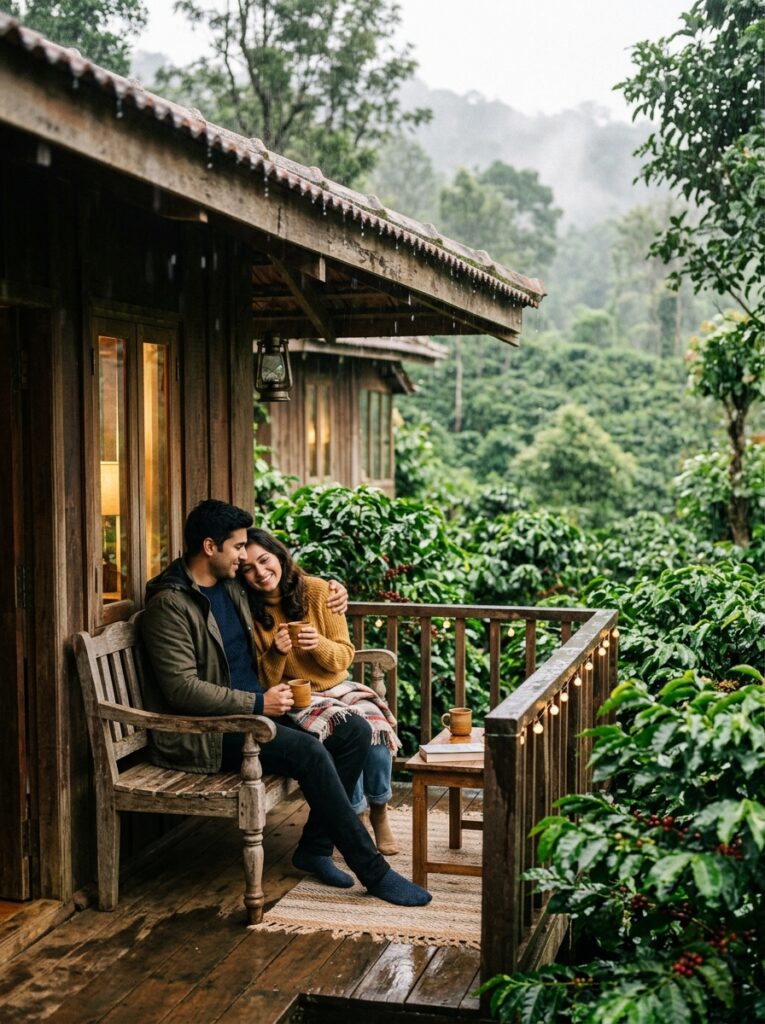
Imagine waking up to the soothing sound of rain pattering on a terracotta-tiled roof. You open your balcony doors to reveal a vast, rolling green landscape completely enveloped in a soft, white blanket of fog. The refreshing breeze carries the rich, earthy scent of wet soil blended with the aroma of coffee blossoms. You sit side-by-side with your partner, wrapped in a warm blanket, sharing a piping hot cup of fresh, locally brewed filter coffee. This is not a scene from a European romance movie. This is Coorg in July. Known officially as Kodagu, Coorg is a picturesque district nestled in the Western Ghats of Karnataka. Revered as the “Scotland of India” due to its mist-covered hills, pine forests, and cool climate, Coorg transforms into a green wonderland during the monsoon. For couples, newlyweds, and honeymooners, July is the most romantic time of the year to visit. If you are looking to escape the dry plains and spend quiet, intimate days with your partner, here is your ultimate romantic monsoon guide to exploring Coorg in July. — Coorg Monsoon Travel Summary Feature Details Average July Temp 18°C (Night) to 23°C (Day) – cool, crisp, and comfortable Monsoon Character Heavy showers with intermittent dry breaks. Thick fog is common. Best Stay Option Luxury Coffee Estate Resort or a private Heritage Homestay Top Vibe Peaceful privacy, misty forest walks, and warm cozy dinners Nearest Airport Kannur International Airport (~90 km) or Mangalore Airport (~140 km) — Why Coorg in July is the Ultimate Romantic Escape While many travelers prefer visiting hill stations in winter, couples in the know choose the monsoon. Here is why Coorg in July is perfect for romance: 1. The Fog and Mist: The weather is incredibly atmospheric. Mist rolls in and out of the valleys throughout the day, creating an intimate, cozy environment. 2. Plantation Seclusion: Coorg is famous for its private coffee estates. Many premium resorts are located deep inside these plantations, offering couples complete privacy away from crowds. 3. Waterfalls in Full Glory: Waterfalls like Abbey Falls and Mallalli Falls swell to their peak volume, surrounded by bright green ferns and trees. 4. Pleasant, Cool Weather: The cool weather is perfect for wearing cozy woolens, enjoying bonfires, and enjoying hot local cuisine. — Top Romantic Spots & Activities in Coorg To experience the best of Coorg’s monsoon charm, make sure to add these highlights to your list: 1. The Coffee Estate Experience The best thing to do in Coorg is to stay in a resort or heritage homestay located inside an active coffee plantation. The Romantic Highlight: Walk hand-in-hand along the wet mud pathways under the canopy of towering silver oak trees. Learn about coffee cultivation, hear the chirping of monsoon birds, and listen to the gentle sound of rain on the broad leaves. 2. Abbey Falls Located just 8 km from Madikeri (the main town of Coorg), Abbey Falls is a spectacular sight in July. The water plunges 70 feet down a sheer cliff. The Highlight: A hanging bridge runs directly opposite the waterfall. Standing on this bridge with your partner, feeling the cool water spray on your face, and listening to the roar of the falls is a thrilling experience. 3. Raja’s Seat (The Seat of Kings) This is a historical monument surrounded by a beautiful seasonal garden. Historically, the Kings of Kodagu sat here with their queens to watch the sunset over the cliffs. Monsoon View: In July, the viewpoint offers a dramatic look at the clouds floating through the valley below. It feels like standing on top of the world. 4. Talakaveri & Brahmagiri Hills Talakaveri, situated high up in the Brahmagiri Hills, is the birthplace of the sacred Kaveri River. The Experience: The drive up to Talakaveri is highly scenic, with roads cutting through dense clouds. Standing at the peak under a light drizzle, with temple bells ringing in the distance and thick fog rolling over the hills, is a deeply peaceful experience. 5. Namdroling Monastery (The Golden Temple) Located in Bylakuppe, this is the second-largest Tibetan settlement in India outside Tibet. The Highlight: The main prayer hall features three majestic 40-foot gold-plated statues of Buddha. The colorful Tibetan architecture, prayer flags fluttering in the rain, and the serene chanting of the monks offer a beautiful cultural escape. — Detailed 4-Day Romantic Coorg Itinerary Here is a relaxed, romantic itinerary designed by our travel designers at Travel Path holiday: Day Activity Highlights Stay Location Romantic Highlight Day 1 Drive to Coorg, check into a luxury plantation resort. Madikeri / Virajpet Private candlelit dinner inside the coffee estate Afternoon at leisure, enjoying resort amenities. Day 2 Visit Abbey Falls in the morning (fewer crowds). Madikeri / Virajpet Evening coffee and sunset views at Raja’s Seat Walk through the coffee estate with a local guide. Day 3 Drive up to Talakaveri (misty mountain peaks). Madikeri / Virajpet Cozy evening bonfire with local wine tasting Stop at Bhagamandala temple confluence. Day 4 Visit the Golden Temple (Bylakuppe) on the way back. – Souvenir shopping for local spices, coffee, and chocolates Departure to airport/railway station. — TIP: ### 🍷 Coorg Local Specialities to Try Make your trip flavorful by trying these local Kodava delicacies: * Coorg Homemade Wines: Coorg is famous for unique homemade fruit wines made from ginger, betel leaf, banana, plum, and even coffee! * Pandhi Curry: The famous local pork curry cooked in dark spices and local vinegar (Kachampuli). * Kadambuttu & Noolputtu: Steamed rice balls and string hoppers, perfect when paired with aromatic gravies. * Pure Coorg Coffee: Buy fresh, medium-roast Arabica or Robusta coffee powder directly from the estate factories. — WARNING: ### ⚠️ Monsoon Travel Safety & Gear Guide for Coorg 1. Leech Protection: When walking through wet grass or coffee plantations in July, you are likely to encounter leeches. Wear full-length trousers, high socks, and carry salt or sanitizer to remove them safely. 2. Slippery Rocks: The trails around waterfalls can be very slippery. Always wear walking

Family & Leisure, Honeymoon & Romance

Lonavala and Khandala: The Ultimate Mumbai-Pune Monsoon Weekend Guide

For city dwellers living in Mumbai or Pune, the arrival of the monsoon brings a sigh of relief. The concrete jungles cool down, and the urge to escape the urban chaos peaks. Fortunately, just a short drive away lies the twin hill stations of Lonavala and Khandala, nestled in the Sahyadri range of the Western Ghats. In July, these hill stations undergo a spectacular makeover. The rugged volcanic cliffs drape themselves in rich green foliage, misty clouds crawl over the valleys, and hundreds of temporary streams transform the mountains into a land of waterfalls. The air is fresh, temperatures drop to a comfortable cool, and the aroma of roasted corn and hot ginger tea fills the roadside stalls. Whether you want to drive through misty roads, trek to historic forts, or simply relax at a luxury resort, this ultimate guide to exploring Lonavala in monsoon has everything you need to plan a memorable weekend getaway. — Weekend Getaway Quick Info Feature Details Distance from Mumbai ~83 Kilometers (via Mumbai-Pune Expressway) Distance from Pune ~65 Kilometers (via Old Mumbai-Pune Highway) July Weather Cool and breezy, temperatures between 20°C and 26°C. Heavy rainfall is common. Best Travel Mode Road trip by Car or Bike. Train travel from Mumbai/Pune is also highly scenic. Target Audience Families, couples, bachelors, and trekking groups — Why Lonavala & Khandala are the Capital of Monsoon Travel The popularity of Lonavala and Khandala in July is unmatched in Western India. Here is why: 1. Unbelievable Accessibility: You can leave your office in Mumbai or Pune on a Friday evening, and within two hours, find yourself surrounded by mist-covered valleys. 2. Waterfalls Galore: The topography of the Sahyadri mountains is full of sharp cliffs, which create massive, dramatic waterfall plunges during heavy rain. 3. Cozy Vibe: The combination of cool mountain winds, rain showers, and warm local comfort foods makes it the ultimate place to relax. 4. Adventure Trails: It is a playground for trekkers, offering routes to ancient forts, caves, and high vantage points. — Must-Visit Spots: Waterfalls & Viewpoints 1. Bhushi Dam This is the most famous and crowded monsoon hotspot in Lonavala. Bhushi Dam is built on the Indrayani River. During peak monsoon in July, the water overflows over a series of stone steps. The Experience: Visitors sit, stand, and play on the wet steps as water cascades over them. It has a lively, carnival-like atmosphere. Pro-Tip: Reach here early in the morning (before 9 AM) on weekends to avoid massive crowds and traffic blocks. 2. Kune Falls Nestled between the valleys of Lonavala and Khandala, Kune Falls is the 14th highest waterfall in India. It is a stunning three-tiered waterfall with a total drop height of 200 meters (660 feet). Viewpoint: The waterfall is visible from the road, but the best view is from the Kune Church area. Surrounded by thick green forests, the sight of this massive white column of water is breathtaking in July. 3. Kataldhar Waterfall (For Adventure Seekers) If you want to escape the tourist crowds and love hiking, Kataldhar is a hidden gem. It is a massive waterfall that plunges deep into a valley. The Trek: The trek starts near Fanasrai village. It is a moderate to difficult downhill hike through dense, muddy forest trails. At the base, you can stand directly under the roaring waterfall. Safety Note: Only attempt this trek with a local guide, as the forest paths can be confusing and slippery. 4. Tiger’s Point (Tiger’s Leap) Perched at an altitude of over 650 meters, Tiger’s Point offers a sheer cliff drop with panoramic views of the valley. Monsoon Vibe: In July, the valley is often completely filled with thick, white fog. Winds blow so hard that rain seems to fly upwards! The Culinary Experience: Dozens of small stalls line the edge of the viewpoint. Grab a plate of steaming hot Corn Bhajji (batter-fried sweetcorn) and a cup of hot Adrak Chai while standing in the mist. 5. Duke’s Nose (Nagphani) Named after the Duke of Wellington because the cliff resembles his nose profile from a distance. Locals also call it Nagphani because it looks like a cobra’s hood. The Experience: It is a popular spot for trekking and valley-crossing adventure sports. The trail is green and offers views of the Mumbai-Pune railway line snaking through tunnels below. 6. Karla & Bhaja Caves If it rains too hard for outdoor trekking, head to these ancient rock-cut Buddhist caves dating back to the 2nd century BC. Highlights: The Karla Cave features the largest and best-preserved Buddhist *Chaityagriha* (prayer hall) in India, complete with massive pillars and carved wood arches. The Bhaja Caves feature beautiful rock carvings and a waterfall that cascades right next to the cave entrance. — Detailed 2-Day Weekend Itinerary Here is a practical, action-packed weekend itinerary for your trip: Day Time Activity / Spot What to Expect Day 1 08:00 AM Drive from Mumbai/Pune Scenic drive through the misty ghat section (Saturday) 10:30 AM Check into Lonavala Resort Relax and freshen up 12:00 PM Visit Karla Caves Ancient architecture, easy climb 03:00 PM Head to Tiger’s Point Misty valleys, high winds, hot street food 05:30 PM Walk around Lonavala Lake Serene views, pleasant breeze 08:30 PM Dinner at local eatery Try hot chicken gravy or local vegetarian thali Day 2 08:00 AM Visit Bhushi Dam Morning fun in the cascading waters (Sunday) 11:30 AM Stop at Kune Falls viewpoint Spectacular waterfall photos 01:00 PM Lunch & Chikki Shopping Shop for chocolate, peanut, and coconut Chikkis 03:00 PM Visit Sunset Point (Khandala) Dramatic valley views before heading back 05:00 PM Drive back home Return with refreshed minds for the work week — WARNING: ### ⚠️ Monsoon Safety Rules for Lonavala & Khandala 1. Drowning Hazards: Never attempt to swim or jump into the deep reservoirs of Bhushi Dam, Lonavala Lake, or the pools at the base of waterfalls. The currents are extremely strong and rocks underneath are jagged. 2. Fog Visibility: If you are driving,

Family & Leisure, Honeymoon & Romance, Seasonal & Monsoon Specials

15 Best Places to Visit in India in July: The Ultimate Monsoon Travel Guide

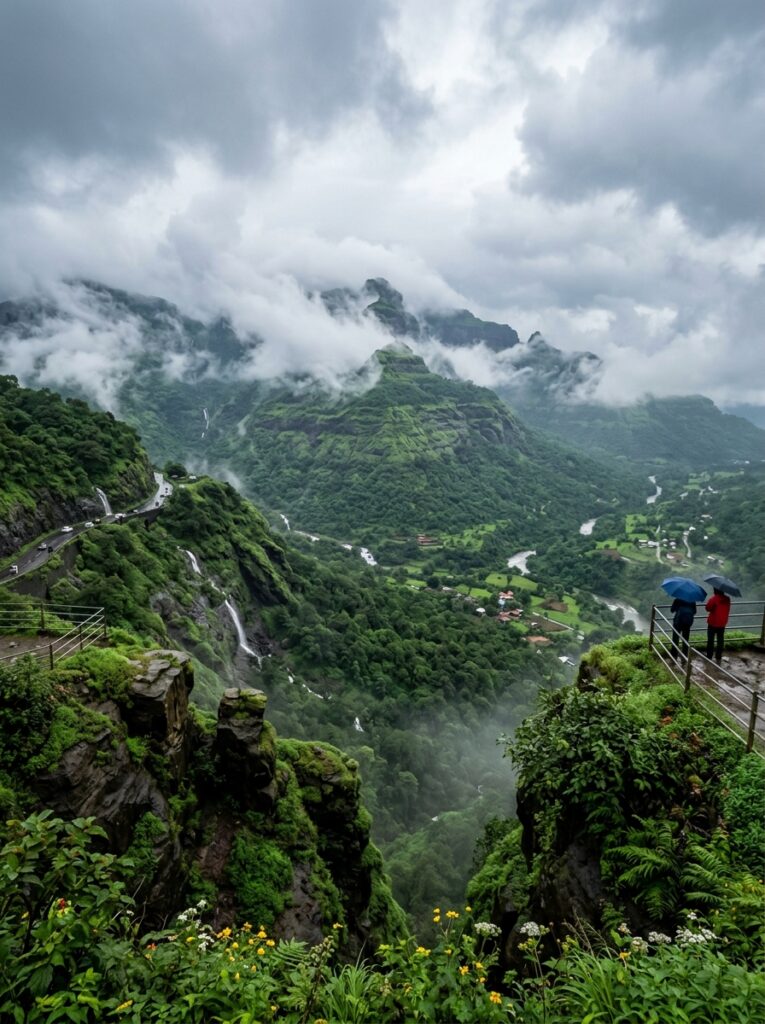
As July sets in, the Indian subcontinent undergoes a dramatic transformation. The scorching summer heat retreats, paving the way for the southwest monsoon that sweeps across the plains, valleys, and coastal regions. For some, the rains mean staying indoors, but for travelers, it is the most magical time of the year. Waterfalls swell to their full glory, hills wrap themselves in lush green carpets, and misty clouds descend to touch the valley floors. However, traveling in India during the monsoon requires careful planning. While some destinations become unbelievably beautiful, others are prone to heavy rainfall and landslides. Whether you want to escape the rain in a cold desert rain-shadow zone, chase roaring waterfalls, or relax in a cozy coffee estate stay, we have compiled the ultimate list of the 15 best places to visit in India in July. — Monsoon Destinations at a Glance Before we dive into the details, here is a quick summary of our top recommended destinations for July: Destination State Category / Vibe USP for July Best Traveler Type Valley of Flowers Uttarakhand Trekking & Adventure Peak alpine flora bloom Trekkers, Photographers Spiti Valley Himachal Pradesh Rain-Shadow Desert Sunny weather, dry roads Road-trippers, Backpackers Leh Ladakh Ladakh High-Altitude Adventure Clear skies, open passes Bikers, Adventure Seekers Udaipur Rajasthan Heritage & Lakes Pleasant breeze, full lakes Families, Honeymooners Lonavala & Khandala Maharashtra Weekend Getaway Roaring waterfalls, thick mist Friend Groups, Couples Coorg Karnataka Romantic Nature Lush coffee plantations, fog Couples, Peace Seekers Munnar Kerala Mist-Covered Hills Emerald tea gardens, waterfalls Honeymooners, Families Meghalaya Meghalaya Heavy Rain / Offbeat Wettest place, giant waterfalls Nature Lovers, Explorers Mahabaleshwar Maharashtra Hill Station Mist, viewpoints, local berries Families, Couples Pachmarhi Madhya Pradesh Nature & Peace Satpura forests, waterfalls Families, Groups Wayanad Kerala Rainforest & Trees Treehouse stays, wild nature Couples, Eco-travelers Gokarna Karnataka Coastal Vibe Quiet beaches, monsoon waves Solo Travelers, Bachelors Mount Abu Rajasthan Hill Station Nakki Lake under clouds Families, Budget Travelers Jog Falls & Shimoga Karnataka Massive Waterfalls India’s second-highest plunge Sightseers, Photographers Orchha Madhya Pradesh Heritage / Rivers Betwa River in full flow History Buffs, Families — Category 1: The Rain-Shadow Escapes (No Rain, Pure Adventure) If you dislike the rain but want to travel in July, these high-altitude cold deserts are your best options. They lie in the rain-shadow region of the Himalayas, receiving negligible rainfall. 1. Leh Ladakh: The Land of High Passes Ladakh is at its prime in July. With all mountain passes like Khardung La and Chang La open, and roads clear of snow, it is the perfect time for a road trip. The skies are clear blue, and the contrast between the barren brown mountains and the deep blue water of Pangong Lake is breathtaking. Top Highlights: Pangong Tso, Nubra Valley, Magnetic Hill, and Shanti Stupa. Pro-Tip: Spend the first 48 hours in Leh to acclimatize to the high altitude. 2. Spiti Valley, Himachal Pradesh: The Cold Desert Similar to Ladakh, Spiti is a rain-shadow region that experiences warm, pleasant days and cool nights in July. The Kaza-Manali road via Kunzum Pass opens up, allowing travelers to complete the full Spiti circuit. Top Highlights: Key Monastery, Chandratal Lake, Dhankar Fort, and Hikkim (world’s highest post office). Travel Path holiday Special: Our Spiti packages include experienced mountain drivers and comfortable homestays. — Category 2: Romantic Mist-Covered Escapes For couples and newlyweds, the monsoon brings a romantic charm to the southern hills. 3. Coorg, Karnataka: The Scotland of India Coorg transforms into an emerald paradise in July. The aroma of wet earth and coffee blossoms hangs thick in the air. Misty mornings are perfect for sipping hot filter coffee overlooking the hills. Top Highlights: Abbey Falls, Raja’s Seat, Dubare Elephant Camp, and Talakaveri. Monsoon Vibe: Staying in a luxury coffee estate bungalow surrounded by thick fog. 4. Munnar, Kerala: Greenery Beyond Limits Munnar in July is a dreamscape. The endless tea plantations are washed clean by the showers, looking brighter than ever. Waterfalls like Attukad and Lakkam cascade down the hillsides at full force. Top Highlights: Eravikulam National Park, Mattupetty Dam, and Kundala Lake. Honeymoon Special: Cozy treehouse stays with panoramic views of the misty valleys. 5. Wayanad, Kerala: Rainforest Adventure Nestled in the Western Ghats, Wayanad is famous for its dense rainforests, spice plantations, and ancient caves. The monsoon fills its lakes and makes the forest trails incredibly vibrant. Top Highlights: Banasura Sagar Dam (India’s largest earth dam), Edakkal Caves, and Chembra Peak. — Category 3: The Waterfall & Trekking Havens If you love hiking, wet trails, and watching nature unleash its power, these destinations will leave you spellbound. 6. Valley of Flowers National Park, Uttarakhand This UNESCO World Heritage Site is only open from June to October, and July is the absolute peak bloom season. The valley floor is covered with a colorful carpet of over 500 species of alpine flowers, including the rare blue poppy and Brahma kamal. Top Highlights: Trekking along the Pushpawati River, flora photography, and visiting Hemkund Sahib. Difficulty: Moderate to difficult trek of 17 km from Govindghat. 7. Lonavala & Khandala, Maharashtra For travelers living in Mumbai or Pune, the twin hill stations of Lonavala and Khandala are the ultimate weekend escape in July. The hills are alive with hundreds of temporary streams and waterfalls. Top Highlights: Bhushi Dam, Tiger’s Point, Karla Caves, and Rajmachi Fort. Vibe: Piping hot ginger tea (Adrak Chai) paired with spicy potato fritters (Kanda Bhajji) in the rain. 8. Meghalaya: The Abode of Clouds If you want to experience the true power of the monsoon, head to Meghalaya. Cherrapunji and Mawsynram receive some of the highest rainfall on earth. The waterfalls, such as Nohkalikai and Seven Sisters Falls, turn into monstrous torrents. Top Highlights: Double Decker Living Root Bridges, Mawlynnong (Asia’s cleanest village), and Dawki River. 9. Mahabaleshwar, Maharashtra Famous for its strawberry farms, Mahabaleshwar gets covered in dense fog in July. The viewpoints offer dramatic sights of clouds rising from deep valleys. Top Highlights: Arthur’s Seat, Venna Lake, and Mapro

Green tea gardens plantation hills in Munnar Kerala
Family & Leisure, Honeymoon & Romance, Seasonal & Monsoon Specials

Romantic Munnar: The Ultimate Monsoon Honeymoon Guide to Kerala’s Mist-Covered Hills

There is a unique charm to the Western Ghats when the monsoon rains arrive. In Kerala, this magic is nowhere more evident than in Munnar, a beautiful hill station situated at an altitude of 1,600 meters. Known for its rolling tea plantations, winding roads, and cool climate, Munnar transforms into a romantic, mist-draped paradise during July. For newlyweds, Munnar in the monsoon offers the ultimate setting for romance. Picture this: standing on your balcony with your partner, looking out over green valleys as clouds float into your room. The smell of fresh tea leaves, the sound of rain on the leaves, and the warmth of a fireplace make it a perfect destination for a cozy, intimate getaway. In this ultimate guide, we share why Munnar is the perfect monsoon honeymoon destination, the top romantic experiences, a customized 4-day itinerary, and how to pick the best Munnar honeymoon package for your dream trip this July. — Munnar Honeymoon: Quick Reference Guide Here is a quick overview of Munnar to help you plan your romantic escape: Parameter Details :— :— Altitude 1,600 meters (5,249 feet) Best Monsoon Months June to September Nearest Airport Cochin International Airport (COK) – 110 km (approx. 3.5 to 4 hours drive) Nearest Railway Station Aluva or Ernakulam Junction (ERS) – approx. 115 km Ideal Duration 3 to 4 Days Key Romantic Features Tea gardens, luxury treehouses, private pool villas, waterfalls, mist-capped view points — Top 5 Romantic Monsoon Experiences in Munnar Munnar in July is less about checking off tourist sights and more about enjoying the natural beauty and spending quality time together. Here are the top romantic experiences for couples: 1. Stay in a Luxury Treehouse or Private Pool Villa Munnar is home to some of India’s finest eco-resorts. For a unique experience, book a luxury treehouse nestled inside dense cardamom forests, or choose a resort with a private, temperature-controlled pool overlooking the mist-filled valley. 2. Walk Hand-in-Hand Through Lockhart Tea Estate The Lockhart Tea Estate is one of the oldest and most scenic plantations in Munnar. In July, the tea gardens are washed clean, looking incredibly green. Walking along the narrow paths with your partner while wrapped in gentle fog is a memory you will cherish forever. 3. Chase the Monsoon Waterfalls Munnar’s waterfalls are at their most dramatic in July. Visit the Attukad Waterfalls, which cascade down steep rocks and are surrounded by green hills. Other must-visit falls include Lakkam, Cheeyappara, and Valara, which are easily visible from the highway. 4. Row on Kundala Lake Kundala Lake is a quiet reservoir located 20 km from Munnar town. Rent a traditional Kashmiri Shikara boat or a pedal boat. If you get lucky, a light drizzle will create a mist over the lake, making you feel like you are floating inside a painting. 5. Spot the Nilgiri Tahr at Eravikulam National Park The Eravikulam National Park is home to the endangered Nilgiri Tahr (a wild mountain goat). The park features high-altitude grasslands that look beautiful when covered in rolling monsoon clouds. The short uphill walk to the viewpoint is refreshing and scenic. — Detailed 4-Day Munnar Monsoon Honeymoon Itinerary This 4-day itinerary is designed to offer a relaxed pace, ensuring plenty of time for romance, relaxation, and sightseeing. “`mermaid graph TD A[Day 1: Scenic Drive from Cochin to Munnar] –> B[Day 2: Tea Gardens & Lakes] B –> C[Day 3: National Park & Couple’s Spa] C –> D[Day 4: Departure back to Cochin] “` Day 1: Cochin to Munnar – The Journey Through Waterfalls Your honeymoon begins with your arrival at Cochin Airport or Ernakulam Railway Station. Our private chauffeur-driven cab will meet you and start the drive to Munnar. The Drive: The road from Cochin to Munnar is a scenic winding highway that climbs through spice gardens and pine forests. Waterfalls along the way: Stop at the majestic Cheeyappara Waterfalls and the multi-tiered Valara Waterfalls, which are located right next to the highway and look spectacular in July. Resort Check-in: Reach Munnar by afternoon. Check into your romantic resort. Honeymoon Surprise: Enjoy a complimentary flower bed decoration and a delicious honeymoon cake in your room. Evening: A private, romantic candlelight dinner set up by the resort, featuring traditional Kerala delicacies or continental favorites. Overnight Stay: Luxury resort in Munnar. Day 2: Tea Trails, Echo Point & Lake Boating After a lazy breakfast, head out to explore the scenic attractions along the Munnar-Mattupetty road. Tea Museum: Visit the Tata Tea Museum to learn how tea leaves are harvested and processed. Enjoy a hot cup of fresh cardamom tea. Mattupetty Dam & Lake: Visit the dam, which offers beautiful views of the surrounding hills. Take a speed boat or boat ride across the lake. Echo Point: Stop at this natural phenomenon, where shouting your partner’s name will echo back through the green valleys. Kundala Lake: End your afternoon with a romantic Shikara ride on the lake. Evening: Return to the resort. Sit on your balcony, enjoy the mist rolling in, and sip on warm cocoa or spiced tea. Overnight Stay: Luxury resort in Munnar. Day 3: Eravikulam National Park & Couple’s Massage Dedicate your third day to nature exploration and wellness. Morning: Visit Eravikulam National Park (Rajamalai). Board the park bus that takes you high up the mountain slopes. Walk along the paved trail, spot the friendly Nilgiri Tahr, and take pictures amidst the clouds. Lakkam Waterfalls: Located close to the park, this waterfall is surrounded by thick bamboo groves. It is a quiet, romantic spot to sit and relax. Afternoon Rejuvenation: Head back to the resort or visit a premium Ayurvedic center for a Couple’s Ayurvedic Massage. The monsoon season is considered the best time for Ayurveda in Kerala, as the cool climate helps the body absorb the oils better. Overnight Stay: Luxury resort in Munnar. Day 4: Spice Shopping & Return to Cochin Enjoy a final breakfast with a view of the misty hills. Check out of your hotel and start the return drive

Adventure, Trekking & Road Trips, Family & Leisure, Honeymoon & Romance, Seasonal & Monsoon Specials

Why Goa in July is a Budget Traveler’s Paradise: Off-Season Deals & Hidden Waterfalls

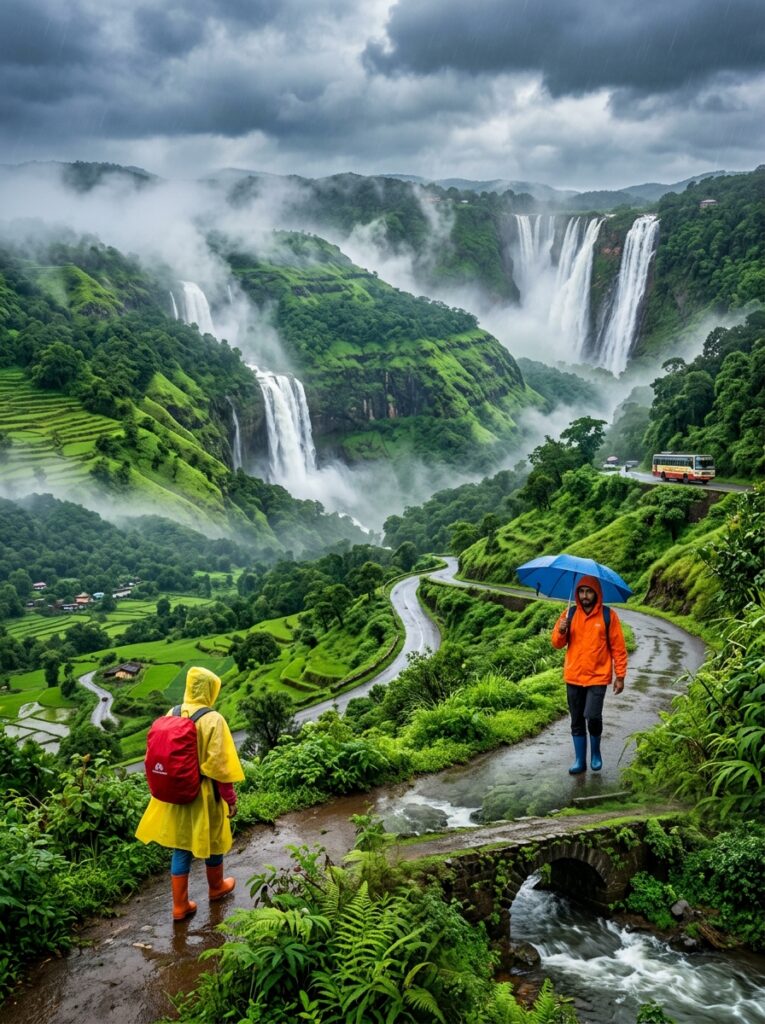
When most people think of Goa, they picture crowded beaches, sunbathing, loud beach shacks, and vibrant winter nightlife. But if you visit Goa in July, you will experience an entirely different world. The party crowd disappears, the sunbeds are packed away, and the entire state is draped in a beautiful, green tropical canopy. July is the heart of the monsoon in Goa, and it is a budget traveler’s paradise. With luxury hotels slash their prices by up to 60%, empty beaches that feel like private sanctuaries, and the Western Ghats coming alive with rushing waterfalls, Goa in monsoon is an experience you do not want to miss. In this guide, we will share why Goa in July should be your next travel destination, the best waterfalls to explore, budget hacks, and how to get the best out of a Goa monsoon package. — Peak Season vs. Monsoon Season in Goa: A Comparison Is a monsoon trip to Goa right for you? Let’s look at how the seasons compare: Feature Peak Season (Nov – Feb) Monsoon Season (June – Sept) :— :— :— Hotel Prices Very High (Double or triple rates) Extremely Low (50% to 70% discounts) Beach Atmosphere Crowded, loud, commercialized Quiet, serene, clean, uncrowded Water Sports Fully Operational Suspended due to rough sea conditions Ocean Swimming Safe and popular Strictly prohibited due to strong currents Natural Beauty Dry, dusty palms Lush green forests, active waterfalls Sightseeing Hot and sunny Cool, refreshing, light rain showers — Breathtaking Monsoon Waterfalls in Goa While the beaches take a backseat in July, Goa’s rivers and waterfalls steal the spotlight. Here are the top waterfalls to explore during your July visit: 1. Dudhsagar Waterfalls Dudhsagar (literally meaning “Sea of Milk”) is one of India’s tallest waterfalls, cascading down a height of 310 meters. Located on the Mandovi River inside the Bhagwan Mahavir Wildlife Sanctuary, this four-tiered waterfall looks spectacular when the train passes over the bridge right in front of the falls. Monsoon Access: The standard jeep safari trails are closed during heavy rains. However, you can take a scenic train ride to Castle Rock or Kulem and trek along the tracks, or view it from a distance via organized monsoon treks. 2. Tambdi Surla Waterfall Deep inside the Bhagwan Mahavir Wildlife Sanctuary lies the Tambdi Surla waterfall. Reaching this waterfall requires a trek through dense, green rainforests, crossing small streams along the way. The Temple: The base of the trek features the famous Tambdi Surla Temple, a 12th-century stone temple dedicated to Lord Shiva. It is the only surviving structure of the Kadamba dynasty in Goa. 3. Harvalem Waterfalls Located in North Goa near Sanquelim, Harvalem is a beautiful, easily accessible waterfall that drops from a height of 50 meters into a large pool. Side Trips: Combine your visit with a trip to the historic Aravalem Caves (carved by Buddhist monks in the 6th century) and the Rudreshwar Temple, which are located nearby. 4. Netravali & Savri Waterfalls Located in Sanguem (South Goa), the Netravali Wildlife Sanctuary is home to several hidden waterfalls. The Savri waterfall is a double-step waterfall surrounded by dense foliage. Attraction: Visit the nearby *Tanshikar Spice Farm* for a traditional Goan buffet lunch and check out the *Bubbling Lake* (Netravali Bubble Pond), where natural gas bubbles rise to the surface when you clap. — 4-Day Goa Monsoon Itinerary Here is a balanced 4-day itinerary designed to show you the best of Goa’s beaches, culture, and waterfalls in July. “`mermaid graph TD A[Day 1: Heritage & Old Goa] –> B[Day 2: Waterfalls & Spice Farms] B –> C[Day 3: Forts & South Goa Beaches] C –> D[Day 4: Panaji Cafes & Departure] “` Day 1: Portuguese Heritage & Historic Churches Arrive at Manohar International Airport (Mopa) or Dabolim Airport. Rent a car or scooter right at the airport and head to your resort. Afternoon: Visit Fontainhas, the Latin Quarter of Panaji. Walk past brightly colored Portuguese-style houses with tiled roofs, wooden balconies, and narrow streets that look like a European town in the rain. Old Goa: Visit the UNESCO World Heritage site of the Basilica of Bom Jesus (where the mortal remains of St. Francis Xavier are kept) and the towering Se Cathedral. Evening: Enjoy a relaxing dinner at a cozy indoor cafe in Panaji, tasting traditional Goan fish curry and *poee* (local bread). Day 2: Waterfall Trek & Traditional Spice Plantation Dedicate today to exploring the lush green interior of Goa. Morning: Take an organized trek to Tambdi Surla Waterfall. Walk under the canopy of giant trees, listen to the calls of forest birds, and admire the ancient stone temple. Lunch: Visit a nearby spice plantation. Take a guided walk to learn how black pepper, cardamom, vanilla, and nutmeg are grown. Enjoy a buffet lunch served on banana leaves, accompanied by fresh *Feni* (Goa’s local cashew/coconut liquor). Overnight Stay: Beach resort in Candolim or Benaulim. Day 3: Cliffside Forts & Empty South Goa Beaches The monsoon is the perfect time to explore Goa’s ancient forts, which offer panoramic views of the roaring ocean. Cabo de Rama Fort: Located in South Goa, this fort is built on a high cliff overlooking the sea. In July, the cliffs are covered in bright green grass, contrasting with the dark blue waves crashing below. Agonda & Palolem Beach: Head to the quiet beaches of South Goa. While you cannot swim, walking along the wide, empty shores of Palolem or Agonda with a light sea breeze and drizzle is incredibly relaxing. Overnight Stay: Resort in South Goa. Day 4: Cafe Hopping & Departure Spend your last morning shopping for local goods and enjoying Goa’s modern culinary scene. Shopping: Buy cashew nuts, local spices, bebinca (a traditional Goan multi-layered cake), and handcrafted pottery in Panaji. Afternoon: Enjoy lunch at a cliffside cafe in Anjuna or Vagator, watching the rain wash over the rocky coast. Transfer to the airport for your return flight. — Budget Travel Hacks for Goa in July To make your trip

Family & Leisure, Honeymoon & Romance, Seasonal & Monsoon Specials

Escape the Heat: Top 10 Monsoon Weekend Getaways from Indore

Indore, the commercial capital of Madhya Pradesh, is famous for its clean streets, rich history, and world-class street food. However, by the time July arrives, the summer heat makes way for the refreshing monsoon showers. The surrounding Malwa plateau undergoes a magical transformation. Dusty hills turn a vibrant emerald green, dry riverbeds swell with rushing water, and misty clouds descend upon ancient forts and deep valleys. For Indoris, the arrival of the monsoon is an invitation to pack their bags and head out. Whether you want to explore ancient historical monuments draped in rain, trek through dense forests to hidden waterfalls, or simply sit on a hillock sipping hot cutting chai and eating spicy *bhutta* (roasted corn), the areas surrounding Indore offer incredible weekend escapes. In this guide, we present the top 10 monsoon weekend getaways from Indore that are perfect for families, couples, and groups of friends looking to escape the city this July. — At a Glance: Best Monsoon Trips Near Indore Here is a summary of the best monsoon destinations around Indore, sorted by proximity: Destination Distance from Indore Major Monsoon Attraction Ideal Duration Perfect For :— :— :— :— :— Gulawat Lotus Valley 25 km Lotus blooms, bamboo canopy walks Half Day Families, Couples Ralamandal Sanctuary 15 km Green hiking trails, city viewpoints Half Day Nature lovers, Trekkers Patalpani Waterfalls 35 km 300-ft waterfall, scenic railway track 1 Day Friends, Photographers Tincha Falls 25 km Horseshoe canyon waterfall 1 Day Picnic groups, Friends Janapav Kuti 45 km Highest point of Malwa, mist-covered valley 1 Day Trekking, Spiritual seekers Chidiya Bhadak 55 km Offbeat rock valley, forest streams 1 Day Adventure lovers, Youth Mandu (Mandav) 95 km Jahaz Mahal, Rani Roopmati Pavilion 1–2 Days History buffs, Couples Maheshwar 95 km Ahilya Fort, boat rides on the Narmada 1–2 Days Culture & heritage lovers Omkareshwar 80 km Jyotirlinga temple, gushing river vistas 1 Day Families, Spiritual groups Sailani Island 80 km Narmada backwaters, luxury cottage stays 2 Days Luxury travelers, Families — Detailed Breakdown: Top 10 Indore Monsoon Getaways 1. Mandu (The Ancient City of Joy) Located about 95 km from Indore, Mandu is perhaps the most iconic monsoon destination in Central India. Built on a rocky outcrop of the Vindhya Range, this ruined city comes alive under grey rain clouds. The monsoon highlights the architectural beauty of its massive stone palaces and artificial lakes. Key Highlights: Jahaz Mahal (Ship Palace): Designed to look like a ship floating between two lakes (Kapur Talao and Munj Talao), this structure is beautiful when the reservoirs are filled to the brim. Rani Roopmati Pavilion: Situated on a cliffside, it offers views of the winding Narmada River valley below, especially when covered in rolling mist. Baz Bahadur’s Palace: An elegant blend of Rajasthani and Mughal architecture with wide courtyards that capture the monsoon breeze. Monsoon Treat: Try the local *Imli* (tamarind) and buy the giant fruit of the Baobab trees (*Khorasani Imli*), which are unique to Mandu. 2. Patalpani Waterfalls Patalpani is one of the oldest and most popular picnic spots near Indore. The waterfall drops from a height of approximately 300 feet into a deep, rocky gorge. During the peak monsoon in July, the water volume increases dramatically, creating a roar that can be heard from miles away. Key Highlights: Walk along the historic heritage railway line (the Mhow-Patalpani meter gauge track), capture photographs of the misty valley, and watch the train slowly cross the bridge amidst green hills. Travel Tip: Enjoy hot roasted corn (*bhutta*) seasoned with lemon juice and salt from the local vendors lining the viewpoint. 3. Tincha Falls Located close to the city, Tincha Falls is a massive 300-foot waterfall that resembles a curtain of milk cascading down a giant rock wall. The waterfall is unique because it splits into multiple streams that drop into a deep gorge. Key Highlights: The surrounding area is covered in farmland and green pastures, making it a great spot for a weekend drive. You can hike to the opposite side of the canyon for a panoramic view of the falls. 4. Janapav Kuti Situated on the Indore-Mumbai highway near Mhow, Janapav Kuti is the highest peak in the Malwa region (881 meters above sea level). According to Hindu mythology, it is the birthplace of Lord Parshuram and is home to the ashram of Rishi Jamadagni. Key Highlights: The drive up the winding hill road is breathtaking, with clouds often descending right onto the asphalt. At the peak, you will find a temple and a viewpoint offering 360-degree views of the mist-laden Vindhyachal mountains. It is also the source of the Chambal River. Trek: For the active traveler, there are short trekking trails leading down into the forests. 5. Maheshwar Maheshwar is a historical town on the banks of the sacred Narmada River. Famous for its gorgeous stone ghats, the magnificent Ahilya Fort, and the world-renowned Maheshwari handloom sarees, this town offers a peaceful, cultural retreat during the monsoon. Key Highlights: Narmada Ghat: Sit on the steps of the massive stone ghats and watch the swollen, gushing river flow past. Ahilya Fort: Tour the palace-turned-heritage hotel, walk through the courtyards, and see the handloom weaving centers. Boating: Take a traditional wooden boat ride on the river during a light drizzle to see the fort from the water. 6. Gulawat Lotus Valley (Gulawat Valley) Located just 25 km from Indore, Gulawat is a hidden gem that has become a viral sensation. It is a massive valley surrounding a backwater lake of the Yashwant Sagar dam, completely covered in thousands of pink lotus flowers. Key Highlights: Walk through the dense bamboo forests that line the lake, take a boat ride through the lotus fields, and cross the wooden suspension bridge. The atmosphere is quiet, serene, and incredibly romantic in July. 7. Ralamandal Wildlife Sanctuary If you want a quick escape without driving far, Ralamandal is located within the municipal limits of Indore. It is the oldest sanctuary in Madhya Pradesh and home to

Romantic honeymoon couple holiday destination scenery
Family & Leisure, Honeymoon & Romance

Andaman Honeymoon Package: Ultimate 6-Day Romantic Itinerary

If you are dreaming of walking hand-in-hand along pristine white sands, watching golden sunsets over turquoise waters, and dining under a canopy of stars next to the ocean, you dont need to spend lakhs on flights to Bali, the Maldives, or Bora Bora. Nestled in the Bay of Bengal, the Andaman and Nicobar Islands offer a world-class tropical paradise right here in India. With some of the cleanest beaches in Asia, lush green forests, and premium beach resorts, Andaman is the ultimate destination for couples seeking a perfect blend of romance and adventure. In this guide, we will share why Andaman is the perfect choice for your first trip together, along with a detailed 6-Day Andaman honeymoon package itinerary that you can customize for your dream escape. — Andaman 6-Day Honeymoon Itinerary Summary Day Destination Romantic Highlights Stay Day 1 Port Blair Cellular Jail Light & Sound Show, Rooftop Sea-View Dinner Port Blair Day 2 Havelock Island Private Ferry Cruise, Sunset at Radhanagar Beach (Asia’s Best) Havelock Beach Resort Day 3 Havelock Island Elephant Beach Water Sports, Romantic Couple Photoshoot Havelock Beach Resort Day 4 Neil Island Howrah Bridge (Natural Bridge), Sunset at Laxmanpur Beach Neil Island Resort Day 5 Port Blair Cruise back to Port Blair, Private Candlelit Dinner on the Beach Port Blair Day 6 Departure Souvenir Shopping, Departure flight – — Detailed Day-by-Day Honeymoon Itinerary Day 1: Arrive in Port Blair“ Historic Beginning & Rooftop Dinner Your honeymoon starts as you touch down at Veer Savarkar International Airport in Port Blair. Our representative will greet you at the airport and transfer you to your hotel. — Day 2: Port Blair to Havelock Island “Asia’s Best Sunset” After an early breakfast, check out of your hotel and head to the harbor to board a luxury private catamaran (like Makruzz or Nautika) to Havelock Island (Swaraj Dweep). The cruise takes about 1.5 to 2 hours, offering beautiful ocean views along the way. — Day 3: Elephant Beach – Marine Life & Snorkeling Adventure Today is all about exploring the rich coral reefs and underwater life of Havelock Island. IMPORTANT: > Honeymoon Special: On this evening, we arrange a complimentary bed decoration with fresh tropical flowers and a delicious honeymoon cake in your resort suite to make your stay extra memorable. — Day 4: Havelock to Neil Island – The Quiet Sanctuary After breakfast, board a morning ferry to Neil Island (Shaheed Dweep). Neil is smaller, quieter, and less touristy than Havelock, offering a relaxed and intimate atmosphere for couples. — Day 5: Neil Island to Port Blair – The Ultimate Candlelit Dinner Enjoy a lazy morning at your resort. After checking out, board the afternoon cruise back to Port Blair. — Day 6: Departure from Port Blair Enjoy a hearty breakfast at your hotel. Depending on your flight timing, checkout and transfer to the airport. Wave goodbye to the islands as you board your flight home, carrying a lifetime of romantic memories. — Why Andaman is Perfect for Honeymoons (Compared to Other Beach Destinations) If you are deciding between Goa, Kerala, and Andaman, here is why Andaman stands out: 1. Unmatched Cleanliness: The beaches of Havelock and Neil Island are far cleaner, quieter, and more pristine than those in Goa or international hubs. 2. Top-Tier Marine Life: Andaman offers some of the best scuba diving and snorkeling visibility in South Asia. 3. No Visa Hassles: Unlike the Maldives or Bali, Indian travelers do not need a passport or visa to visit Andaman. It’s easy, cost-effective, and fast to book. 4. Romantic Exclusivity: Unlike crowded tourist hotspots, Andaman’s resorts are designed to offer privacy, peace, and intimate beach access. — Make Your Honeymoon Extra Special with Travel Path holiday Planning your first trip together should be exciting, not stressful. At Travel Path holiday, we specialize in designing custom Andaman honeymoon packages that include all the little details that make a trip romantic: Get Your Free Andaman Honeymoon Quote Today! Let us create an itinerary that fits your dreams and budget. Chat with a Honeymoon Planner on WhatsApp Get a Free Customized Quote Online

You have been successfully Subscribed! Ops! Something went wrong, please try again.

About Us

Travel Path Holiday is a full-service travel company dedicated to delivering seamless, personalized, and memorable travel experiences. We specialize in crafting customized journeys for both corporate and leisure travelers, ensuring every trip is stress-free and enjoyable.

Destinations

Kashmir

Manali

Leh-Ladakh

Nepal

Bhutan

Blog

  • All Post
  • Adventure, Trekking & Road Trips
  • Andaman
  • Bali Honeymoon
  • Bhutan Honeymoon
  • Dubai Honeymoon
  • Family & Leisure
  • Goa Honeymoon
  • Gujarat
  • Himachal Honeymoon
  • Himachal Pradesh
  • Honeymoon & Romance
  • India Travel Guides
  • Kashmir Honeymoon
  • Kerala Honeymoon
  • Nepal Honeymoon
  • Rajasthan Honeymoon
  • Seasonal & Monsoon Specials
  • Sikkim & Northeast
  • Singapore Honeymoon
  • Spiritual & Pilgrimage
  • Thailand
  • Tour Packages & Guides
  • Uttarakhand Honeymoon

Travel Path Holiday, Indore | © 2026 Travel Path Holiday. All Rights Reserved. | Website crafted by Amit Nayak, India

Scroll to Top